Home & Garden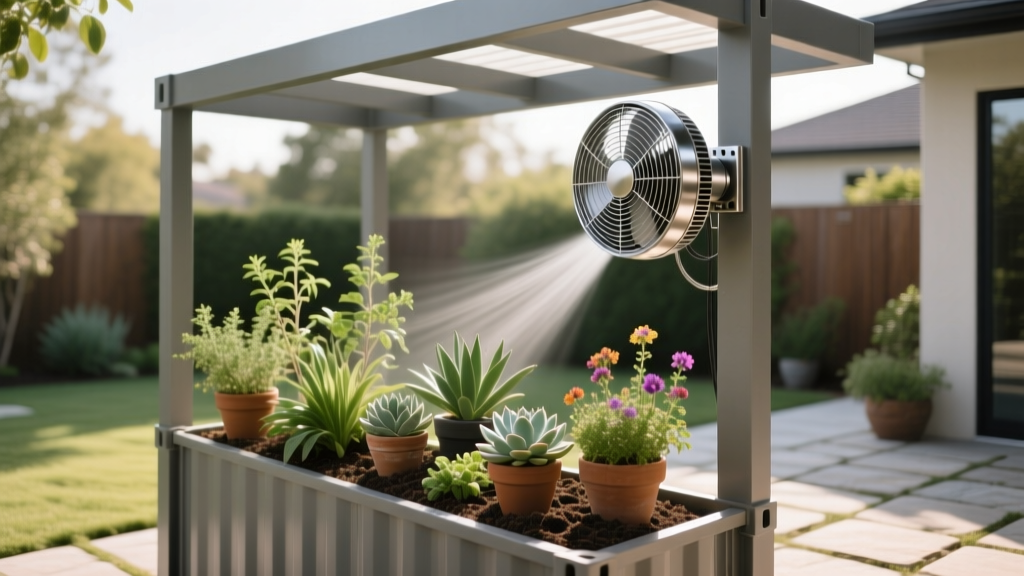
2026 Pergola Fan Mounts: Attached vs Freestanding Container Gardens
David ParkPublished
The Evolution of the Pergola Fan Mount in 2026
As we navigate the 2026 outdoor living season, the intersection of hardscaping and container gardening has never been more nuanced. Homeowners are no longer just placing a few terracotta pots on a patio; they are engineering complete microclimates. At the center of this trend is the pergola with a dedicated ceiling fan mount. Whether you are designing an attached pergola that extends from your home's exterior wall or a freestanding structure positioned as a garden island, the structural choices you make directly dictate your container gardening strategy. The presence of a ceiling fan introduces dynamic air currents, weight loads, and shade patterns that profoundly affect potted soil moisture, plant selection, and planter placement.
Understanding the difference between attached and freestanding pergolas is the first step in mastering this unique growing environment. An attached pergola relies on a ledger board bolted directly to your home's framing, utilizing the house as a primary support beam. A freestanding pergola, conversely, requires four or more independent posts set deep into concrete footings to support the entire roof load. When you introduce a fan mount—a reinforced electrical junction box and a dual-joist crossbeam designed to handle the dynamic torque and weight of a modern outdoor ceiling fan—the structural behavior of these two pergola types diverges significantly. This divergence creates distinct challenges and opportunities for the avid container gardener.
Structural Realities: Attached vs. Freestanding
When planning a container garden beneath a pergola, you must first consider the structural sway and load-bearing realities of the roof above. Freestanding pergolas are subject to lateral wind loads from all directions. Even with proper cross-bracing, a freestanding structure will experience microscopic swaying during high winds. If you are utilizing the pergola's crossbeams to hang heavy, soil-filled baskets near the fan mount, this sway can cause the hanging chains to grind against the wood or metal joists, leading to premature hardware failure. Furthermore, the fan mount itself requires a static, highly stable crossbeam to prevent the fan from wobbling when operating at high speeds.
Attached pergolas, anchored to the rigid framing of your house, experience virtually no lateral sway on the ledger side. This makes the beams closest to the house ideal for suspending heavy hanging planters, provided they are not mounted directly onto the fan-support joists. However, the attached side also introduces a unique thermal dynamic: the exterior wall of your home absorbs and radiates heat, creating a localized convection current that interacts with the downdraft generated by your ceiling fan. This thermal interaction heavily influences which potted plants will thrive in the transition zone between the house wall and the pergola's outer edge.
The Microclimate Effect: Fans, Downdrafts, and Potted Soil
The addition of a ceiling fan to a pergola is not merely a comfort feature; it is a climate-altering device. Modern 2026 smart fans, equipped with high-torque DC motors and expansive aerodynamic blades, generate significant downdrafts. This constant circulation of air accelerates the rate of evaporation from exposed potting soil. According to horticultural experts at the University of Minnesota Extension, container plants already lose moisture faster than in-ground plants due to their exposed root zones; adding a continuous artificial breeze exacerbates this effect dramatically.
For the container gardener, this means that pots placed directly in the fan's primary downdraft zone will require significantly more frequent watering. The soil surface can dry out and form a hydrophobic crust, preventing water from penetrating to the root ball during manual watering sessions. To combat this, gardeners in 2026 are increasingly turning to self-watering resin planters with integrated reservoirs, or utilizing heavy mulches like decorative river stones over the soil surface to lock in moisture against the fan's drying winds.
Container Strategies for Attached Pergolas
Attached pergolas offer a built-in backdrop that is perfect for tiered container arrangements. Because one side of the pergola is bounded by your home, you can utilize the wall for vertical gardening and wall-mounted pocket planters. The corner where the house meets the pergola post is often the most sheltered spot from the fan's direct downdraft, making it an ideal microclimate for humidity-loving tropicals like Boston Ferns, Caladiums, and Peace Lilies.
However, you must account for reflected heat. If your home's siding is dark-colored or made of heat-absorbing materials like brick or stucco, the afternoon sun can bake the wall-adjacent containers. In these scenarios, avoid using thin plastic pots that can warp or transfer heat to the roots. Instead, opt for thick-walled glazed ceramic or insulated fiberglass planters. Plant heat-tolerant species like Lantana, Bougainvillea, or trailing Rosemary on the outer, sun-drenched perimeter of the attached pergola, allowing them to cascade over the edges of the pots without interfering with the overhead fan blades.
Container Strategies for Freestanding Pergolas
A freestanding pergola acts as an island in your landscape, exposed to 360 degrees of sunlight and ambient wind. The container garden here must serve a dual purpose: providing lush greenery while visually and physically anchoring the structure to the earth. Because the fan mount is typically located in the exact center of a freestanding pergola, the central seating area will experience the most intense downdraft and the deepest shade.
Use large, heavy architectural planters—such as cast stone or poured concrete—to define the four corners of the freestanding pergola. These massive pots act as visual anchors and can support dwarf ornamental trees, such as Italian Olive trees or Japanese Maples, which draw the eye upward toward the pergola roof. Beneath the central fan mount, where the downdraft is strongest and the shade is most consistent, utilize wide, shallow bowl planters filled with shade-tolerant succulents or trailing Ivy. The shallow soil profile dries more evenly under the fan's breeze, preventing the root rot that can occur in deep pots that remain perpetually shaded and damp.
Hanging Baskets vs. Floor Planters Near Fan Mounts
A critical safety and aesthetic consideration in 2026 pergola design is the placement of hanging baskets near the fan mount. It is highly discouraged to hang heavy, wet soil baskets from the same crossbeam that supports the ceiling fan. The dynamic vibration of the fan can loosen the lag bolts securing the hanging basket hooks, creating a severe safety hazard. Furthermore, trailing vines from hanging baskets can easily grow long enough to be caught in the fan blades, damaging both the plant and the motor.
Instead of hanging baskets, embrace the use of tall, slender floor planters. Columnar planters placed strategically around the perimeter of the fan's airflow zone provide the vertical greenery and height variation that hanging baskets offer, without the structural risks. If you must hang plants, use lightweight, empty-cache-pot designs and plant them with ultra-lightweight sphagnum moss and air plants (Tillandsia), which require minimal soil mass and pose less risk if dislodged.
Comparison Table: Attached vs. Freestanding Pergola Container Setups
| Feature | Attached Pergola | Freestanding Pergola |
|---|---|---|
| Sun Exposure | Directional; shaded by house on one side | 360-degree exposure; central shade only |
| Fan Downdraft Impact | Deflected by house wall; creates corner eddies | Unobstructed vertical column; dries center pots fast |
| Hanging Pot Safety | High near ledger board; avoid fan joist | Low; structural sway increases hardware fatigue |
| Best Container Types | Insulated resin, wall-mounted pockets, tiered stands | Heavy cast stone anchors, wide shallow bowls, tall columns |
| Ideal Plant Selection | Heat-tolerant outer edge; tropicals near the wall | Dwarf trees for corners; shade-tolerant groundcovers center |
Smart Irrigation & Soil Selection for 2026
Because the ceiling fan dramatically alters the evaporation rate of your container garden, relying on manual watering is no longer sufficient for maintaining optimal plant health. The EPA WaterSense program strongly advocates for the use of smart, weather-based irrigation controllers to eliminate water waste. In 2026, integrating a smart drip irrigation system directly into your pergola's container layout is essential. By running micro-tubing up the pergola posts and along the crossbeams, you can deliver precise, slow-drip hydration directly to the root zone of each pot, bypassing the drying effects of the fan's downdraft and preventing water from splashing onto your outdoor furniture below.
Soil selection is equally critical. Standard garden soil or heavy topsoil will compact under the constant airflow and frequent watering required in a pergola environment. Instead, formulate a custom container mix utilizing high-quality peat or coco coir, blended with generous amounts of perlite and horticultural charcoal. This ensures rapid drainage while maintaining the necessary moisture-holding capacity. Adding a layer of decorative gravel or living moss over the top of the soil acts as a physical barrier against the fan's wind, locking in humidity at the soil surface and keeping the roots cool during the peak of the summer season.
Conclusion
Designing a container garden beneath a pergola with a fan mount requires a delicate balance of structural awareness and horticultural science. Whether you choose the rigid, heat-reflecting environment of an attached pergola or the exposed, 360-degree canvas of a freestanding structure, the ceiling fan will be the defining element of your microclimate. By selecting the right planter materials, respecting the structural limits of the fan mount crossbeams, and implementing smart drip irrigation to counteract accelerated evaporation, you can cultivate a thriving, lush potted oasis that perfectly complements your outdoor living space in 2026 and beyond.
