Lawn Care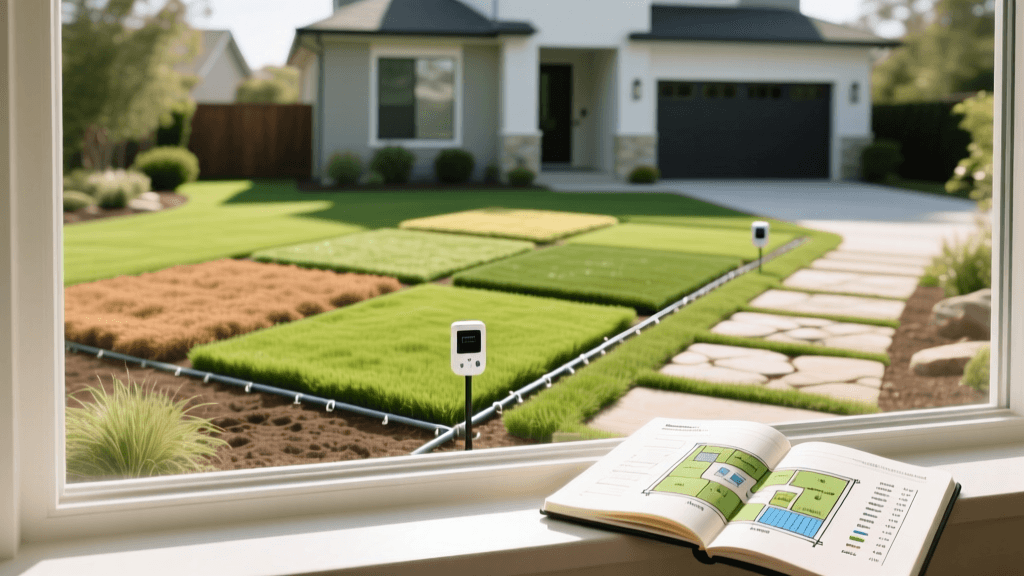
How To Plan Lawn Zones For Water Efficiency And Curb Appeal
The Art and Science of Hydrozoning
When planning a new lawn or renovating an existing landscape, treating your entire yard as a single, uniform entity is a recipe for wasted water, struggling grass, and inflated utility bills. The most effective approach to landscape design is a concept known as hydrozoning. According to the EPA WaterSense program, grouping plants and turfgrass with similar water requirements together can reduce outdoor water use by up to 50 percent. By strategically planning your lawn zones, you not only conserve a vital natural resource but also create a dynamic, visually appealing landscape that thrives in its specific environment.
Designing lawn zones for water efficiency and aesthetics requires a blend of environmental observation, turfgrass science, and irrigation planning. Whether you are working with a sprawling suburban lot or a compact urban courtyard, this comprehensive planning guide will walk you through the exact steps to design a resilient, low-maintenance, and beautiful lawn.
Step 1: Assessing Your Yard's Microclimates
Before drawing a single line on your landscape plan, you must understand the microclimates within your yard. A microclimate is a localized area where the climate differs from the surrounding region due to factors like sunlight, wind exposure, soil composition, and topography.
- Sunlight Mapping: Spend a weekend tracking sunlight patterns. Note which areas receive full sun (6+ hours of direct light), partial shade (3-6 hours), and deep shade (under 3 hours). South and west-facing slopes will dry out much faster than north-facing slopes.
- Soil Testing and Topography: Order a soil test from your local university extension office to determine pH and organic matter content. Clay soils hold water longer but drain poorly, while sandy soils drain rapidly and require more frequent irrigation. Additionally, observe how water flows during a heavy rainstorm. Low spots will naturally collect water, creating ideal zones for moisture-loving plants, while elevated berms will dry out quickly.
- Wind and Hardscape Heat: Areas adjacent to concrete driveways, brick walls, or southern exposures absorb and radiate heat, increasing the evapotranspiration rate of the turfgrass directly above them.
Step 2: Defining Your Hydrozones
Hydrozoning is the practice of grouping plants and turf with identical water needs into specific irrigation zones. The University of California Agriculture and Natural Resources division emphasizes that hydrozoning prevents the common mistake of overwatering drought-tolerant plants just to keep a small patch of thirsty turf alive nearby.
When planning your layout, divide your property into three distinct hydrozones:
| Zone Type | Location & Purpose | Recommended Turf/Plants | Water Needs | Est. Maintenance Cost |
|---|---|---|---|---|
| Oasis (High) | Central play areas, entryways, patios | Kentucky Bluegrass, Tall Fescue | 1.0 to 1.5 inches/week | High (Mowing, fertilizing) |
| Transition (Moderate) | Side yards, buffer strips, open lawn areas | Zoysia, Fine Fescue, Buffalograss | 0.5 to 1.0 inch/week | Moderate (Occasional mowing) |
| Perimeter (Low) | Property edges, steep slopes, shade strips | Creeping Thyme, Mondo Grass, Gravel | Rainfall only / Deep soak monthly | Low (Seasonal weeding) |
Step 3: Selecting the Right Turfgrass for Each Zone
Choosing the correct turfgrass cultivar is the cornerstone of lawn planning. Do not plant a high-maintenance grass in a low-water zone, and avoid planting shade-intolerant grass beneath mature oak trees.
High-Use Oasis Zones
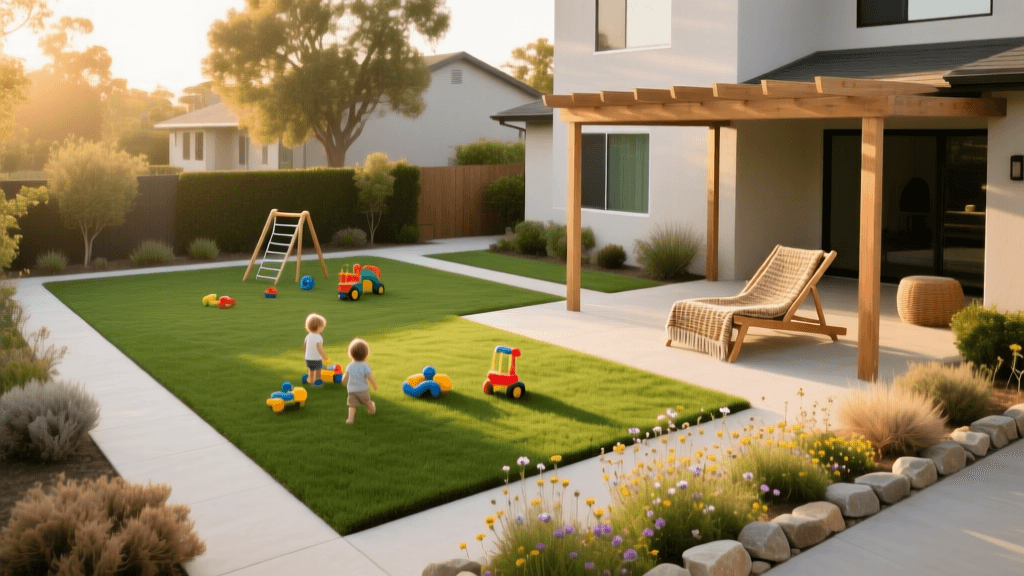
These are the areas where children and pets play, or the primary focal point viewed from the street. You want a dense, lush, and traffic-tolerant turf. For cool-season regions, 'Midnight' or 'Award' Kentucky Bluegrass offers exceptional density and dark green color. In warm-season regions, 'TifTuf' Bermudagrass provides incredible wear tolerance while using up to 38% less water than older Bermuda cultivars. Plan to install these zones on high-quality, well-amended topsoil to support their vigorous growth habits.
Transition and Moderate Zones
These areas are viewed frequently but endure less foot traffic. This is the perfect place for water-wise grasses. 'Zeon' or 'Geo' Zoysia are outstanding warm-season choices that require significantly less nitrogen and water than Bermuda or St. Augustine. For cool-season transition zones, consider a blend of Fine Fescues (Creeping Red, Chewings, and Hard Fescue). Fine Fescues thrive in partial shade, require minimal fertilization, and can be left unmowed for a beautiful, meadow-like aesthetic that saves time and gasoline.
Low-Water Perimeter Zones
Property lines, steep hillsides, and narrow strips between the house and the fence are notorious for being difficult to mow and irrigate. Replace turf in these areas entirely. As recommended by Colorado State University Extension, utilizing xeriscaping principles in perimeter zones drastically cuts landscape water use. Substitute grass with drought-tolerant groundcovers like creeping thyme, sedum, or dwarf mondo grass, or utilize decorative river rock and native ornamental grasses.
Step 4: Integrating Hardscapes and Buffer Strips
A well-planned lawn design relies heavily on the spaces between the grass. Hardscapes and buffer strips act as visual anchors and functional barriers that prevent turf from encroaching on garden beds.
A successful landscape design uses hardscapes not just as walkways, but as thermal breaks and water-management tools that protect the integrity of your turf zones.
When planning paths and patios, consider permeable pavers or decomposed granite. These materials allow rainwater to percolate into the soil below, recharging the groundwater rather than running off into storm drains. To separate your Oasis Zone from your garden beds, install steel or heavy-duty poly edging at least 6 inches deep. This prevents aggressive rhizomatous grasses like Kentucky Bluegrass and Bermudagrass from invading your low-water planting beds. Furthermore, create mulch rings around all trees. Keep turfgrass at least 3 feet away from the base of tree trunks to prevent mower damage and competition for water and nutrients.
Step 5: Planning Your Irrigation System by Zone
Your landscape design is only as efficient as the irrigation system that supports it. Never mix spray heads and drip irrigation on the same valve. Each hydrozone must have its own dedicated irrigation valve and piping network.
- Oasis Zones: Equip these areas with high-efficiency rotary nozzles (such as MP Rotators). Unlike traditional misting spray heads that lose up to 30% of water to wind drift and evaporation, rotary nozzles apply water slowly and evenly, allowing clay soils time to absorb the moisture. Budget approximately $8 to $12 per nozzle for the upgrade.
- Transition Zones: Subsurface drip irrigation is highly effective here, especially for Zoysia or ornamental beds. Drip lines deliver water directly to the root zone, eliminating surface evaporation and suppressing weed germination on the soil surface.
- The Brain of the Operation: Cap your system design with a Weather-Based Smart Irrigation Controller (WBIC). Brands like Rachio or Hunter offer Wi-Fi-enabled controllers that adjust watering schedules based on real-time local weather data, soil moisture levels, and evapotranspiration rates. Expect to invest between $150 and $300 for the hardware, a cost that typically pays for itself in water savings within the first two summers.
Conclusion
Planning lawn zones for water efficiency and curb appeal is a strategic process that pays dividends for decades. By mapping your microclimates, implementing strict hydrozoning, selecting the right turfgrass cultivars, and pairing them with smart irrigation technology, you create a landscape that is as resilient as it is beautiful. Take the time to draft a detailed scale plan before breaking ground, and your lawn will not only survive the peak of summer but will thrive while keeping your water bills firmly under control.