
Landscaping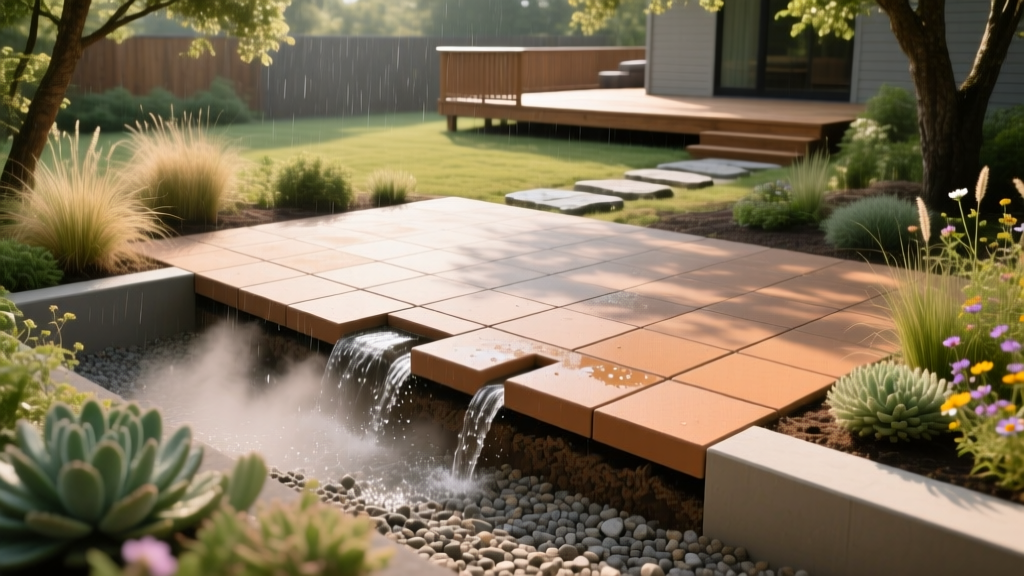
How to Plan a Permeable Paver Patio for Better Drainage
Sarah ChenPublished
Why Choose a Permeable Paver Patio?
When planning an outdoor living space, managing stormwater runoff is often an afterthought. However, traditional concrete slabs and solid patios can exacerbate yard flooding, erode garden beds, and overwhelm municipal sewer systems. Enter the permeable paver patio: a sophisticated hardscaping solution that marries high-end landscape design with advanced drainage engineering. By allowing rainwater to filter through the joints and into the underlying soil, permeable pavers reduce puddling, replenish groundwater, and minimize the burden on local storm drains.
According to the Environmental Protection Agency (EPA), permeable pavements are a highly effective green infrastructure practice that can significantly reduce stormwater runoff volume and filter out pollutants like heavy metals and oils before they reach local waterways. For homeowners dealing with chronically wet yards or strict local impervious surface regulations, planning a permeable paver patio is both a practical necessity and a stunning design upgrade.
The Anatomy of a Permeable Paver System
To design a functional permeable patio, you must understand that the pavers themselves are only the tip of the iceberg. The true magic happens in the carefully engineered base layers beneath the surface. A standard permeable interlocking concrete pavement (PICP) system consists of several distinct layers:
- Subgrade: The native soil at the bottom of the excavation. It must be left uncompacted to allow water to percolate naturally.
- Geotextile Fabric: A non-woven filter fabric placed over the subgrade (especially in clay-heavy soils) to prevent fine soil particles from migrating up and clogging the aggregate base.
- Sub-Base Reservoir: The deepest layer, typically 8 to 12 inches of large, open-graded crushed stone (ASTM No. 2 or No. 3). This layer acts as a temporary reservoir to hold water during heavy downpours.
- Base Layer: A 4 to 6-inch layer of smaller, open-graded crushed stone (ASTM No. 57) that provides structural support and further filtration.
- Bedding Layer: A 1.5 to 2-inch layer of very small, uniform crushed stone (ASTM No. 8 or No. 9) used to level the pavers.
- Pavers and Joints: The surface pavers, separated by wider-than-average joints (typically 1/4 to 3/8 inch) filled with the same ASTM No. 8 or No. 9 crushed stone to allow water passage.
Step 1: Site Analysis and Soil Testing
Before sketching your patio design, you must understand how your native soil handles water. The University of Minnesota Extension strongly recommends conducting a soil percolation (perc) test before installing any permeable hardscaping. If your soil is heavy clay with an infiltration rate of less than 0.5 inches per hour, you will need to design a deeper aggregate reservoir or incorporate an underdrain pipe that routes excess water to a dry well or rain garden.
How to perform a basic perc test:
- Dig a hole 12 inches deep and 6 inches wide in your proposed patio area.
- Fill the hole with water and let it drain completely to pre-saturate the soil.
- Refill the hole to the top and measure the water level drop every 15 minutes.
- Calculate the infiltration rate in inches per hour. If water drops less than 0.5 inches per hour, plan for an engineered sub-base with a perforated PVC overflow drain.
Step 2: Designing the Layout and Patterns
Permeable pavers come in a variety of shapes, colors, and textures, allowing for endless design possibilities. However, because the joints must remain open and filled with loose aggregate rather than polymeric sand, the interlocking pattern you choose is critical for structural integrity.
Best Patterns for Permeable Systems
- Herringbone (45 or 90 degrees): This is the gold standard for permeable pavers. The interlocking geometry distributes vehicular and foot traffic loads evenly across the joints, preventing the pavers from shifting and keeping the drainage aggregate in place.
- Basketweave: Offers a classic, traditional look while still providing adequate interlock for pedestrian-only patio areas.
- Running Bond: Generally avoided in permeable systems unless heavily reinforced with edge restraints, as it is prone to zipper-effect shifting under load.
Edge Restraints
Because permeable joints cannot be locked together with polymeric sand or mortar, rigid edge restraints are non-negotiable. Plan to install heavy-duty plastic snap-edge restraints anchored with 10-inch steel spikes, or pour a concrete curb hidden beneath the soil or turf line to lock the perimeter pavers permanently in place.
Cost and Material Comparison
Budgeting is a critical phase of landscape planning. While permeable systems require more excavation and specialized aggregate, they eliminate the need for extensive underground drainage piping and catch basins. Below is a comparison of common patio materials and their drainage capabilities.
| Patio Material | Avg Cost (per sq ft installed) | Drainage Rate | Expected Lifespan |
|---|---|---|---|
| Permeable Concrete Pavers | $15 - $25 | High (via joints) | 25 - 40 Years |
| Permeable Natural Stone (e.g., Bluestone) | $25 - $40+ | High (via joints) | 50+ Years |
| Traditional Pavers (Polymeric Sand) | $12 - $20 | Zero (Surface runoff) | 25 - 30 Years |
| Poured Concrete Slab | $8 - $15 | Zero (Surface runoff) | 20 - 30 Years |
| Flagstone on Mortar Base | $20 - $35 | Zero (Surface runoff) | 30+ Years |
Step 3: Calculating Base Depth and Aggregate Volume
To ensure your patio can handle the volume of water from your roof and surrounding yard, you must calculate the required depth of your sub-base reservoir. A general rule of thumb for residential patios in regions with moderate rainfall is to design a base that can hold 2 to 3 inches of rainfall over the entire catchment area.
Because open-graded crushed stone has a void space of approximately 40%, a 10-inch layer of ASTM No. 3 stone can store roughly 4 inches of water. When ordering materials, calculate your cubic yardage based on the excavated depth (typically 14 to 18 inches total for the patio profile) and add 10% for compaction and settling. Never use limestone or recycled concrete that contains fine dust; the fines will wash down and clog the void spaces, turning your permeable patio into an impermeable one.
Integrating with Sustainable Landscaping
A permeable patio should not exist in isolation; it should be a key component of a holistic, sustainable landscape design. Consider grading the surrounding lawn and garden beds so that they gently slope toward the patio. This turns your patio into a passive catchment area that irrigates the underlying soil.
For overflow management, pair your patio design with an adjacent rain garden or bioswale. Plant deep-rooted, moisture-loving native species like Joe-Pye Weed, Swamp Milkweed, or Blue Flag Iris at the patio's down-slope edge. These plants will absorb any excess water that the patio's reservoir cannot hold during extreme storm events, creating a beautiful, functional transition between your hardscape and softscape.
Common Planning Mistakes to Avoid
- Using Sand in the Joints: Masonry sand or polymeric sand will completely seal the joints, defeating the entire purpose of the system. Always use washed, open-graded ASTM No. 8 or No. 9 crushed stone.
- Compacting the Subgrade: Unlike traditional patios that require a heavily compacted dirt base, the native soil at the bottom of a permeable system must remain loose and uncompacted to allow downward water infiltration.
- Ignoring the Slope: Even though water drains through the patio, you still need a surface slope of 1% to 2% (1/8 to 1/4 inch per foot) away from your home's foundation to prevent water from pooling against the siding during freezing conditions or when the soil below is fully saturated.
- Working with Dirty Aggregate: Ensure your stone supplier washes the aggregate. Even a 5% dust content in your base stone can severely reduce the water storage capacity of your patio.
Long-Term Maintenance Planning
When planning your patio, factor in long-term maintenance. Over time, wind-blown soil, pollen, and organic debris can accumulate in the stone joints, reducing the infiltration rate. Plan to vacuum the patio with a wet/dry shop vac or a specialized paver vacuum once every two to three years to remove the top layer of clogged joint stone, and simply sweep fresh, clean ASTM No. 8 stone back into the voids. Avoid using pressure washers on high settings, as this can blast the bedding stone out from beneath the pavers and cause settling.
By carefully planning your base materials, conducting proper soil tests, and integrating your hardscape with the surrounding landscape, a permeable paver patio will provide a beautiful, flood-free outdoor oasis for decades to come.

