Lawn Care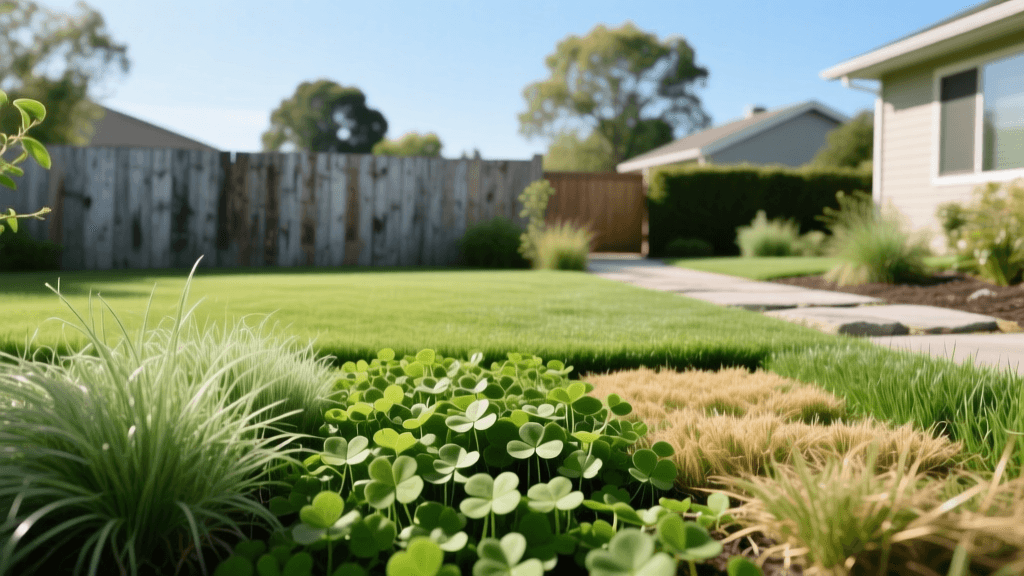
Planning an Eco-Lawn: Sustainable Turf Design Ideas
The Shift Toward Sustainable Lawn Design
For decades, the American dream has been synonymous with a flawless, emerald-green carpet of Kentucky Bluegrass. However, maintaining this ideal requires immense amounts of water, synthetic fertilizers, and fossil fuels. According to EPA WaterSense, outdoor water use accounts for 30% to 60% of total household water consumption in urban areas, with a significant portion dedicated to landscape irrigation. As homeowners become more environmentally conscious and water restrictions become more common, the concept of the 'eco-lawn' has moved from a fringe gardening experiment to a mainstream landscape design strategy.
Designing an eco-lawn is not about letting your yard grow wild and unkempt; it is a deliberate, calculated approach to landscape planning. It involves selecting low-input, drought-tolerant, and native plant species that mimic the aesthetic and functional benefits of traditional turf while drastically reducing the ecological footprint and weekend maintenance hours.
What Exactly is an Eco-Lawn?
An eco-lawn is a thoughtfully designed landscape surface composed of slow-growing grasses, nitrogen-fixing legumes, and sometimes low-growing flowering groundcovers. Unlike traditional monoculture lawns that demand weekly mowing and constant chemical feeding, eco-lawns are designed to be self-sustaining. They feature deep root systems that access subterranean moisture, natural pest resistance, and the ability to generate their own nutrients through symbiotic soil relationships.
From a design perspective, eco-lawns offer a softer, more textured, and naturally undulating visual appeal. They transition beautifully into native garden beds, meadow-scapes, and hardscape patios, providing a cohesive link between the built environment and the local ecosystem.
Comparing Top Eco-Lawn Seed Mixes and Alternatives
When planning your eco-lawn, selecting the right plant material for your specific climate and soil type is critical. Below is a comparison chart of the most popular eco-lawn components used in modern sustainable landscape design.
| Plant Species | Climate Zone | Seeding Rate (per 1,000 sq ft) | Ideal Mowing Height | Drought Tolerance | Est. Seed Cost |
|---|---|---|---|---|---|
| Fine Fescue Blend | Cool / Transition | 5 - 8 lbs | 2 - 3 inches (or unmowed) | High | $45 - $60 |
| Microclover | Cool / Transition | 1 - 2 lbs (often mixed) | 1 - 2 inches | Moderate | $30 - $50 |
| Buffalograss | Warm / Arid | 2 - 5 lbs (hulled seed) | 2 - 4 inches | Very High | $80 - $120 |
| Creeping Thyme | Cool / Warm (Borders) | N/A (Plugs or divisions) | Unmowed (1-2 inches natural) | Moderate | $150+ (plugs) |
1. Fine Fescue Blends
Fine fescues (including creeping red, chewings, hard, and sheep fescues) are the backbone of cool-season eco-lawns. According to the University of Minnesota Extension, these grasses possess exceptionally fine leaf blades, require minimal fertilization, and thrive in shady conditions where traditional bluegrass fails. When left unmowed, they create a beautiful, flowing, meadow-like texture that sways gently in the wind.
2. Microclover Integration
Microclover (Trifolium repens var. Pirouette) is a game-changer for lawn planning. Unlike standard white clover, microclover has tiny leaves and grows low to the ground, blending seamlessly with turfgrasses. Its primary superpower is nitrogen fixation; it pulls nitrogen from the air and deposits it into the soil, naturally fertilizing the surrounding grasses and eliminating the need for synthetic nitrogen applications.
3. Buffalograss for Warm Climates
For homeowners in the Great Plains and arid Southwest, Buffalograss is the premier native alternative. It requires a fraction of the water needed by Bermuda or St. Augustine grass. As noted by Penn State Extension in their review of lawn alternatives, native warm-season grasses like Buffalograss are deeply adapted to regional drought cycles, going dormant and turning a pleasant golden-brown during severe dry spells before greening up immediately upon rainfall.
Strategic Zoning: Designing Your Yard for Function
A successful eco-lawn design relies on the concept of 'yard zoning.' Not every square foot of your property needs to withstand the heavy foot traffic of a backyard football game. By planning your landscape in zones, you can allocate resources efficiently.
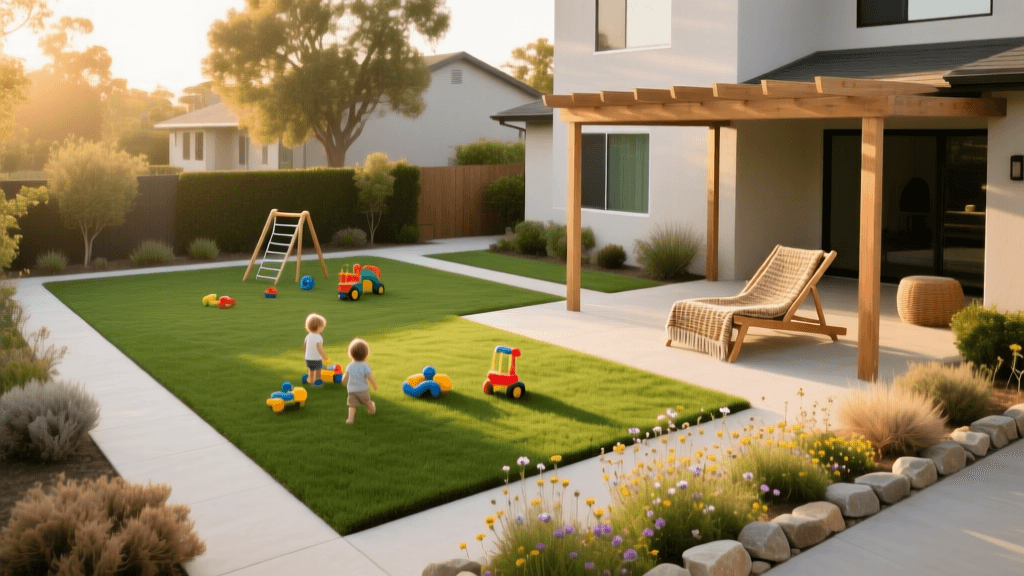
- Zone 1: High-Traffic Play Areas. If you have children or large dogs, reserve a specific, centralized area for a highly durable, drought-tolerant traditional turf like Tall Fescue, or consider permeable hardscaping like decomposed granite or flagstone. Eco-lawns generally do not hold up well to constant, concentrated friction.
- Zone 2: Visual and Low-Traffic Eco-Turf. The front yard, side yards, and the perimeters of the backyard are perfect for fine fescue and microclover blends. These areas are primarily visual and only experience occasional foot traffic for maintenance or casual strolling.
- Zone 3: Slopes, Swales, and Borders. Steep slopes are dangerous to mow and prone to erosion. Plant deep-rooted native grasses, creeping thyme, or transition these areas into low-maintenance shrub beds to stabilize the soil and capture runoff.
Step-by-Step Site Preparation and Planting
Transitioning from a traditional lawn to an eco-lawn requires patience and thorough site preparation. The most common reason for eco-lawn failure is inadequate eradication of the existing competitive turf and weeds.
Timing Your Project
For cool-season eco-lawns (Fescue/Clover), the optimal planting window is late August through mid-October. The soil is still warm, promoting rapid germination, while the cooler autumn air reduces moisture stress and weed competition. For warm-season alternatives like Buffalograss, plan your planting for late May to early June when soil temperatures consistently exceed 60°F.
Eradication and Soil Prep
Avoid using broad-spectrum chemical herbicides if possible, as they can disrupt the soil microbiome necessary for clover and native grasses to thrive. Instead, utilize the 'sheet mulching' or smothering method:
- Mow the existing lawn as short as your mower will allow.
- Cover the entire area with overlapping layers of plain, uncoated cardboard.
- Top the cardboard with 2 to 3 inches of high-quality compost.
- Allow this to sit for 6 to 8 weeks. The underlying grass will die and decompose, enriching the soil.
- Rake the surface lightly and broadcast your eco-lawn seed mix directly into the compost layer, ensuring good seed-to-soil contact.
Long-Term Care and Maintenance Planning
The ultimate goal of planning an eco-lawn is to reclaim your weekends. Once established, the maintenance routine shifts dramatically from a chore to a mild seasonal activity.
Pro Tip: Never apply high-nitrogen synthetic fertilizers to an eco-lawn containing clover. Excess nitrogen will cause the clover to grow aggressively and shade out the fine fescues, ruining the balance of your carefully planned seed mix.
Mowing Schedules
Eco-lawns grow much slower than traditional turf. You will likely only need to mow once every 3 to 4 weeks during the peak spring growing season. Set your mower deck to a minimum of 3 inches. This taller canopy shades the soil, retaining moisture and naturally suppressing broadleaf weeds. If you prefer the 'meadow' look, you can forgo mowing entirely, only cutting the grass down to 4 inches once a year in late fall or early spring to prevent thatch buildup and woody encroachment.
Irrigation Strategies
During the first 8 weeks after seeding, keep the top inch of soil consistently moist to ensure germination. Once the deep root systems establish, transition to deep, infrequent watering. In most temperate climates, natural rainfall will suffice for the majority of the year. During peak summer droughts, a single deep watering of 0.5 inches every two weeks will keep the eco-lawn green without wasting municipal water resources.
Overseeding and Renovation
Every 3 to 5 years, plan to overseed your eco-lawn to maintain its density. Aerate the soil using a core aerator in the fall, and broadcast a fresh mix of fine fescue and microclover at half the standard seeding rate. Top-dress with a thin layer of compost to protect the new seeds and introduce fresh organic matter to the soil profile.
Conclusion: Investing in the Future of Your Landscape
Planning an eco-lawn requires a shift in perspective. You are no longer designing a sterile, high-input carpet, but rather cultivating a living, breathing ecosystem. By selecting the right drought-tolerant species, implementing strategic yard zoning, and embracing a low-impact maintenance routine, you can create a stunning, sustainable landscape. Not only will you save hundreds of dollars annually on water, fertilizer, and lawn care services, but you will also provide vital habitat for local pollinators and contribute to a healthier, more resilient local environment.