Lawn Care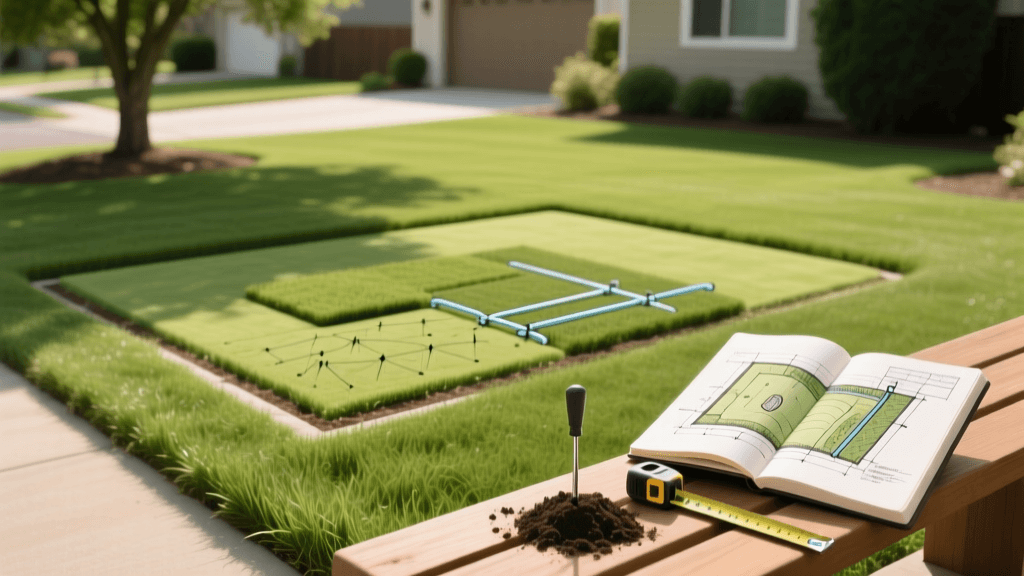
Planning a Lawn Renovation: Designing Your Turf Layout
The Foundation of Lawn Design: Assessing Your Space
Planning a lawn renovation goes far beyond simply tossing grass seed over bare dirt or laying down fresh sod. A truly sustainable and visually striking landscape requires strategic design, careful zoning, and an understanding of how your turf will interact with hardscapes, garden beds, and irrigation systems. Whether you are dealing with a cool-season fescue in the northern climates or a warm-season Bermuda grass in the south, the principles of functional lawn planning remain the same. By approaching your lawn care routine from a design perspective, you can reduce long-term maintenance costs, minimize water waste, and create a yard that is both beautiful and highly usable.
Before drawing any landscape designs or purchasing bulk topsoil, you must understand the microclimates within your yard. A comprehensive site assessment involves mapping out sunlight exposure, identifying natural drainage patterns, and conducting a professional soil test. You can purchase a basic DIY soil test kit from a local garden center for around $15 to $30, but for the most accurate results, send a core sample to your local university cooperative extension office. A lab test (typically costing $20 to $40) will provide exact pH levels, organic matter percentages, and precise fertilizer recommendations, ensuring your soil amendment strategy is based on hard data rather than guesswork.
Designing Functional Turf Zones
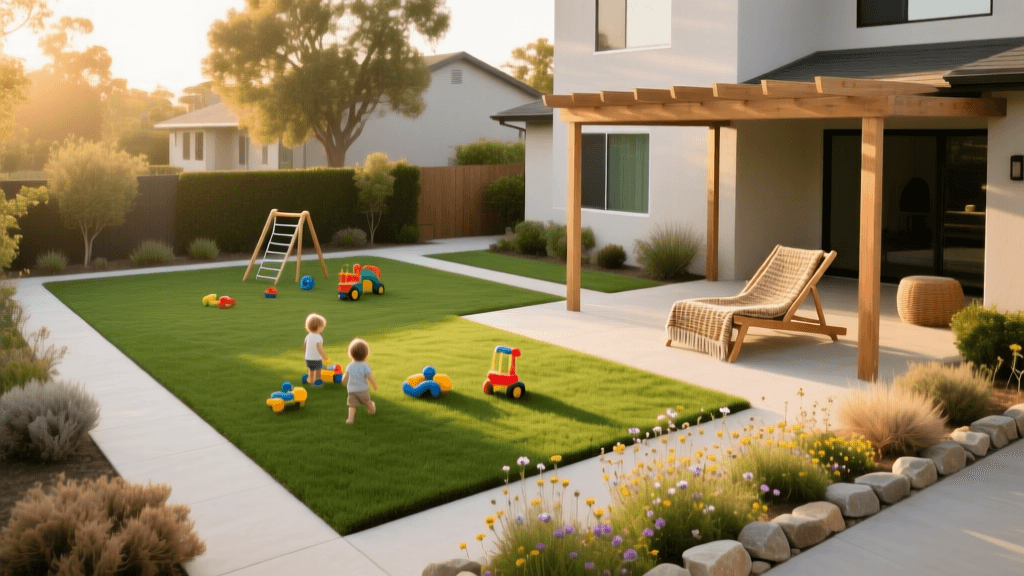
Not all lawn areas serve the same purpose, and treating your entire yard as a single, uniform entity is a common landscaping mistake. By dividing your yard into distinct 'turf zones,' you can match the right grass species to the specific environmental and functional demands of each area. This concept, heavily emphasized in modern landscape architecture, ensures that high-traffic play areas receive durable grass, while shaded ornamental corners are planted with shade-tolerant varieties.
According to the University of Minnesota Extension, selecting the right turfgrass based on site conditions and intended use is the most critical step in establishing a healthy, low-maintenance lawn. Planting a sun-loving Kentucky Bluegrass in a densely shaded area beneath mature oak trees will only result in perpetual thinning, weed invasion, and wasted money on seed and fertilizer.
Turf Zone Comparison Chart
| Zone Type | Primary Function | Recommended Cool-Season Grass | Recommended Warm-Season Grass | Maintenance Level |
|---|---|---|---|---|
| High-Traffic Play Zone | Children, pets, heavy foot traffic | Turf-Type Tall Fescue, Perennial Ryegrass | Bermuda, Zoysia | High (Frequent mowing, aeration) |
| Ornamental / Curb Appeal | Visual aesthetics, low foot traffic | Kentucky Bluegrass, Fine Fescue blends | St. Augustine, Centipede | Medium (Regular fertilization) |
| Shaded / Under-Tree Zone | Groundcover in low-light areas | Fine Fescue, Rough Bluegrass | St. Augustine (moderate shade) | Low (Less water, higher mowing height) |
| Drought-Prone / Slopes | Erosion control, water conservation | Tall Fescue, Buffalograss (transition) | Bermuda, Bahia | Low (Infrequent irrigation) |
A well-designed lawn is not just a carpet of green; it is a functional, zoned ecosystem that balances aesthetic appeal with practical maintenance and environmental stewardship.
Hardscape Integration and Mowing Strips
One of the most time-consuming aspects of lawn care is string trimming around garden beds, trees, and fences. You can drastically reduce your weekly maintenance time by integrating hardscape mowing strips into your lawn design. A mowing strip is a flush, paved, or gravel border that allows your lawnmower deck to glide over the edge, cutting the grass cleanly without the need for a weed whacker.
When planning your hardscape borders, consider using materials that complement your home's architecture. For a modern look, use 4-inch wide steel landscape edging (such as Vigoro steel edging, which costs about $2.50 per linear foot) topped with decomposed granite. For a more traditional aesthetic, lay a 12-inch to 18-inch wide strip of clay pavers or natural flagstone set in a bed of polymeric sand. Ensure that the top of the mowing strip is exactly one inch below the soil grade. This allows the mower blades to scalp the grass slightly over the hardscape, eliminating the 'fuzzy' edge that occurs when grass grows horizontally over plastic or metal barriers.
Hydrozoning and Irrigation Planning
Water management is the cornerstone of sustainable lawn planning. Hydrozoning is the practice of grouping plants and turf areas with similar water requirements together on the same irrigation valve. If you have a lawn zone that receives full, blistering sun all day, and an adjacent zone that is heavily shaded by your home, they should never be on the same sprinkler timer. The shaded zone requires up to 50% less water than the sunny zone; watering them equally will result in fungal diseases in the shade and drought stress in the sun.
The EPA WaterSense program notes that implementing efficient irrigation practices and hydrozoning can reduce outdoor water use by up to 30% or more, saving the average family thousands of gallons of water annually. When designing your irrigation layout, upgrade standard spray heads to high-efficiency rotary nozzles (like the Rain Bird R-VAN or Hunter MP Rotator). These nozzles apply water at a much slower rate (approximately 0.6 inches per hour compared to 1.5 inches for traditional sprays), allowing heavy clay soils to absorb the moisture without runoff. Plan your pipe trenches to run parallel to your primary hardscape edges to make future repairs easier and less destructive to your lawn.
The Renovation Timeline: Aeration and Seeding
Once your design is mapped and your irrigation zones are established, it is time to execute the physical renovation. The timing of your aeration, soil amendment, and overseeding is critical to the survival of your new turf layout. As outlined by Michigan State University Extension, core aeration should precede overseeding to ensure maximum seed-to-soil contact, which is the primary driver of germination success.
Step-by-Step Execution Plan
- Step 1: Deep Core Aeration (Early Fall for Cool-Season / Late Spring for Warm-Season): Rent a heavy-duty, walk-behind core aerator (approx. $80 for a half-day rental). Make two passes over your high-traffic zones in perpendicular directions to pull thousands of 2-to-3-inch soil plugs. Leave the plugs on the lawn; they will break down and return valuable microbes to the surface.
- Step 2: Topdressing and Soil Amendment: Based on your initial soil test, apply a thin layer (about 1/4 inch) of screened compost or a specialized topdressing mix. Use a leveling rake or a drag mat to work the compost into the aeration holes. This improves soil structure and provides a nutrient-rich bed for new seeds.
- Step 3: Precision Overseeding: Use a broadcast spreader to apply your zone-specific grass seed. For high-traffic cool-season zones, apply a Turf-Type Tall Fescue blend at a rate of 6 to 8 pounds per 1,000 square feet. For ornamental zones, apply Kentucky Bluegrass at 2 to 3 pounds per 1,000 square feet. Follow up with a starter fertilizer high in phosphorus (e.g., a 10-18-10 NPK ratio) to stimulate rapid root development.
- Step 4: Irrigation Calibration: For the first 14 to 21 days, the seed must remain constantly moist but not waterlogged. Program your irrigation controller to run for 5 to 10 minutes, three to four times a day. Once the new grass reaches a height of 2 inches, gradually reduce the frequency of watering while increasing the duration to encourage deep root growth.
Long-Term Maintenance and Design Evolution
A thoughtfully planned lawn layout is not a static entity; it evolves as trees grow larger, casting new shadows, and as family needs change. Reassess your turf zones every three to five years. If a once-sunny play area has become heavily shaded by a maturing maple tree, do not fight nature by continually reseeding with sun-loving varieties. Instead, adapt your design by expanding your hardscape borders, introducing shade-tolerant groundcovers like creeping thyme or liriope, and reducing the overall square footage of high-maintenance turf.
By combining the science of soil health and turfgrass biology with the art of landscape design, you create a lawn that is resilient, efficient, and beautiful. Proper planning transforms lawn care from a weekly chore into a rewarding practice of environmental stewardship and outdoor living design. Invest the time in mapping your zones, installing proper mowing strips, and calibrating your irrigation, and your lawn will reward you with years of lush, vibrant growth.