Lawn Care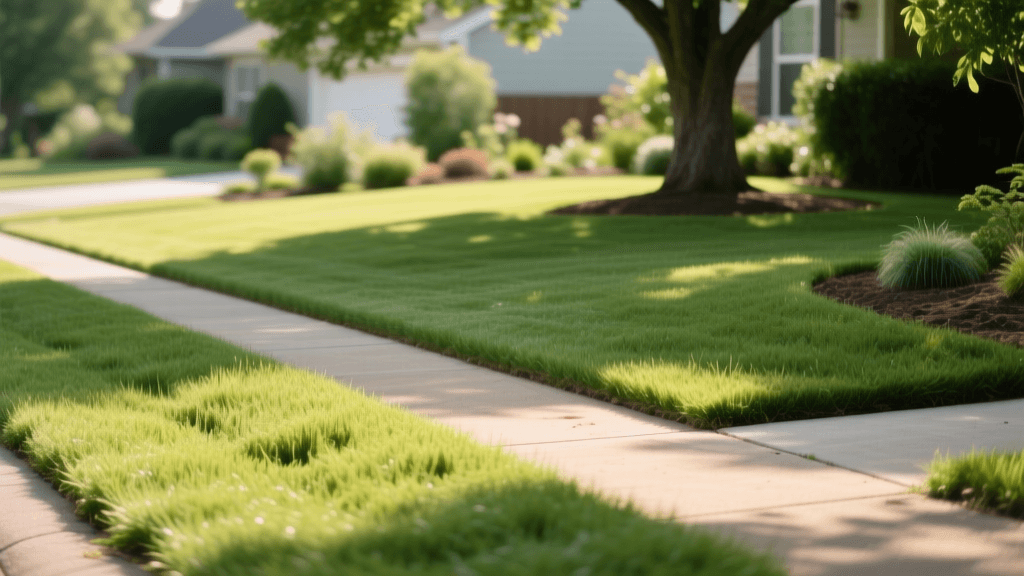
Planning Lawn Zones: Matching Grass to Sun and Traffic
Most homeowners approach lawn care with a monolithic mindset, treating their entire yard as a single, uniform carpet. They buy one type of grass seed, apply the same fertilizer schedule across the board, and wonder why the grass under the oak tree is thinning while the lawn near the patio is thriving. The secret to a resilient, low-maintenance, and visually stunning landscape lies in a strategic design concept known as lawn zoning. By dividing your yard into distinct zones based on sunlight exposure, soil conditions, and foot traffic, you can tailor your lawn care practices and grass selections to match the specific needs of each area.
Step 1: Mapping Your Yard’s Microclimates
Before purchasing any seed or sod, you must understand the microclimates within your property. A microclimate is a localized area with distinct environmental conditions that differ from the surrounding yard.
Tracking Sunlight Exposure
Grass species have vastly different photosynthetic requirements. To map your sun exposure, spend a weekend observing your yard. Note which areas receive direct, unfiltered sunlight and which are shaded by structures or tree canopies.
- Full Sun Zones: Receive 6 to 8+ hours of direct sunlight daily.
- Partial Shade Zones: Receive 4 to 6 hours of direct sunlight, often dappled through tree leaves.
- Heavy Shade Zones: Receive less than 4 hours of direct sunlight. Most traditional turfgrasses will struggle to survive here.
Assessing Soil Drainage and Compaction
According to turf experts at NC State Extension TurfFiles, soil compaction and drainage dictate root depth and drought tolerance. Perform a simple percolation test: dig a hole 12 inches deep and 6 inches wide, fill it with water, and let it drain. Refill it and time how long it takes to drain. If it drops less than 1 inch per hour, you have heavy clay and poor drainage. If it drains faster than 4 inches per hour, you have sandy, fast-draining soil. These factors will heavily influence your zoning plan.
Step 2: Defining Functional Usage Zones
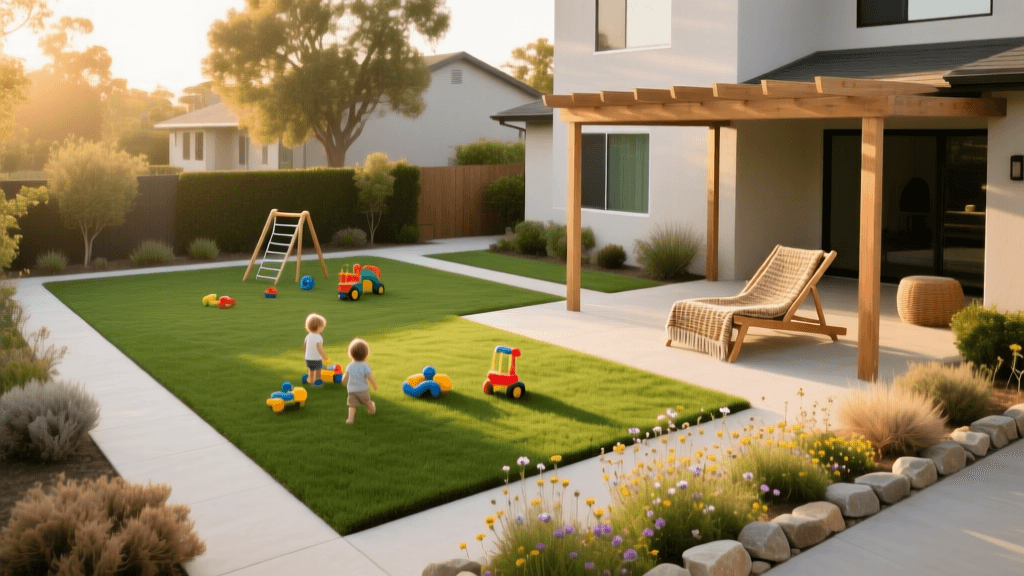
A well-designed lawn serves multiple purposes, from an active playground for children and pets to a serene visual buffer for your property lines. Categorizing your yard by usage prevents the frustration of trying to grow delicate grass in high-traffic areas.
High-Traffic Zones
These are the pathways between the house and the garage, the area around the patio, and the primary play zones for kids and dogs. High-traffic zones suffer from severe soil compaction and physical wear. Grasses planted here must possess aggressive lateral growth and rapid recovery capabilities, such as Bermudagrass or Zoysiagrass in warm climates, or Kentucky Bluegrass in cool climates.
Low-Traffic and Ornamental Zones
These areas are primarily visual. Think of the front yard curb appeal zones, steep slopes, or the back edges of your property. Because these areas are rarely walked on, you can prioritize aesthetics, drought tolerance, or shade tolerance over wear resistance. Fine Fescues are excellent for low-traffic, shaded ornamental zones, while deep-rooted Tall Fescue is ideal for low-traffic slopes where erosion control is needed.
Step 3: Matching Grass Types to Your Zones
The University of Minnesota Extension emphasizes that matching the right grass to the right zone is the cornerstone of sustainable lawn care. Below is a comprehensive planning matrix to help you assign the correct turfgrass to your designated zones.
| Grass Type | Ideal Zone | Sunlight Needs | Traffic Tolerance | Drought Tolerance | Est. Seed Cost (per 1,000 sq ft) |
|---|---|---|---|---|---|
| Bermudagrass | High-Traffic / Full Sun | Full Sun (8+ hrs) | Excellent | High | $15 - $25 |
| Zoysiagrass | High-Traffic / Transitional | Full to Partial Sun | Very Good | High | $20 - $35 |
| Kentucky Bluegrass | High-Traffic / Full Sun | Full Sun (6+ hrs) | Good (Recovers well) | Moderate | $12 - $20 |
| Tall Fescue | Low-Traffic / Slopes | Full to Partial Sun | Moderate | High | $10 - $18 |
| Fine Fescue | Low-Traffic / Shade | Partial to Heavy Shade | Poor | Moderate | $15 - $25 |
Step 4: Planning Transition Zones and Alternatives
Not every square inch of your yard needs to be covered in traditional turfgrass. In fact, the EPA WaterSense program advocates for "hydrozoning" and reducing turf areas to conserve water and minimize maintenance. Transition zones—such as the deep shade beneath mature trees or the narrow strips between the sidewalk and the street (hellstrips)—often require alternative design solutions.
Deep Shade and Tree Root Zones
Grass struggles in deep shade not just because of low light, but because mature trees aggressively compete for water and nutrients. Instead of fighting a losing battle with Fine Fescue, plan to expand your mulch rings to the tree's drip line. Use shade-loving ground covers like Creeping Jenny, Vinca Minor, or Hostas. If you desire a walkable surface, consider installing flagstone stepping stones surrounded by creeping thyme or Irish moss.
The Lawn Alternative: Microclover
For low-traffic zones that receive partial sun and require minimal fertilization, consider integrating microclover (Trifolium repens var. Pirouette). Microclover stays low to the ground, requires less mowing, and naturally fixes nitrogen in the soil, reducing your need for synthetic fertilizers. It blends beautifully with existing turf and remains green even during mild droughts.
Step 5: Budgeting and Implementation Timeline
Executing a zoned lawn design requires careful planning regarding costs and seasonal timing. Here is a practical breakdown of what to expect when transitioning your yard.
Soil Testing and Preparation Costs
Before planting, invest in a comprehensive soil test from your local university extension office. These typically cost between $15 and $30 and will provide exact pH and N-P-K (Nitrogen, Phosphorus, Potassium) recommendations. Amending the soil based on these results is non-negotiable for long-term success. Budget approximately $30 to $50 per 1,000 square feet for bulk compost to top-dress and improve soil structure in your designated zones.
Seed vs. Sod Investment
Seeding is highly cost-effective, ranging from $0.10 to $0.35 per square foot, making it ideal for large, low-traffic ornamental zones. However, for high-traffic areas that need immediate erosion control and durability, sod is the superior choice. Sod installation costs between $0.45 and $0.85 per square foot (including labor and materials) but provides an instant, weed-free lawn that can handle light traffic within weeks.
Seasonal Timing
Timing is critical for zone establishment. If you are planting cool-season grasses (Kentucky Bluegrass, Tall Fescue, Fine Fescue), plan your implementation for early fall (late August to mid-October). The warm soil and cool air promote rapid root growth without the stress of summer heat. For warm-season grasses (Bermudagrass, Zoysiagrass), wait until late spring or early summer (mid-May to June) when soil temperatures consistently exceed 65°F, ensuring aggressive lateral spread before winter dormancy.
Conclusion
Designing your lawn through the lens of functional and environmental zones transforms lawn care from a frustrating chore into a manageable, strategic routine. By mapping your microclimates, defining usage zones, and selecting the appropriate grass or alternative ground cover for each specific area, you will cultivate a dynamic, resilient landscape. Not only will this approach save you time and money on water, seed, and fertilizers, but it will also result in a healthier, more beautiful yard that perfectly complements your lifestyle.