Home & Garden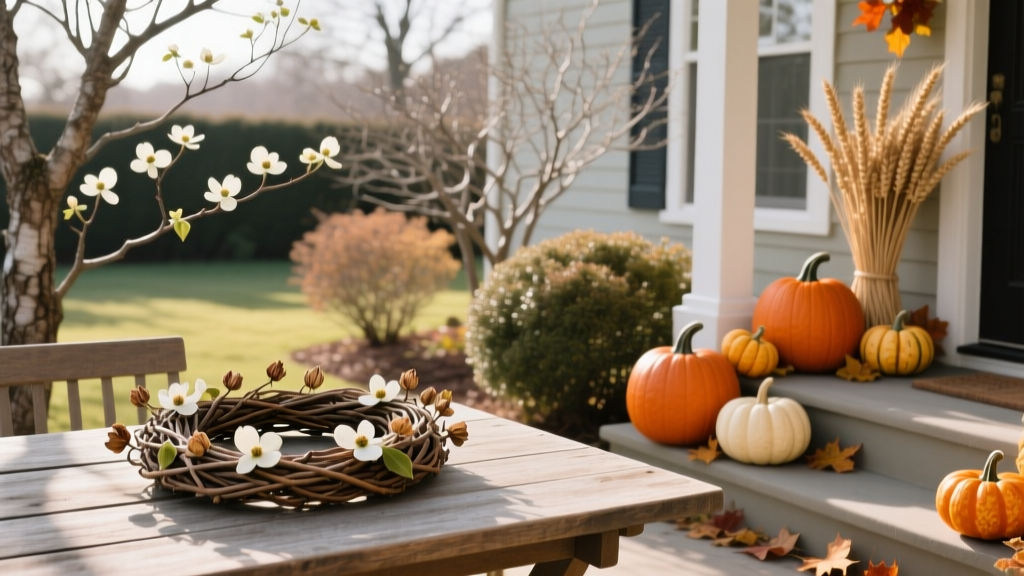
Best Trees For DIY Spring Wreaths & Fall Pumpkin Displays 2026
Sarah ChenPublished
The 2026 Trend: Garden-Grown Porch Decor
In 2026, the shift toward hyper-local, eco-conscious landscaping has completely transformed how homeowners approach outdoor decorating. Instead of purchasing mass-produced, plastic seasonal decor, gardeners are increasingly turning to their own backyards to cultivate the raw materials needed for stunning porch displays. By integrating specific tree and shrub selections into your landscape design, you can grow your own flexible branches for lush spring wreaths and cultivate the perfect shaded microclimates for autumn pumpkin staging.
Bridging the gap between tree planting guides and seasonal porch decor requires a strategic approach to landscape architecture. You must select species that not only thrive in your local hardiness zone but also provide harvestable materials without compromising the plant's structural integrity. Whether you are framing your entryway with vibrant spring foliage or creating a rustic autumn harvest scene, this comprehensive 2026 planting guide will help you grow your own seasonal porch decor from the ground up.
Best Trees and Shrubs for Spring Wreath Harvesting
Creating a durable, beautiful spring wreath requires flexible, resilient branches that can be woven into a circular base before being adorned with seasonal blooms. The following trees and shrubs are top-tier choices for planting in early 2026 to ensure a sustainable harvest for years to come.
Red Osier Dogwood (Cornus sericea)
The Red Osier Dogwood is an absolute powerhouse for DIY wreath makers. Planted as a multi-stemmed shrub or small border tree, it produces striking, blood-red stems that stand out beautifully against the fading winter landscape and early spring backdrop. According to the University of Minnesota Extension, this species thrives in moist, well-drained soils and can tolerate a wide range of pH levels, making it incredibly versatile for various garden beds.
Planting & Harvesting Tips: Plant bare-root Red Osier Dogwood in early spring 2026, spacing them 3 to 4 feet apart to allow for their mature spread. To harvest for wreaths, practice 'coppicing'—cutting the oldest stems down to the ground in late winter or early spring. This encourages the growth of new, highly flexible, and vibrantly colored shoots that are perfect for weaving into wreath bases. A single mature shrub can yield dozens of 4-foot pliable stems annually.
Weeping Willow (Salix babylonica)
While it requires more space, the Weeping Willow is the gold standard for wreath-making branches. Willow branches are incredibly supple, allowing you to bend and twist them into tight circles without snapping. When planted near a water feature or a rain garden at the edge of your property, willows help manage soil moisture while providing an endless supply of crafting material.
Planting & Harvesting Tips: Willows grow rapidly, often adding 3 to 4 feet of height per year. Plant them at least 50 feet away from your home's foundation and underground plumbing to prevent root intrusion. For wreath harvesting, prune the long, sweeping 'whips' in late spring just as the leaf buds begin to swell. Strip the leaves, and the bare branches can be immediately woven into a sturdy, long-lasting wreath frame.
Forsythia (Forsythia x intermedia)
Forsythia is the quintessential harbinger of spring, erupting in brilliant yellow blooms before its leaves even appear. While its branches are slightly more rigid than willow, younger shoots are pliable enough to form smaller, delicate wreath frames that can be displayed with the blossoms still attached.
Planting & Harvesting Tips: Plant Forsythia in full sun to ensure maximum bloom production. Prune immediately after the spring flowering cycle concludes to shape the shrub and harvest the newest, most flexible growth for indoor or shaded porch wreaths.
Framing the Fall Pumpkin Display with Strategic Tree Selection
Transitioning into autumn, the focus shifts from woven branches to the rich, textured displays of pumpkins, gourds, and fall foliage. While pumpkins are vining squashes rather than trees, the success of a porch-adjacent pumpkin display and the aesthetic backdrop of your autumn staging rely heavily on your tree selection and canopy management.
Sugar Maple and Ginkgo Biloba for Autumn Backdrops
A stunning fall pumpkin display is only as good as its backdrop. Planting deciduous trees that offer spectacular autumn foliage can turn a simple porch arrangement into a neighborhood showstopper. The Sugar Maple (Acer saccharum) provides a towering canopy of fiery oranges and reds, while the Ginkgo Biloba drops a sudden, brilliant carpet of golden-yellow fan-shaped leaves.
By positioning your porch seating and display tables beneath the dappled shade of these trees, you create a natural frame for your pumpkins. Furthermore, the fallen leaves from these specific trees are highly prized for layering inside decorative baskets and crates alongside your pumpkins, adding an authentic, garden-foraged texture to your 2026 fall decor.
Microclimate Management for Porch-Adjacent Pumpkins
Pumpkins require full sun (at least 6 to 8 hours daily) to develop thick, durable rinds suitable for long-lasting porch displays. However, many front porches are heavily shaded by mature canopy trees. To bridge this gap, landscape designers in 2026 are utilizing 'microclimate planting' strategies.
Instead of forcing pumpkins to grow in the shade of your porch trees, plant your pumpkin vines in the sunniest section of your front yard, and use the trees near your porch to grow ornamental gourds and luffa on vertical trellises. As noted by The Old Farmer's Almanac, pumpkins need ample space and rich, well-drained soil to thrive. By growing 'Porcelain Doll' or 'Lumina' (white) pumpkins in the sun and harvesting them in late September, you can cure them in the dry, shaded microclimate beneath your porch-framing trees before arranging them on your steps.
2026 Tree & Shrub Planting Chart for Porch Decor
| Species | Common Name | Best Season for Decor | Sun Requirement | Harvest Technique |
|---|---|---|---|---|
| Cornus sericea | Red Osier Dogwood | Spring / Winter | Full Sun to Part Shade | Coppicing for colorful stems |
| Salix babylonica | Weeping Willow | Spring | Full Sun | Pruning long whips for weaving |
| Acer saccharum | Sugar Maple | Fall | Full Sun | Collecting fallen leaves for display bases |
| Ginkgo biloba | Ginkgo | Fall | Full Sun | Golden leaf drop for pumpkin staging |
Smart Irrigation and Soil Prep for Decor Trees
Ensuring your decorative trees and shrubs remain healthy enough for annual harvesting requires precise watering, especially during the critical establishment phase in their first two years. In 2026, integrating smart home irrigation is the most efficient way to manage this.
Pairing a smart controller, such as the Rachio 4, with wireless soil moisture sensors placed directly in the root zones of your Dogwood and Willow shrubs ensures they receive deep, infrequent watering. This encourages deep root growth, which in turn produces stronger, more flexible branches for your wreaths. When planting in 2026, amend your native soil with a 2-inch layer of organic compost to improve moisture retention, and apply a 3-inch layer of hardwood mulch around the base of the tree, keeping it a few inches away from the trunk to prevent rot. The Arbor Day Foundation emphasizes that proper mulching and watering are the primary determinants of a newly planted tree's survival rate and long-term vigor.
Harvesting and Crafting Your Seasonal Displays
Timing your harvest is just as crucial as your planting strategy. For spring wreaths, harvest your willow and dogwood branches on a dry morning after the dew has evaporated but before the afternoon sun bakes the moisture out of the wood. Immediately submerge the cut ends in a bucket of warm water for 24 hours to maximize their pliability before weaving.
For your fall pumpkin display, wait until the pumpkin vines have completely died back and the stems have turned corky and brown. Cut the pumpkins with at least 3 inches of stem attached—never carry them by the stem, as breaking it invites rot. Arrange your cured pumpkins on your porch beneath the golden canopy of your Ginkgo or Maple, weaving in dried ornamental grasses and the very same dogwood stems you harvested in the spring, now dried to a beautiful, rustic hue. This closed-loop, garden-grown approach to seasonal decor not only saves money but deeply connects your home's exterior to the natural rhythms of your landscape.
