Home & Garden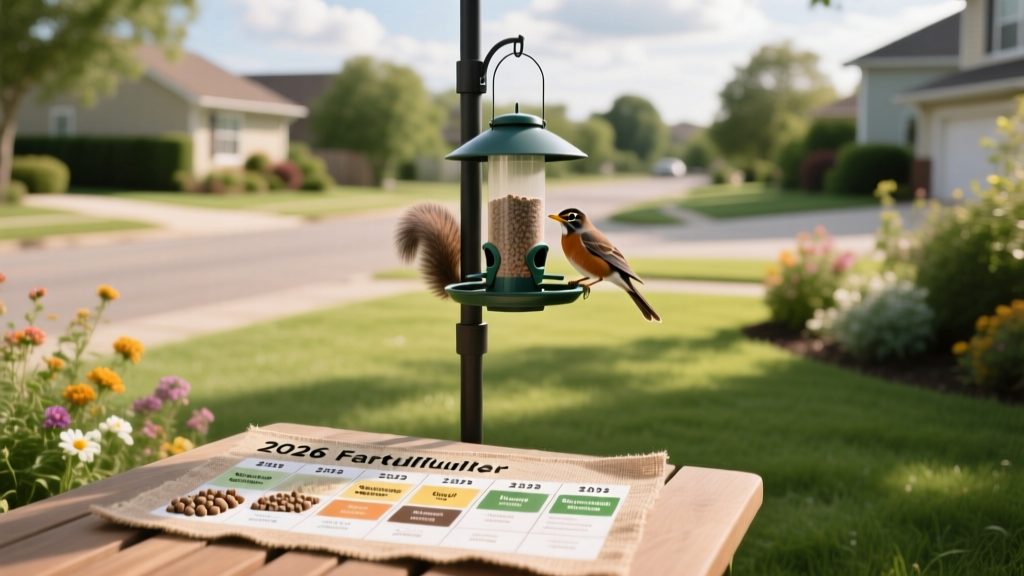
2026 Fertilizer Schedule For Pole-Mount Bird Feeders
Emily WatsonPublished
The Hidden Lawn Damage Beneath Your Bird Feeder Station
As we navigate the 2026 gardening season, backyard birdwatching and wildlife landscaping continue to be top priorities for homeowners. Installing a heavy-duty bird feeder station with a pole mount and a squirrel baffle is the gold standard for keeping pests out and songbirds fed. However, most lawn care guides completely ignore the unique micro-environment created directly beneath these stations. The area surrounding your pole-mounted feeder—often referred to as the 'drop zone'—is subjected to intense biological and chemical stressors that can decimate your turfgrass if left unmanaged.
Bird droppings, while organic, are highly concentrated in nitrogen and uric acid. When deposited repeatedly in a concentrated three-to-five-foot radius, they cause severe nitrogen burn, leaving behind unsightly yellow and brown patches. Furthermore, spilled bird seed, particularly black oil sunflower seeds, introduces a secondary threat. Sunflower hulls contain allelopathic chemicals—natural toxins that inhibit the germination and growth of competing plants, including your prized Kentucky Bluegrass or Tall Fescue. To maintain a pristine lawn in 2026, you must implement a specialized fertilizer schedule and soil amendment routine specifically designed to counteract the unique conditions of the bird feeder drop zone.
Optimizing Your Pole Mount and Squirrel Baffle Setup
Before diving into fertilizer types, the physical setup of your bird feeder station plays a massive role in soil health. Modern 2026 pole-mount systems often feature integrated seed-catcher trays, which are essential for lawn preservation. A standard 5-foot steel pole with an 18-inch torpedo squirrel baffle will successfully deter rodents, but it does nothing to stop seed hulls from drifting to the grass below.
Hardware Adjustments for Lawn Protection
- Install a Mesh Seed Tray: Position a wide, breathable mesh tray directly beneath the feeding ports. This catches up to 80% of hulls and dropped seeds before they reach the soil, drastically reducing the allelopathic toxin load on your lawn.
- Elevate the Baffle: Mount your squirrel baffle at least 4 feet off the ground. This not only stops squirrels from jumping over it but also allows for better air circulation at the soil level, preventing the damp, moldy conditions that exacerbate turf disease beneath the station.
- Rotate the Station: If your pole mount is installed in a ground sleeve, consider moving the entire station a few feet every spring to allow the previously impacted soil to recover.
Best Fertilizer Types for the 'Drop Zone'
Standard lawn fertilizers are formulated for uniform application across broad areas. The soil beneath your bird feeder station requires a targeted approach. According to turf management experts, balancing the soil pH and neutralizing toxins is just as important as feeding the grass. For a comprehensive look on general lawn nutrition, the University of Minnesota Extension provides excellent baseline guidelines, but the drop zone requires specific amendments.
1. Polymer-Coated Slow-Release Nitrogen
Because bird droppings already introduce erratic, high doses of fast-acting nitrogen to the soil, applying a standard quick-release synthetic fertilizer will almost guarantee chemical burn. In 2026, the best choice is a polymer-coated urea (PCU) slow-release fertilizer. This technology releases nitrogen gradually based on soil temperature and moisture, preventing the sudden spikes that, when combined with bird waste, scorch the turf.
2. Humic Acid and Biochar Amendments
To combat the allelopathic effects of sunflower seed hulls, you need carbon-rich soil amendments. Liquid humic acid and granular biochar act as molecular sponges. They bind to the natural herbicides released by decaying seed hulls, neutralizing them before they can attack the roots of your grass. Applying a humic acid treatment every six weeks during the heavy winter and spring feeding seasons is highly recommended.
3. Pelletized Dolomitic Lime
The decomposition of organic matter, combined with the uric acid in bird waste, rapidly acidifies the soil in the drop zone. Most turfgrasses prefer a pH between 6.0 and 7.0. Applying pelletized dolomitic lime in the early spring and late fall helps buffer the soil pH, ensuring that the grass roots can still absorb essential nutrients despite the acidic bombardment from above.
The 2026 Fertilizer Schedule for Bird Feeder Zones
Maintaining the grass around your pole-mounted bird feeder requires a schedule that deviates slightly from your standard lawn care routine. Below is the recommended 2026 treatment calendar specifically for a 10-foot radius surrounding your bird feeder station.
| Season / Month | Primary Treatment | Application Rate | Purpose & Benefits |
|---|---|---|---|
| Early Spring (March) | Pelletized Lime & Biochar | 5 lbs per 1,000 sq ft | Neutralizes winter acidity from droppings and binds early-season seed hull toxins. |
| Late Spring (May) | Slow-Release Nitrogen (PCU) | 0.5 lbs Nitrogen per 1,000 sq ft | Provides steady growth without risking burn from combined bird waste nitrogen. |
| Mid-Summer (July) | Liquid Humic Acid | 2 oz per gallon of water | Relieves heat stress and continues to neutralize allelopathic seed hull compounds. |
| Early Fall (September) | Core Aeration & Overseeding | N/A | Relieves soil compaction from foot traffic during feeder maintenance and refills bare spots. |
| Late Fall (November) | Potassium-Rich Winterizer | 1 lb Potassium per 1,000 sq ft | Strengthens grass cell walls to survive winter trampling and heavy droppings. |
Choosing the Right Bird Seed to Minimize Lawn Toxicity
While fertilizers and soil amendments can repair damage, prevention is always the most cost-effective strategy. The type of seed you put in your pole-mounted feeder dictates the severity of the lawn impact. The National Audubon Society frequently highlights how seed selection impacts local environments, and this extends directly to your turfgrass health.
Seeds to Avoid
- Black Oil Sunflower Seeds (In Shell): While beloved by cardinals and chickadees, the hulls are highly allelopathic. If you must use them, a seed-catcher tray on your pole mount is non-negotiable.
- Red Millet: Often used as a cheap filler in discount seed blends, red millet is largely ignored by desirable backyard birds. It ends up on the ground, rotting and promoting fungal lawn diseases like brown patch.
Lawn-Friendly Seed Alternatives
- Hulled Sunflower Hearts: Though slightly more expensive upfront, sunflower hearts provide 100% edible nutrition with zero waste. No hulls mean no allelopathic toxins and no mess to rake up from the grass.
- Safflower Seed: Cardinals and grosbeaks love safflower, but squirrels and 'bully birds' like grackles generally avoid it. The hulls are far less toxic to grass than sunflower hulls, making it a safer choice for the drop zone.
- Shelled Peanuts: High in fat and protein, shelled peanuts leave behind no toxic husks and break down cleanly into the soil without inhibiting grass growth.
Pro Tips for Soil Recovery and Maintenance
Even with the perfect fertilizer schedule and the best squirrel baffle on the market, the soil beneath a bird feeder station endures heavy foot traffic from you refilling the feeders. This traffic leads to severe soil compaction, which chokes grass roots and prevents water and liquid humic acid from penetrating the soil profile.
To combat this, perform a micro-aeration around the pole mount every September. Use a manual step-on core aerator to pull 3-inch plugs from the soil in a 5-foot circle around the pole. Leave the plugs on the lawn to break down naturally. Immediately follow aeration with an application of premium compost and a drought-resistant Tall Fescue grass seed blend. The compost will introduce beneficial microbes that actively break down the uric acid in bird droppings, turning a potential lawn-burning hazard into a mild, natural fertilizer.
By treating the area around your pole-mounted bird feeder station as a distinct landscaping zone with its own specialized fertilizer schedule, you can enjoy the beauty of backyard wildlife in 2026 without sacrificing the health and vibrant green color of your lawn. Consistent use of slow-release nitrogen, pH-buffering lime, and toxin-binding humic acids will ensure your turf remains thick, resilient, and beautiful all year long.
