Home & Garden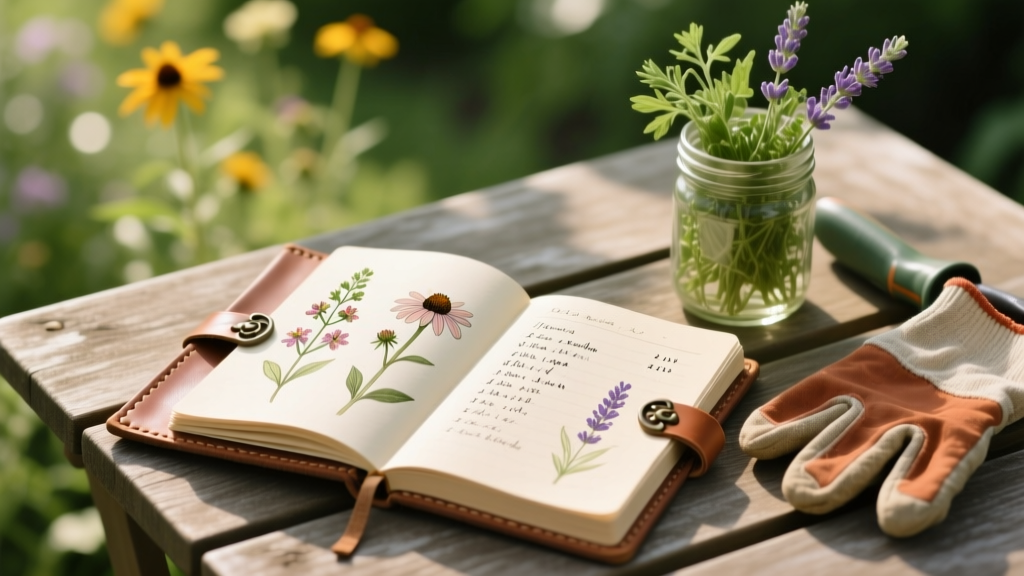
Plan Your 2026 Pollinator Garden: Journal & Harvest Log
Emily WatsonPublished
Why Every Pollinator Garden Needs a Dedicated Journal in 2026
As we move through the 2026 growing season, the importance of supporting local pollinator populations has never been more critical. Urbanization, climate shifts, and habitat fragmentation continue to challenge native bees, butterflies, and essential insects. While planting native flowers is a fantastic first step, transforming your yard into a true ecological sanctuary requires observation, adaptation, and meticulous record-keeping. This is where a specialized garden journal becomes your most powerful tool.
A pollinator-focused garden journal goes far beyond simply jotting down when you watered your tomatoes. It bridges the gap between garden-to-table harvests and outdoor ecological stewardship. By maintaining a detailed planting calendar and a rigorous harvest log, you can track continuous bloom cycles, measure the success of your pollinator-dependent crops, and identify which native species truly thrive in your specific microclimate. According to the Xerces Society for Invertebrate Conservation, meticulous habitat tracking and adaptive management are among the most effective ways home gardeners can contribute to broad pollinator conservation efforts.
Setting Up Your 2026 Pollinator Journal
Before you dig your first hole, you need to establish your journaling system. In 2026, gardeners generally choose between analog and digital formats, and the best choice depends on your workflow.
Analog Journals
For those who prefer to leave their screens indoors, a weather-resistant physical notebook is ideal. Look for journals with dot-grid pages, which make it easy to sketch garden bed layouts and map sun exposure zones. Dedicate the first ten pages to your master garden map, noting where your pollinator corridors and water sources are located.
Digital Garden Planners
If you prefer smart home integration, digital planning apps have evolved significantly. Many 2026 garden apps now feature built-in pollinator databases, allowing you to log plantings and automatically generate bloom-time overlap charts. These apps can send you push notifications when specific native plants are about to flower, reminding you to pause mowing or avoid applying any organic pest controls during peak foraging hours.
Designing the Pollinator Planting Calendar
The core of your journal is the planting calendar. For a pollinator-friendly design, your primary goal is to ensure a continuous sequence of blooms from early spring through late fall. Pollinators need a steady supply of nectar and pollen; if your garden experiences a 'bloom gap' in mid-summer, local bee populations may migrate elsewhere or starve.
When building your calendar, utilize the Pollinator Partnership's Ecoregional Planting Guides to select species native to your exact region. In your journal, create a dedicated spread for each month, logging the expected bloom start date, peak bloom, and senescence (fade) date. This data will help you identify gaps in your nectar flow for the 2027 season.
| Season | Native Plant Example | Bloom Window | Target Pollinator | Journal Tracking Metric |
|---|---|---|---|---|
| Early Spring | Serviceberry (Amelanchier) | April - May | Queen Bumblebees, Mining Bees | First bloom date & frost impact |
| Early Summer | Wild Indigo (Baptisia) | May - June | Long-tongued Bees, Butterflies | Stem count & visitor frequency |
| Peak Summer | Purple Coneflower (Echinacea) | July - August | Sweat Bees, Swallowtails | Daily observation tally |
| Late Fall | New England Aster (Symphyotrichum) | September - October | Monarchs, Late-season Foragers | Last frost date & seed set |
The Harvest Log: Measuring Pollination Success
Many gardeners forget that a significant portion of our garden-to-table harvest relies entirely on the insects we are trying to protect. Zucchini, cucumbers, blueberries, melons, and pumpkins require insect pollination to produce fruit. Your harvest log is not just a record of what you ate; it is a direct report card on the health and efficacy of your pollinator habitat.
In the back of your journal, create a comprehensive harvest log specifically for pollinator-dependent crops. This will help you correlate your planting calendar's bloom overlaps with your actual garden yields. If your squash plants produce abundant male flowers but very few female flowers develop into mature fruit, your journal will highlight a potential deficit in local squash bee populations.
Key Metrics to Track in Your Harvest Log
- Flower Set vs. Fruit Set: Tally the number of female flowers that open versus the number that successfully develop into mature fruit. A high drop-off rate indicates poor pollinator visitation.
- Harvest Weight and Volume: Weigh your yields. Compare your 2026 harvest weights against previous years to see if adding new native pollinator hedgerows improved your crop output.
- Fruit Deformity: Misshapen cucumbers or strawberries often result from incomplete pollination. Log any deformed fruit, as this is a key indicator of insufficient pollinator activity during the critical flowering window.
- Tasting Notes: While subjective, noting the flavor and sugar content of your berries can sometimes correlate with the specific native bee species visiting your garden, as different pollinators can influence fruit development patterns.
Logging Wildlife Observations and Microclimates
A truly effective pollinator garden journal also documents the visitors themselves. Dedicate a section of your journal to wildlife observation logs. You do not need to be an entomologist to track this data; simply noting the size, color, and behavior of the insects is incredibly valuable. For example, logging that you observed small, metallic green sweat bees heavily visiting your early spring ephemerals helps you understand which plants support specialized native species versus generalist honeybees.
Additionally, map your garden's microclimates. Note which garden beds receive harsh afternoon sun, which areas remain boggy after spring rains, and where the wind tunnels form between your outdoor furniture and fencing. Pollinators need sheltered areas to rest and forage. By cross-referencing your microclimate maps with your planting calendar, you can strategically place windbreaks or install bee hotels in the most effective locations.
For those looking to certify their space, the National Wildlife Federation's Garden for Wildlife program provides excellent checklists that you can integrate directly into your journal's seasonal review pages, ensuring you are providing the necessary food, water, cover, and places to raise young.
End-of-Season Review and 2027 Prep
As autumn approaches and the New England Asters begin to fade, it is time to conduct your end-of-season journal review. This is arguably the most crucial step in pollinator-friendly garden design. Review your planting calendar to identify any months where nectar was scarce. Review your harvest log to determine which pollinator-dependent crops struggled with fruit set.
Use this data to order native seeds and plan bed expansions for 2027. If your late-summer harvest log showed poor cucumber yields, you now know to plant late-blooming, nectar-rich flowers like goldenrod or joe-pye weed near your vegetable beds next year to draw more foragers into the area. By treating your garden journal as a living, analytical document, you ensure that your outdoor space becomes a more resilient, productive, and life-sustaining habitat with every passing year.
