Home & Garden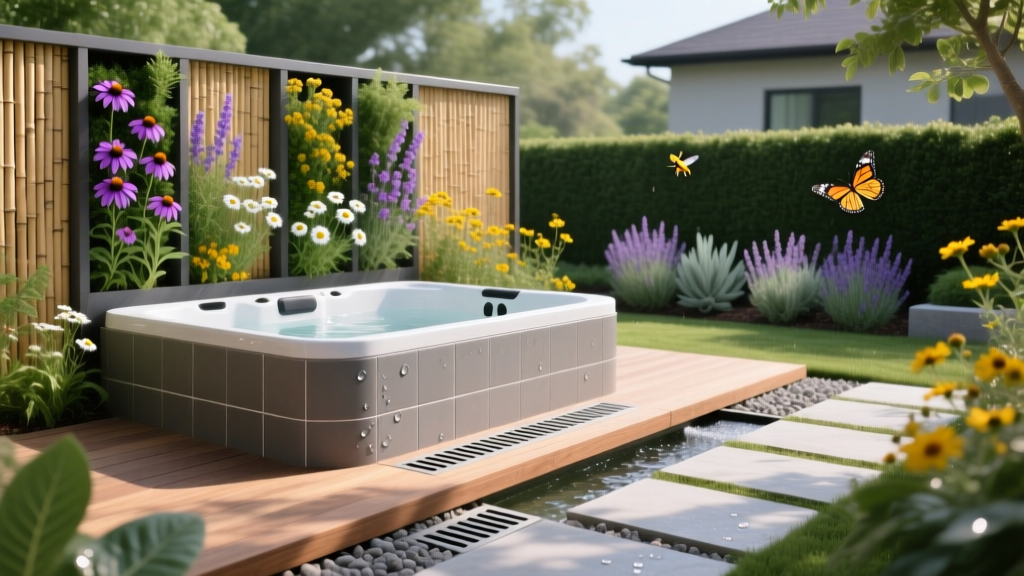
2026 Hot Tub Privacy Screens & Pollinator Drainage Tips
Lisa ThompsonPublished
Creating the Ultimate Eco-Friendly Hot Tub Oasis in 2026
In 2026, the ultimate luxury in home and garden design is not just about creating a beautiful space, but about creating a space that coexists harmoniously with nature. As outdoor living continues to evolve, homeowners are increasingly seeking ways to integrate high-end amenities like hot tubs into their landscapes without sacrificing ecological integrity. A major trend this year is the fusion of spa-like privacy with pollinator-friendly garden design. However, installing a hot tub introduces two significant landscaping challenges: managing chemical or saltwater runoff and establishing a dense, natural privacy screen that thrives in a moist environment.
Designing a hot tub area that protects local ecosystems requires careful planning. Traditional privacy fences can feel imposing and offer zero ecological value, while improper drainage can lead to waterlogged soil or toxic runoff that devastates local bee and butterfly populations. By utilizing native, nectar-rich plants for your privacy screen and implementing smart, permeable drainage systems, you can create a secluded, relaxing retreat that actively supports your local environment. This comprehensive guide will walk you through the best practices for hot tub landscaping, focusing on pollinator health, advanced drainage planning, and the latest 2026 outdoor living technologies.
The Drainage Dilemma: Protecting Pollinators from Runoff
Hot tubs require regular draining, backwashing, and occasional splashing. If your hot tub is treated with chlorine, bromine, or high levels of salt, this water is highly toxic to pollinators, soil microbiomes, and native plants. According to the Xerces Society for Invertebrate Conservation, even trace amounts of common water treatments and landscape pesticides can severely impair the foraging and navigational abilities of native bees and butterflies. Therefore, directing hot tub runoff directly into a pollinator garden or a natural storm drain is a critical mistake.
To solve this, modern landscape architects in 2026 are utilizing closed-loop drainage systems and bioswales. The goal is to capture the splash-out and drain water, filter it naturally or route it safely away from sensitive planting beds, and manage the heavy water load that occurs during a full tub drain.
Eco-Friendly Drainage Solutions
- Permeable Paver Bases: Instead of pouring a solid concrete pad, install your hot tub on a reinforced permeable paver system, such as the Belgard Aqua Roc series. These pavers allow rainwater and minor splash-out to percolate into a crushed stone sub-base, reducing surface pooling and preventing mosquito breeding grounds.
- French Drains to Dry Wells: For scheduled hot tub draining, connect a dedicated PVC drainage line to a subterranean dry well filled with gravel. This allows the water to slowly percolate into the deep water table, bypassing the topsoil where pollinator larvae and native plant roots reside.
- Rain Gardens for Clean Runoff: If you have a secondary water feature or clean rainwater runoff from the hot tub pergola, route it into a pollinator-friendly rain garden. The EPA's Green Infrastructure guidelines highly recommend rain gardens for managing stormwater while creating vital micro-habitats for local wildlife.
Best Pollinator-Friendly Privacy Screens for Hot Tubs
Ditch the vinyl fencing and the ecologically barren Leyland cypress. A true 2026 outdoor oasis uses living walls of native shrubs and tall perennials to create a lush, fragrant, and highly effective privacy screen. When selecting plants to surround a hot tub, you must choose species that can tolerate high humidity, occasional splashing, and the specific light conditions of your yard, all while providing nectar, pollen, and host foliage for pollinators.
Below is a comparison chart of the top native plants recommended for hot tub privacy screens, based on their mature height, density, and ecological value.
| Plant Species | Mature Height | Privacy Density | Target Pollinators | Moisture Tolerance |
|---|---|---|---|---|
| Buttonbush (Cephalanthus occidentalis) | 6-12 ft | High (Dense branching) | Native bees, butterflies, hummingbirds | Excellent (Loves wet soil) |
| Inkberry Holly (Ilex glabra) | 5-8 ft | Very High (Evergreen) | Early-season bees, birds (berries) | High |
| Joe Pye Weed (Eutrochium purpureum) | 5-7 ft | Medium (Airy, tall screen) | Swallowtails, monarchs, native bees | High |
| New Jersey Tea (Ceanothus americanus) | 3-4 ft | Medium (Dense shrub) | Specialist bees, hummingbirds | Moderate (Drought tolerant once established) |
| Swamp Milkweed (Asclepias incarnata) | 3-5 ft | Low-Medium (Clustered) | Monarch butterflies (Host plant) | Excellent |
Designing the Living Wall
To create a year-round privacy screen, layer your plantings. Use evergreen shrubs like Inkberry Holly as the foundational backdrop. This ensures that even in the dead of winter, your hot tub remains secluded from neighbors. In front of the evergreens, plant moisture-loving deciduous shrubs like Buttonbush, which produces stunning, spherical white flowers in mid-summer that are absolute magnets for native bees. Finally, edge the hot tub hardscaping with Swamp Milkweed and Joe Pye Weed. These tall perennials will soften the hardscape edges, provide a fragrant aroma when the hot water heats the surrounding air, and serve as critical host plants for migrating monarch butterflies.
Integrating Smart Technology for Irrigation and Drainage
A major hallmark of 2026 garden design is the seamless integration of smart home technology to manage water resources efficiently. Because your hot tub privacy screen consists of moisture-loving plants, it is easy to accidentally overwater them, leading to root rot and fungal diseases that can ruin your oasis.
Install a smart irrigation controller, such as the Rachio 4 or the Hunter Hydrawise Pro, paired with wireless soil moisture sensors placed directly in the root zones of your Buttonbush and Inkberry Holly. These 2026 smart controllers utilize hyper-local weather data and real-time soil telemetry to ensure your living privacy screen receives exactly the amount of water it needs, and not a drop more. Furthermore, you can integrate smart leak-detection valves on your hot tub's main plumbing line. If a leak occurs, the system automatically shuts off the water supply and sends an alert to your smartphone, preventing thousands of gallons of chemically treated water from flooding your carefully designed pollinator garden.
Step-by-Step Implementation Guide
Ready to transform your backyard? Follow these steps to execute your pollinator-friendly hot tub landscape:
- Site Grading and Base Preparation: Excavate the hot tub area and grade the soil with a gentle 2% slope away from the tub and away from your primary pollinator planting beds. Install your crushed stone sub-base and permeable pavers.
- Install the Drainage Catchment: Trench a line from the hot tub's drain valve to a dry well or a municipal storm drain (check local 2026 codes regarding chemically treated water disposal). Ensure the trench is lined with landscape fabric and filled with washed gravel.
- Amend the Soil: Native pollinator plants generally prefer unamended, native soil. However, if your yard is heavily compacted clay, top-dress the planting areas with a thin layer of organic compost to encourage deep root growth without creating a nutrient overload that favors weeds.
- Plant and Mulch: Plant your layered privacy screen according to the mature widths listed in the table above. Apply a 2-inch layer of undyed, natural hardwood mulch to retain moisture and suppress weeds. Avoid cocoa bean mulch, which is highly toxic to dogs and local wildlife.
- Establish a Maintenance Routine: Commit to a zero-pesticide zone around your hot tub. According to the Pollinator Partnership, maintaining a pesticide-free environment is the single most important step in ensuring the survival of local pollinator populations.
Maintenance Tips for a Thriving Eco-Oasis
Maintaining a living privacy screen requires a different mindset than maintaining a wooden fence. In early spring, delay cutting back dead perennial stalks from your Joe Pye Weed and Milkweed until temperatures are consistently above 50°F. Many native bees and beneficial insects overwinter inside these hollow stems. By waiting, you allow them to emerge and begin pollinating your garden just as your hot tub season kicks into high gear.
Additionally, prune your Inkberry Holly and Buttonbush selectively rather than shearing them into rigid boxes. A natural, slightly wild shape not only looks more organic and relaxing from the vantage point of the hot tub, but it also provides better nesting sites for cavity-nesting birds and insects. By embracing these pollinator-friendly design principles and advanced drainage techniques, your 2026 hot tub landscape will be a private, sustainable sanctuary that nourishes both your soul and the local ecosystem.
