Home & Garden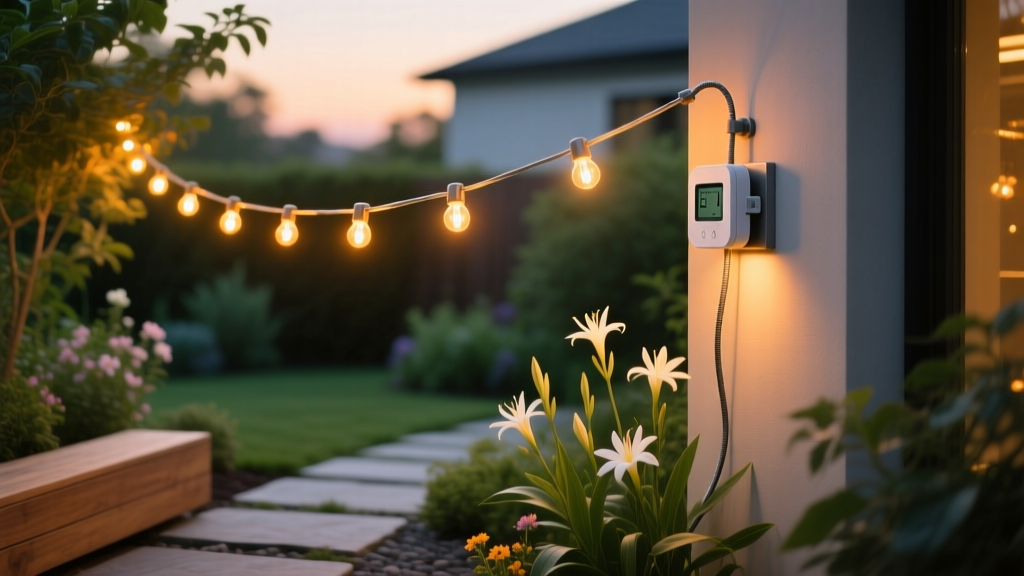
Pollinator-Safe Patio Lights: 2026 Guide Wire & Timer Setup
Lisa ThompsonPublished
Bridging Outdoor Living and Ecological Stewardship
As we move through 2026, the trend of extending our indoor living spaces into the garden has reached new heights. Homeowners are increasingly investing in outdoor kitchens, lounge areas, and ambient lighting to enjoy their yards well into the evening. However, as our outdoor living spaces expand, so does our ecological footprint. Artificial Light At Night (ALAN) is a growing concern for environmentalists and gardeners alike, particularly those dedicated to pollinator-friendly garden design. Installing outdoor string lights using a suspended guide wire and a smart timer is the premier solution for balancing human enjoyment with the vital needs of nocturnal pollinators like moths, bats, and night-flying bees.
The Hidden Ecological Cost of Outdoor Lighting
When we illuminate our patios and pathways late into the night, we inadvertently disrupt the circadian rhythms of local wildlife. According to DarkSky International, excessive outdoor lighting disorients nocturnal insects, making them vulnerable to predators and reducing their ability to forage and reproduce. Moths, which are crucial pollinators for many native plants and agricultural crops, are particularly susceptible to light pollution. They often exhaust themselves circling bright fixtures instead of visiting night-blooming flowers.
Furthermore, the The Xerces Society emphasizes that preserving dark corridors in our gardens is essential for the survival of these unsung heroes of the ecosystem. By utilizing specific lighting techniques—namely, warm-colored bulbs, physical guide wires, and automated shut-off timers—we can create inviting outdoor spaces that do not compromise the health of our local pollinator populations.
Why Guide Wires Protect Tree Health and Ground Nesters
A common mistake in DIY outdoor lighting is wrapping string lights directly around tree trunks or draping them over delicate shrubbery. From a pollinator-friendly perspective, this practice is highly detrimental. Many native bee species are ground-nesters or rely on decaying wood and tree cavities for habitat. Wrapping wires tightly around trees can girdle the bark, damaging the cambium layer and inviting pests and diseases that degrade these crucial nesting sites.
Using a suspended steel guide wire solves this problem elegantly. By anchoring guide wires to dedicated wooden posts, the side of your home, or existing hardscape features, you keep the lighting infrastructure entirely above the garden floor. This prevents soil compaction from installation foot traffic, protects the root zones of sensitive pollinator plants, and ensures that tree bark remains untouched and healthy.
Choosing the Right Bulbs: 2026 Pollinator-Safe Standards
Not all light is created equal when it comes to insect navigation. Insects are highly sensitive to blue and ultraviolet light spectrums, which are prevalent in cool-white and daylight LEDs. To minimize ecological disruption, the U.S. Department of Energy and conservationists recommend using warm, amber-hued LEDs with a color temperature of 2200K or lower. These bulbs provide ample illumination for human gatherings while remaining largely invisible or unobtrusive to most pollinators.
| Bulb Type (2026 Models) | Color Temperature | Pollinator Impact | Energy Efficiency | Avg. Cost (48ft Strand) |
|---|---|---|---|---|
| Amber LED (Edison Style) | 2200K | Very Low (Recommended) | High (2W per bulb) | $55 - $75 |
| Warm White LED | 2700K | Moderate | High (2W per bulb) | $45 - $60 |
| Cool White LED | 4000K+ | Severe Disruption | High (2W per bulb) | $40 - $55 |
| Vintage Incandescent | 2400K | Low (but high heat) | Very Poor (40W+ per bulb) | $30 - $45 |
Essential Hardware for Guide Wire Installation
To ensure your string lights remain taut, safe, and do not sag into your pollinator-friendly flower beds, you need the right hardware. Commercial-grade string lights are heavy, especially when spanning distances over 20 feet. Relying solely on the light strand's internal wiring will eventually lead to wire fatigue and breakage. For a professional, eco-conscious setup, gather the following materials:
- Galvanized Steel Aircraft Cable (1/16-inch): Rust-resistant and strong enough to support heavy commercial light strands without stretching.
- Turnbuckles: Essential for applying tension to the guide wire after installation.
- Eye Bolts and Screw Eyes: For anchoring the cable to wooden posts or structural beams.
- Wire Rope Clips (Cable Clamps): To secure the loops at the ends of the guide wire.
- Zip Ties or Carabiners: For attaching the string light cord to the steel guide wire at 12-inch intervals.
- Matter-Compatible Outdoor Smart Plug: For seamless integration with 2026 smart home ecosystems and automated pollinator-safe scheduling.
Step-by-Step Installation Guide
Step 1: Mapping the Route and Anchoring Points
Before drilling any holes, map out your lighting route. Identify sturdy anchor points such as the eaves of your home, pergola beams, or dedicated 4x4 wooden posts set in concrete. Avoid using living trees as anchor points to protect their bark and the insect habitats they harbor. Measure the total distance and add 10% to account for the sag and the loop-back required for the wire clamps.
Step 2: Installing the Steel Guide Wire
Install your eye bolts or screw eyes at your designated anchor points. Thread the 1/16-inch galvanized steel cable through the first eye bolt, loop it back on itself, and secure it with two wire rope clips. At the opposite end, attach your turnbuckle to the second eye bolt, thread the cable through the turnbuckle's eye, loop it back, and secure it with clips. Use a wrench to tighten the turnbuckle until the steel cable is taut and produces a low musical twang when plucked.
Step 3: Mounting the Lights
Plug in your commercial-grade 2200K amber string lights to test them before hoisting them up. Starting at one end, use UV-resistant zip ties or small carabiners to attach the light strand's main cord to the steel guide wire every 12 to 18 inches. Never attach the zip ties to the individual bulb sockets, as this can strain the wiring and cause weather-seal failures. Leave a small amount of slack between attachment points to allow for wind movement.
Step 4: Configuring the Smart Timer for Pollinator Protection
The final and most crucial step for the eco-conscious gardener is ensuring the lights do not burn all night. Plug your string lights into a 2026 Matter-compatible outdoor smart plug. Using your smart home hub (such as Apple HomeKit, Amazon Alexa, or Google Home), create an automated routine. Set the lights to turn on at dusk to provide ambiance for your evening meals, but program a hard shut-off at 10:30 PM. This specific timing allows human enjoyment during peak outdoor hours while returning the garden to darkness in time for the peak foraging hours of nocturnal moths and bats.
Night-Blooming Plant Pairings
To fully embrace the pollinator-friendly garden design, pair your new amber lighting setup with plants that thrive and bloom in the evening. By turning your lights off at 10:30 PM, you create a dark sanctuary that encourages night-flying insects to visit these specific flora:
- Evening Primrose (Oenothera biennis): Opens at dusk and emits a sweet lemon scent that attracts sphinx moths.
- Moonflower (Ipomoea alba): Features large, reflective white blooms that are highly visible to moths in low-light conditions.
- Flowering Tobacco (Nicotiana sylvestris): Releases a powerful jasmine-like fragrance at night, drawing in a variety of nocturnal pollinators.
- Yucca and Agave: In warmer climates, these rely heavily on night-flying moths and bats for pollination.
Conclusion
Designing an outdoor living space in 2026 requires a thoughtful balance between human comfort and environmental responsibility. By installing outdoor string lights on a dedicated guide wire, you protect the structural integrity of your trees and the nesting grounds of native bees. By selecting 2200K amber LEDs and enforcing a strict smart-timer shut-off schedule, you actively reduce light pollution, safeguarding the vital nocturnal pollinators that keep our ecosystems thriving. With the right hardware and a commitment to ecological stewardship, your patio can remain a beautiful, inviting retreat that respects the natural rhythms of the garden.
