Home & Garden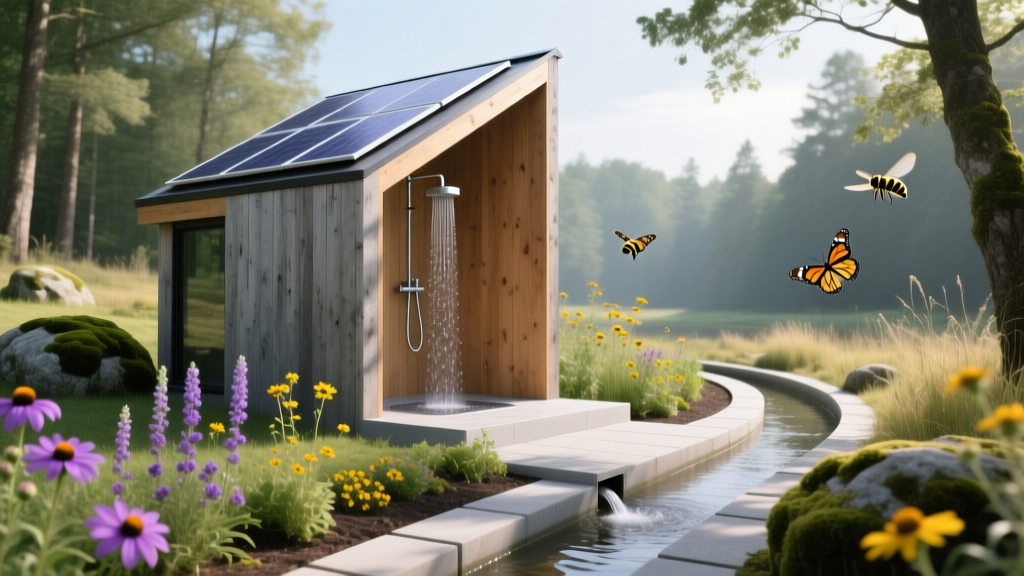
Best Solar Outdoor Shower Enclosures 2026 For Pollinator Yards
Sarah ChenPublished
Merging Luxury and Ecology: The 2026 Solar Shower Trend
As we navigate the landscaping trends of 2026, the intersection of luxury outdoor living and ecological stewardship has never been more prominent. Homeowners are increasingly seeking ways to enjoy resort-style amenities without compromising their local ecosystems. One of the most exciting developments in this space is the integration of solar-heated outdoor shower enclosures within pollinator-friendly garden designs. By harnessing the sun’s thermal energy and carefully managing water runoff, you can create a private, spa-like oasis that actively supports native bees, butterflies, and other vital pollinators.
According to the U.S. Department of Energy, modern solar water heating systems have seen massive efficiency gains, making them viable even in temperate climates. When paired with a thoughtfully designed enclosure and a botanical greywater filtration system, your outdoor shower becomes more than just a place to rinse off after gardening; it becomes a functional, life-sustaining node in your backyard habitat.
Choosing the Right Solar-Heated System
When selecting a solar heating system for an outdoor shower, you generally have two choices: standalone solar shower towers or roof-mounted flat-plate solar thermal collectors. For a pollinator garden, minimizing the physical footprint and avoiding extensive trenching is crucial to protect ground-nesting bees, which comprise roughly 70% of native bee species.
Standalone Solar Thermal Towers: These are the most popular choice for 2026 garden integrations. Typically constructed from dark-colored, UV-stabilized HDPE (High-Density Polyethylene), these 5-to-10-gallon columns absorb solar radiation to heat the water inside. They require zero electricity and minimal plumbing. Because they stand vertically, they cast a small shadow footprint, ensuring your sun-loving pollinator plants receive the light they need.
Flat-Plate Solar Collectors: If you are building a permanent, roofed enclosure, a small flat-plate collector mounted on the southern-facing roof can provide on-demand hot water via a thermosiphon system. While more complex to install, this method keeps the ground level entirely clear for native plantings and insect habitats.
Pollinator-Safe Enclosure Materials
The materials you choose for your shower enclosure directly impact the surrounding soil chemistry and insect health. Traditional pressure-treated lumber often contains copper-based preservatives. While modern treatments are safer than the arsenic-based compounds of the past, copper runoff can still be toxic to aquatic invertebrates and can alter the soil microbiome that native plants rely on.
Instead, opt for naturally rot-resistant woods like Western Red Cedar or Black Locust. These woods contain natural oils that resist decay and insect damage without leaching synthetic chemicals into your garden beds. Alternatively, composite lumber made from 100% recycled HDPE plastics offers a zero-maintenance, chemical-free barrier that will not warp or splinter in the humid microclimate of a shower enclosure.
The Greywater Challenge: Protecting Ground-Nesting Bees
The most critical aspect of placing an outdoor shower in a pollinator garden is managing the greywater. Soaps, shampoos, and body washes contain surfactants, salts, and synthetic fragrances that can devastate local insect populations and alter soil pH, making it inhospitable for native flora. The Xerces Society for Invertebrate Conservation emphasizes that maintaining pristine soil and water conditions is paramount for pollinator health.
To safely integrate a shower into your garden, you must implement a greywater bioswale. A bioswale is a shallow, vegetated depression that captures, filters, and slowly percolates water into the ground. By using only biodegradable, phosphate-free, and low-sodium soaps (such as pure castile soap), the bioswale’s microbial activity will break down the mild surfactants before they reach the root zones of your sensitive plants or the nesting sites of ground-dwelling bumblebees.
Pollinator-Safe Greywater Bioswale Plants
Not all plants can tolerate the occasional influx of greywater. Below is a curated table of native plants that thrive in bioswales, tolerate mild soap residue, and provide immense value to local pollinators.
| Plant Species | Common Name | Greywater Tolerance | Pollinator Value |
|---|---|---|---|
| Asclepias incarnata | Swamp Milkweed | High | Essential host plant for Monarch butterfly caterpillars; rich nectar source. |
| Hibiscus moscheutos | Swamp Rose Mallow | High | Attracts specialized native bees and hummingbirds with large, pollen-rich blooms. |
| Verbena hastata | Blue Vervain | Moderate-High | Highly attractive to a wide variety of native bees and beneficial wasps. |
| Cephalanthus occidentalis | Buttonbush | Very High | Shrub that provides nectar for butterflies and seeds for waterfowl. |
| Iris versicolor | Blue Flag Iris | High | Excellent for structural bioswale filtration; attracts long-tongued bees. |
Designing a Living Privacy Screen
Rather than building four solid walls that block airflow and create a sterile box, design your enclosure to incorporate living privacy screens. A trellis system integrated into the shower’s framing allows you to grow native vines that provide seclusion while offering foraging opportunities for pollinators.
Recommended Native Vines:
- Passionflower (Passiflora incarnata): A stunning, fast-growing vine that serves as the host plant for the Gulf Fritillary butterfly. Its complex, striking flowers are highly attractive to large bees.
- Coral Honeysuckle (Lonicera sempervirens): Unlike the invasive Japanese honeysuckle, this native variety is well-behaved and produces tubular red flowers that are a magnet for hummingbirds and butterflies.
- Virginia Creeper (Parthenocissus quinquefolia): Excellent for rapid shade and privacy, providing late-season berries for birds and serving as a host for several moth species.
Position these vines on the eastern and western sides of the enclosure to provide privacy while leaving the southern exposure clear for the solar thermal unit to capture maximum sunlight.
Step-by-Step Installation Guide
Follow these steps to install your solar shower while preserving the ecological integrity of your garden.
- Site Selection and Sun Mapping: Choose a location that receives at least 6 to 8 hours of direct, unfiltered sunlight between 10 AM and 4 PM to ensure your solar thermal unit reaches optimal temperatures. Ensure the site is at least 10 feet away from major tree trunks to avoid damaging critical root zones.
- Shallow Trenching for Supply Lines: If you are connecting a cold-water supply from your home, use a narrow trenching method. Keep trenches as shallow and narrow as possible to avoid severing the mycorrhizal fungal networks that connect and nourish your garden’s plant life.
- Excavating the Bioswale: Dig a shallow, meandering depression (about 12 inches deep and 24 inches wide) leading away from the shower base. Line the bottom with a 2-inch layer of coarse gravel, followed by a mix of native soil and compost. Plant your selected bioswale species along the edges.
- Laying the Shower Base: Avoid pouring a solid concrete slab, which creates an impermeable barrier and ruins the soil beneath. Instead, use a base of compacted crushed gravel or elevated wooden duckboards made from untreated cedar. This allows incidental splashes to percolate naturally.
- Mounting the Solar Unit and Trellis: Secure your cedar or composite enclosure framing. Mount the solar thermal tower or flat-plate collector according to the manufacturer's specifications, ensuring it is angled toward the equator (south in the Northern Hemisphere) at an angle roughly equal to your local latitude for maximum 2026 solar gain.
Seasonal Maintenance and Eco-Conscious Care
Maintaining a solar shower in a pollinator garden requires a departure from harsh chemical cleaners. To clean the solar collector panels or HDPE towers, use only a soft cloth and a mixture of water and white vinegar. Chemical glass cleaners or abrasive soaps can wash off during the next rainstorm and introduce toxins into your garden beds.
As winter approaches, it is vital to properly winterize the system to prevent freezing and cracking. Drain all water from the solar tower and supply lines. If you have planted perennial natives around your bioswale, leave their dried stems and seed heads standing through the winter. As the EPA WaterSense program and various ecological experts note, these hollow stems provide essential overwintering habitat for native bee larvae and solitary wasps, ensuring your garden remains a thriving pollinator sanctuary year after year.
By thoughtfully integrating a solar-heated outdoor shower into your landscape, you are not just elevating your home’s outdoor living experience; you are making a profound commitment to the local ecosystem. The careful selection of materials, the implementation of a botanical greywater bioswale, and the use of living privacy screens transform a simple amenity into a vibrant, life-supporting garden feature for 2026 and beyond.
