Home & Garden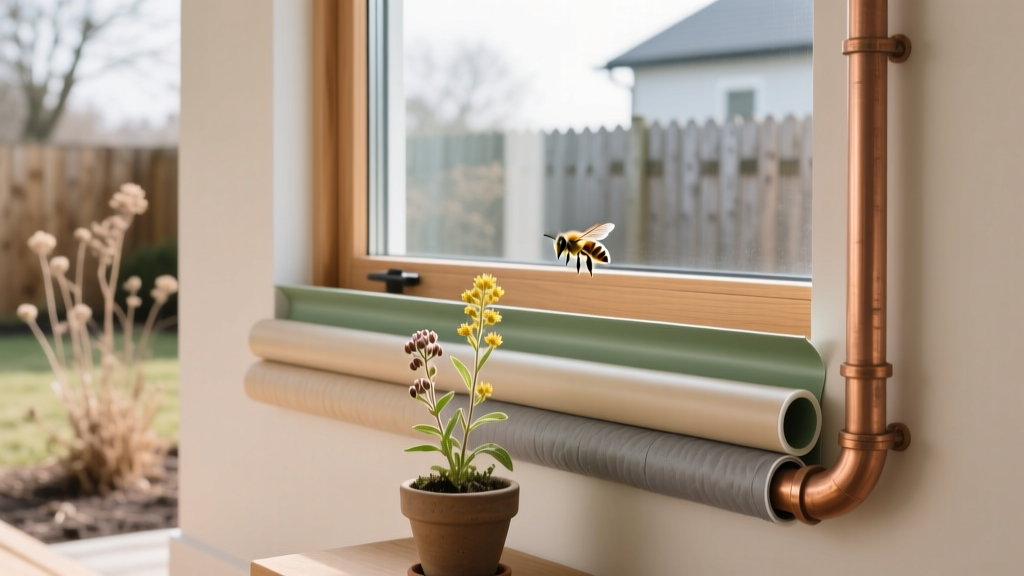
2026 Eco Winterization: Weatherstrip & Insulate for Pollinators
Lisa ThompsonPublished
The Intersection of Home Winterization and Pollinator Health
As the autumn chill settles in late 2026, homeowners are rushing to seal drafts, insulate outdoor plumbing, and prepare their properties for freezing temperatures. However, traditional winterization methods often overlook a critical component of the backyard ecosystem: overwintering pollinators. When we view home maintenance through the lens of pollinator-friendly garden design, the exterior of your house, your foundation, and your outdoor garden structures become extensions of the habitat you have worked so hard to cultivate.
Many conventional weatherstripping adhesives and expanding spray foams contain volatile organic compounds (VOCs) and toxic propellants. During winter thaws, chemical runoff from these materials can leach into the adjacent garden soil, contaminating the nesting sites of native solitary bees and hibernating bumblebee queens. Furthermore, indiscriminately sealing every crack and crevice around your home's foundation can inadvertently trap or destroy crucial overwintering refuges. In 2026, sustainable home maintenance means bridging the gap between energy efficiency and ecological stewardship, ensuring your winterization efforts protect both your indoor comfort and your outdoor pollinator populations.
The Hidden Link Between Drafty Homes and Garden Ecology
According to The Xerces Society for Invertebrate Conservation, the majority of native bee species in North America are ground-nesting or cavity-nesting. Bumblebee queens often seek out undisturbed leaf litter, abandoned rodent burrows, and sheltered crevices near building foundations to hibernate through the winter. Solitary bees, such as mason bees and leafcutters, overwinter as pupae in hollow plant stems or pre-existing holes in untreated wood, including garden sheds and exterior fascia boards.
When homeowners use cheap, chemical-laden weatherstripping or polyurethane spray foams to seal the perimeter of their homes, they introduce toxins directly into the micro-habitats these insects rely on. The Environmental Protection Agency (EPA) notes that many sealing products off-gas VOCs that can degrade local soil and water quality. By selecting pollinator-safe, non-toxic materials for your 2026 winterization projects, you prevent chemical runoff from poisoning the very soil that sustains your garden's spring pollinators.
Choosing Pollinator-Safe Weatherstripping for Doors and Windows
Weatherstripping is essential for reducing heat loss, but the materials you choose matter immensely for the surrounding environment. Avoid cheap vinyl V-strips backed with solvent-heavy adhesives. Instead, opt for durable, inert materials that will not leach harmful chemicals into your garden beds when exposed to rain and snow melt.
1. 100% Silicone Weatherstripping
Silicone is highly durable, temperature-resistant, and chemically inert once cured. For sealing window frames and door jambs that sit directly above garden beds, 100% silicone tubular gaskets are the gold standard for 2026. They do not off-gas harmful plasticizers, and any moisture that runs off them into the soil below is entirely safe for ground-nesting bees. Look for silicone strips with mechanical fasteners or water-based, non-toxic adhesive backings.
2. EPDM Rubber with Eco-Adhesives
EPDM (Ethylene Propylene Diene Monomer) rubber is a synthetic rubber that is highly resistant to UV rays and extreme cold. It is an excellent choice for the bottom of exterior doors and garden shed entrances. Ensure that the EPDM product you purchase uses a water-based acrylic adhesive rather than a solvent-based contact cement. This prevents toxic fumes from harming insects resting near the door sweeps.
3. Natural Wool Draft Stoppers
For interior doors leading to sunrooms, greenhouses, or mudrooms, natural wool draft stoppers are a fantastic, biodegradable option. Wool is a natural insulator, repels moisture, and eventually breaks down into the soil without leaving microplastics behind. In 2026, many eco-conscious brands offer wool stoppers encased in organic cotton, priced between $25 and $35 per unit, providing a sustainable alternative to foam-filled vinyl tubes.
Garden Pipe Insulation: Avoiding the Spray Foam Trap
Outdoor spigots, irrigation lines, and greenhouse pipes are highly susceptible to freezing. The most common DIY mistake is using expanding polyurethane spray foam to seal gaps around pipe penetrations or to insulate outdoor fixtures. Spray foam is a disaster for pollinator habitats. It expands unpredictably, often filling natural cavities in nearby wood or soil, trapping overwintering insects inside. Furthermore, uncured spray foam contains isocyanates, which are highly toxic to both humans and wildlife.
The Eco-Friendly Alternative: Closed-Cell Elastomeric Foam
For insulating outdoor hose bibbs and above-ground garden irrigation pipes, use closed-cell elastomeric foam tubes (commonly known by brand names like Armaflex or Rubatex). This material is formaldehyde-free, PVC-free, and does not leach chemicals into the soil. It comes in pre-slit tubes that easily snap over standard 1/2-inch to 1-inch copper or PEX pipes. Secure the seams with UV-resistant, non-toxic acrylic tape rather than solvent-welding glues.
Insulating Spigots with Natural Wraps
For the outdoor spigot itself, avoid rigid plastic foam covers that can shatter and leave microplastics in your garden. Instead, use insulated fabric spigot covers filled with recycled cotton or wool batting. These breathable, non-toxic covers protect the fixture from freezing winds while allowing the surrounding soil to maintain its natural moisture and gas exchange, vital for the survival of subterranean hibernating queens.
2026 Winterization Materials Comparison
To help you make informed, eco-conscious purchasing decisions this season, refer to the comparison table below detailing the best pollinator-safe winterization materials available in 2026.
| Material | VOC Level | Pollinator Safety | Best Application | 2026 Avg Cost |
|---|---|---|---|---|
| 100% Silicone Gaskets | Zero (Cured) | Excellent | Window frames, door jambs | $14 - $18 / roll |
| EPDM Rubber | Low | Very Good | Bottom of doors, sheds | $12 - $16 / roll |
| Natural Wool Draft Stopper | Zero | Excellent | Interior doors, baseboards | $25 - $35 / unit |
| Closed-Cell Elastomeric Foam | Zero | Excellent | Outdoor spigots, irrigation | $8 - $12 / tube |
| Polyurethane Spray Foam | High (Uncured) | Poor (Traps/Toxic) | Avoid near garden beds | $6 - $10 / can |
Protecting Overwintering Sites During Foundation Sealing
Sealing your home's foundation is critical for preventing heat loss and keeping out rodent pests, but it requires a strategic approach to preserve pollinator habitats. Before applying any non-toxic caulk or mechanical mesh to your foundation vents and sill plates, conduct a visual inspection for signs of native bee activity.
The National Wildlife Federation recommends leaving "wild corners" in your landscape design. If you have a sun-facing, undisturbed patch of soil or a stack of untreated logs near your foundation that serves as a known nesting site, do not seal the immediate perimeter with impermeable barriers. Instead, use hardware cloth (wire mesh) with a 1/4-inch gauge to block rodents while still allowing air flow and small insect movement. This ensures that hibernating bumblebee queens can access their subterranean nests without being entombed by expanding foams or solid rubber seals.
Smart Home Integration for Winter Irrigation Blowouts
Winterizing your irrigation system is another area where technology and ecology intersect. Traditional manual blowouts can sometimes result in localized flooding if valves fail, which can drown overwintering pollinator pupae in the soil by creating anaerobic, waterlogged conditions. In 2026, smart irrigation controllers like the Rachio 4 Pro or the Hydrawise Pro-HC offer automated winterization routines.
These smart controllers can integrate with local weather APIs to trigger automated drain cycles at the precise moment temperatures are predicted to drop below freezing, ensuring pipes empty gradually into designated dry wells or gravel French drains rather than flooding your pollinator-friendly garden beds. By pairing your smart controller with soil moisture sensors, you can ensure that your winter garden beds remain perfectly hydrated but never saturated, providing the ideal microclimate for ground-nesting bees to survive the frost.
Conclusion
Winterizing your home in 2026 does not require sacrificing the health of your garden's ecosystem. By consciously selecting non-toxic weatherstripping, utilizing closed-cell elastomeric pipe insulation, and respecting the overwintering habitats of native pollinators, you create a seamless bridge between indoor comfort and outdoor biodiversity. A truly sustainable home protects its inhabitants from the cold while offering a safe, chemical-free sanctuary for the pollinators that will bring your garden back to life in the spring.
