Home & Garden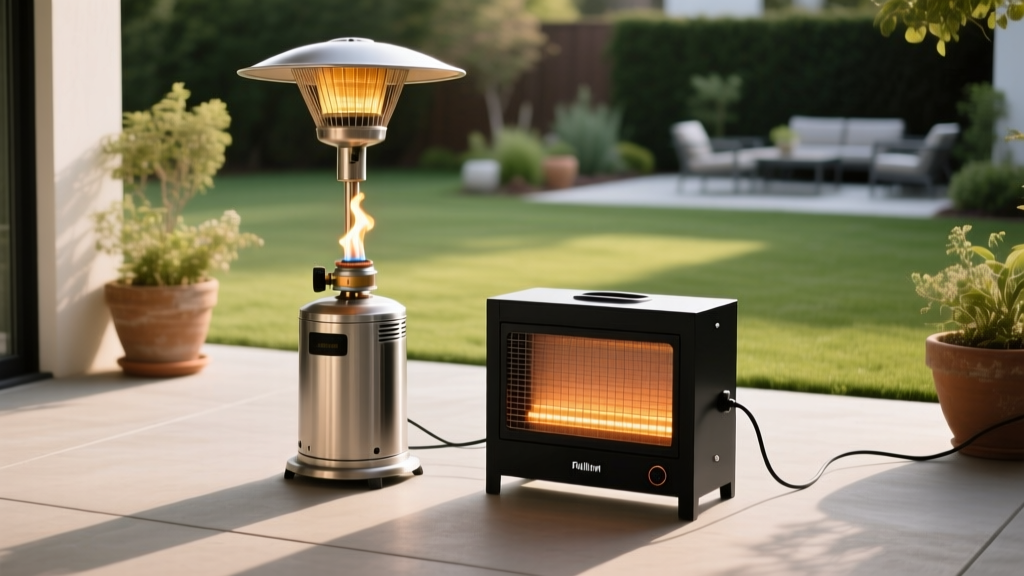
Propane vs Infrared Electric Patio Heaters: 2026 Coverage Guide
Sarah ChenPublished
The Science of Outdoor Heating: A Core Aeration Expert’s Perspective
When homeowners hire me for autumn lawn renovations, the first and most critical step is always core aeration. By extracting precise plugs of soil, we relieve compaction, improve airflow, and create direct channels for water and nutrients to reach the root zone. It is a process defined by precision, efficiency, and a deep respect for the outdoor microclimate. As we transition into the cooler months of 2026, extending your outdoor living season requires the exact same analytical mindset. Choosing the right patio heater is not just about staying warm; it is about optimizing thermal delivery to your seating area without wasting energy or inadvertently damaging the freshly aerated, delicate turf at the edges of your patio.
In the home and garden sector, the debate between traditional propane patio heaters and modern infrared electric heaters is a hot topic. Much like choosing between broadcast spreading fertilizer versus targeted deep-root injection, each heating method has a vastly different footprint, efficiency profile, and impact on your surrounding landscape. In this comprehensive 2026 guide, we will break down the heat coverage, environmental impact, and lawn-safe applications of both systems so you can make an informed decision for your outdoor oasis.
Propane Patio Heaters: The 'Broadcast' Approach to Heat
Propane patio heaters, often recognized by their towering mushroom-shaped domes, operate on a principle of convection and broad radiant heat. A standard 2026 commercial-grade propane heater outputs between 40,000 and 50,000 BTUs, burning liquid propane to heat a metal emitter, which then radiates warmth outward and upward into the surrounding air.
Coverage and Performance
The primary advantage of a propane heater is its sheer volumetric output. It creates a massive thermal envelope, typically covering a 15 to 20-foot radius. If you have a large, open deck or a sprawling stone patio where guests are scattered, a propane heater acts like a broadcast spreader, throwing warmth in every direction. However, because it relies heavily on heating the ambient air, its effectiveness plummets in windy conditions. A mild 10 MPH breeze can easily strip the heat away from your seating zone, sending your expensive propane dollars drifting into the neighborhood.
The Lawn Care Perspective: Soil Desiccation Risks
From a turf management standpoint, propane heaters require careful placement. The intense, omnidirectional heat can rapidly desiccate the topsoil of nearby lawn areas. If you have recently performed core aeration and overseeding in the fall, the seedbed requires consistent moisture to germinate. Placing a 46,000 BTU propane heater too close to the lawn edge can bake the soil surface, crusting over the aeration holes and halting seed germination. Furthermore, the localized emission of water vapor and carbon dioxide can alter the immediate microclimate, encouraging fungal pressures on cool-season grasses if the heat is trapped against dense shrubbery.
Infrared Electric Patio Heaters: The 'Deep-Root' Targeted Approach
Infrared electric heaters represent the pinnacle of targeted outdoor comfort. Instead of wasting energy heating the ambient air—which simply blows away—infrared heaters use quartz or carbon fiber elements to emit electromagnetic radiation. This radiant energy travels through the air unimpeded and only converts into heat when it strikes a solid object, such as your patio furniture, the stone floor, or your skin.
Coverage and Performance
Think of infrared heating like a deep-root liquid fertilization treatment: it delivers the exact resource exactly where it is needed, with zero waste. In 2026, premium infrared models (such as the latest Infratech W-Series or Bromic Tungsten Smart-Heat electric lines) operate between 1,500 and 3,000 watts. While their raw BTU equivalent is lower than propane, their effective heat coverage is remarkably efficient. They provide a directional, focused cone of warmth spanning 8 to 12 feet. Because they heat objects rather than air, they are completely immune to wind, making them the undisputed champions of breezy patios and open-air pergolas.
The Lawn Care Perspective: Microclimate Preservation
For the meticulous lawn enthusiast, infrared electric heaters are a dream. Because the heat is highly directional and can be mounted overhead or angled strictly toward the seating zone, there is virtually zero thermal bleed onto the surrounding turf. Your freshly aerated soil, delicate fall plantings, and sensitive landscape shrubs remain completely unaffected, maintaining the precise moisture levels and soil temperatures required for optimal root development.
2026 Heat Coverage & Efficiency Comparison Matrix
To help you visualize the differences, I have compiled a comparison table based on current 2026 outdoor living standards and energy metrics.
| Feature | Propane Patio Heater (Freestanding) | Infrared Electric Heater (Mounted) |
|---|---|---|
| Energy Output | 40,000 - 50,000 BTUs | 1,500W - 3,000W (approx. 5,000 - 10,000 BTU equivalent) |
| Heat Coverage Radius | 15 to 20 feet (Omnidirectional) | 8 to 12 feet (Directional / Targeted) |
| Wind Resistance | Poor (Heat blows away easily) | Excellent (Heats objects, unaffected by wind) |
| Thermal Efficiency | ~60% (High ambient heat loss) | ~95%+ (Direct object absorption) |
| Impact on Nearby Lawn | High risk of soil drying and turf stress | Negligible (Zero thermal bleed if angled properly) |
| Smart Home Integration | Limited (Manual ignition or basic remotes) | Advanced (Wi-Fi, voice control, motion sensors) |
| Operating Cost (per hour) | $1.50 - $2.50 (Depends on local propane) | $0.45 - $0.90 (Depends on local kWh rates) |
Environmental Impact and Energy Efficiency in 2026
As we look at the broader ecological footprint of our outdoor spaces, energy efficiency is paramount. According to the U.S. Department of Energy, electric resistance and infrared heating systems convert nearly 100% of their energy into heat, making them incredibly efficient at the point of use. When paired with a modern smart home system, infrared heaters can be linked to motion sensors or outdoor thermostats, ensuring they only draw power when guests are actively seated on the patio.
Conversely, burning fossil fuels on your patio carries a direct carbon footprint. Data from the Environmental Protection Agency (EPA) highlights the carbon emissions associated with the combustion of hydrocarbon fuels. While propane burns relatively cleanly compared to wood or charcoal, a single 20-pound tank still produces roughly 40 pounds of CO2. For the eco-conscious gardener who spends hours nurturing a carbon-sequestering lawn and planting native pollinator gardens, offsetting that effort by burning fossil fuels on the patio feels counterintuitive. Infrared electric heaters, especially in regions where the 2026 power grid is increasingly supplemented by solar and wind, offer a vastly greener alternative.
Smart Home Integration: The Future of Patio Comfort
In 2026, your outdoor space should be as intelligent as your indoor living room. Core aeration and modern irrigation rely on smart controllers like Rachio or Hunter Hydrawise to adjust watering schedules based on real-time weather data. Infrared electric heaters seamlessly integrate into this same ecosystem. Using heavy-duty outdoor smart plugs and Wi-Fi enabled relays, you can set your infrared heaters to automatically power down if your local weather station detects high winds or rain. You can even sync your patio heating zones with your landscape lighting, creating automated 'Evening Entertaining' scenes that activate via voice command or geofencing as you pull into the driveway.
Propane heaters, due to the mechanical nature of gas valves and the safety risks of automated combustible gas lines, remain largely tethered to manual operation. While some high-end 2026 propane models feature electronic ignition and basic Bluetooth remotes, they cannot match the seamless, automated, and safe smart-home integration of electric infrared systems.
Final Verdict: Which Heater Fits Your Outdoor Oasis?
Choosing between propane and infrared electric ultimately comes down to your specific patio layout, your local climate, and your dedication to landscape preservation. If you have a massive, unroofed entertainment area where guests wander freely and you lack the electrical infrastructure for high-amperage 240V circuits, a high-quality propane heater remains a viable, high-output option. Just be mindful of its placement relative to your freshly aerated lawn and delicate garden beds to prevent thermal desiccation.
However, for the modern homeowner who values precision, energy efficiency, and the protection of their outdoor microclimate, infrared electric heaters are the superior choice for 2026. They offer wind-proof, targeted warmth that mimics the exact efficiency we strive for in professional lawn care. By treating your patio heating with the same scientific rigor as your soil management, you create an outdoor sanctuary that is comfortable, sustainable, and perfectly harmonious with the thriving landscape that surrounds it.
