Home & Garden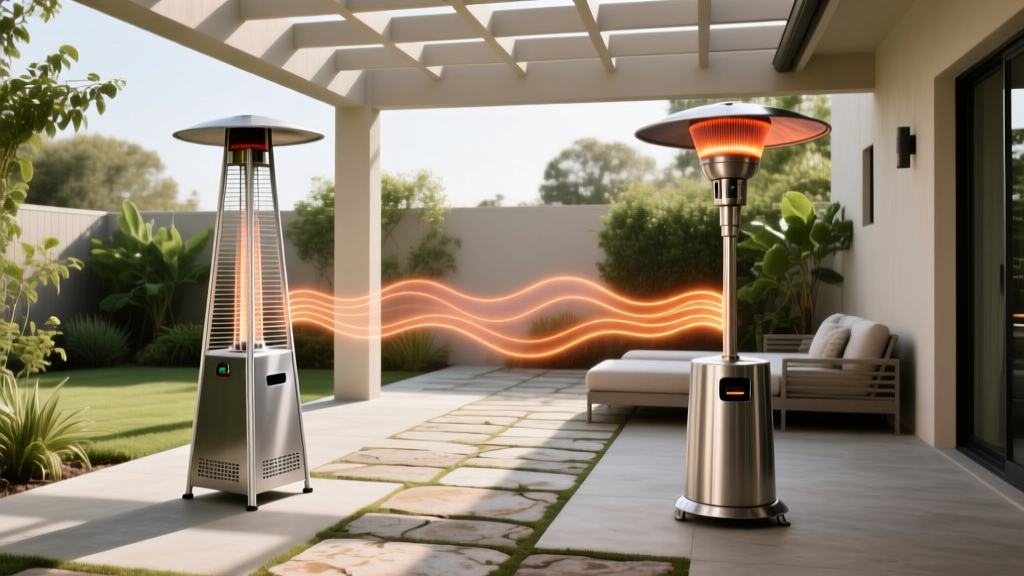
Propane vs Electric Infrared Patio Heaters: 2026 Coverage Guide
Sarah ChenPublished
The Hardscape Reality: Why Heater Choice Matters for Drained Patios
As a landscape drainage contractor, I spend my days buried in trenches, laying perforated landscape drainage pipe, grading permeable pavers, and ensuring water flows away from outdoor living spaces. A beautifully designed patio is useless if it turns into a swamp after a heavy spring rainstorm. However, once the subsurface water management is handled—usually via a network of 4-inch corrugated landscape drainage pipe, French drains, and NDS catch basins—homeowners immediately turn their attention to comfort. In 2026, the biggest debate in outdoor living climate control remains: propane vs. infrared electric patio heaters.
While most consumer reviewers only look at BTU output or modern aesthetics, I evaluate these heating systems through the lens of hardscape preservation, trenching logistics, and how they interact with your yard's critical drainage infrastructure. Improper installation of outdoor utilities can easily crush a newly laid landscape drainage pipe or disrupt the gravel envelope required for proper water percolation. According to guidelines on yard infrastructure from the University of Minnesota Extension, proper yard drainage relies on an undisturbed gravel bed and precise slope grading. In this comprehensive 2026 guide, we will break down the heat coverage, efficiency, and installation realities of both systems, ensuring your patio stays warm without compromising your subsurface drainage network.
Propane Patio Heaters: Broad Coverage and Surface Weight
Propane patio heaters, often recognized by their classic 'mushroom' or pyramid designs, generate radiant heat by burning gas from a concealed 20 lb tank. In 2026, top-tier models like the Fire Sense Commercial Pro Series and the Bromic Portable Gas Heater dominate the market, offering advanced piezo ignition and tilt-shutoff safety features.
Heat Coverage and Performance
Propane heaters excel in broad, omnidirectional heat coverage. A standard 40,000 to 50,000 BTU propane heater will effectively warm a 15 to 20-foot radius, covering approximately 200 to 300 square feet. Because they heat the air and surrounding objects simultaneously, they are ideal for large, open-air pavilions where seating arrangements frequently change.
The Drainage Pipe Perspective: Pros and Cons
- Pro (No Trenching): Because they are entirely self-contained, propane heaters require zero electrical trenching. This is a massive advantage for retrofit patios where the landscape drainage pipe is already buried and backfilled. You won't risk accidentally slicing into a PVC SDR 35 drain line with a trenching saw.
- Con (Surface Weight and Grates): A full propane heater can weigh over 70 lbs. If placed directly over a permeable paver system or a flush-mount channel drain grate, the concentrated weight can cause paver settling or crack plastic drain grates over time.
- Con (Wind Vulnerability): Propane heaters lose significant efficiency in windy conditions, as the ambient heat is easily blown away before it reaches the patio seating zone.
Infrared Electric Patio Heaters: Precision Coverage and Trenching
Infrared electric heaters have evolved dramatically by 2026. Utilizing short-wave or medium-wave infrared technology, models like the Bromic Tungsten Smart-Heat Electric and the Infratech Flush Mount series provide intense, directional warmth. The U.S. Department of Energy notes that radiant electric heating transfers heat directly to objects and people rather than heating the surrounding air, making it incredibly efficient for breezy, open-air environments.
Heat Coverage and Performance
Unlike the omnidirectional spread of propane, infrared electric heaters provide highly directional, targeted coverage. A standard 6,000-watt (20,400 BTU equivalent) dual-element infrared heater will comfortably cover a 10 by 12-foot zone (120 square feet) directly beneath or in front of it. To cover a large patio, you must install multiple units in a grid or overlapping pattern, often integrated into smart home systems for zone-specific climate control.
The Drainage Pipe Perspective: Pros and Cons
- Pro (Zero Surface Obstruction): Because they are wall-mounted or ceiling-recessed, infrared heaters keep the patio floor entirely clear. This means zero interference with surface channel drains, catch basin grates, or the natural slope required to move water toward your landscape drainage pipe inlets.
- Pro (Wind Resistance): Short-wave infrared penetrates wind effortlessly, maintaining consistent heat coverage regardless of weather conditions.
- Con (Trenching Logistics): Electric heaters require dedicated 240V circuits. Trenching from the main panel to the patio structure requires extreme care. If your trench path intersects the gravel bed of your French drain, you must route the electrical conduit above or parallel to the landscape drainage pipe, never inside the same aggregate bed, to prevent future maintenance nightmares.
2026 Head-to-Head Comparison Chart
| Feature | Propane Patio Heaters (2026 Models) | Infrared Electric Heaters (2026 Models) |
|---|---|---|
| Heat Coverage Type | Omnidirectional (15-20 ft radius) | Directional / Targeted (10x12 ft zone per unit) |
| Total Square Footage | 200 - 300 sq. ft. per unit | 100 - 150 sq. ft. per unit (requires multiples) |
| Wind Resistance | Low (heat dissipates in breeze) | High (radiant waves penetrate wind) |
| Impact on Drainage Pipe | None (no subsurface trenching required) | High (requires careful conduit routing around drains) |
| Surface Obstruction | High (heavy base blocks floor space) | None (wall or ceiling mounted) |
| Smart Home Integration | Limited (mostly manual or basic remotes) | Advanced (Wi-Fi, app control, automated zoning) |
| Operating Cost (Est.) | ~$1.50 - $2.50 per hour (propane refills) | ~$0.60 - $0.90 per hour (based on local kWh rates) |
Routing Utilities Around Your Landscape Drainage Pipe
If you opt for the superior wind resistance and smart-home integration of infrared electric heaters, you will need to run electrical conduit to your patio cover or pergola. As a drainage specialist, I cannot stress this enough: never share a trench with your landscape drainage pipe.
When we install a French drain, we dig a trench, line it with filter fabric, add a base layer of washed gravel, lay the perforated landscape drainage pipe, and cover it with more gravel before backfilling with soil. This gravel envelope is what allows water to percolate into the pipe. If you run PVC electrical conduit through this exact same gravel bed, you create a solid barrier that disrupts water flow and makes it impossible to snake or clean the drain pipe in the future.
Best Practices for 2026 Hardscape Integration
- Separate Trenches: Dig a completely separate trench for your electrical conduit, maintaining at least 12 inches of horizontal separation from your landscape drainage pipe.
- Crossing Paths: If the electrical conduit must cross over the drainage line, route the conduit above the pipe. Ensure the conduit is bedded in sand, not sharp gravel, to protect the electrical casing, while preserving the structural integrity of the drain pipe below.
- Catch Basin Awareness: Map out all NDS catch basins and downspout tie-ins before cutting into any concrete or paver edges to mount electrical junction boxes. Hitting a sub-surface drain junction box with a masonry saw is a costly mistake.
Safety and Maintenance in Damp Environments
Outdoor living spaces are inherently exposed to the elements, making safety a paramount concern when mixing electricity, gas, and water runoff. The U.S. Consumer Product Safety Commission emphasizes the importance of proper clearance and maintenance for all outdoor heating appliances to prevent fire hazards and carbon monoxide risks.
For propane heaters, ensure the exhaust top is at least 36 inches away from any combustible pergola roofing. More importantly from a drainage perspective, never store spare propane tanks in low-lying areas of your yard where water pools after a storm; the constant moisture will rapidly corrode the tank valves and bases. For infrared electric heaters, ensure your electrician installs GFCI breakers at the main panel, as outdoor humidity and occasional blowing rain can introduce moisture into the fixtures. Furthermore, ensure that the downspout outputs connected to your landscape drainage pipe are directed well away from the exterior wall where your electric heater's junction box is mounted.
Final Verdict: Which is Best for Your Patio?
The choice between propane and infrared electric patio heaters in 2026 ultimately depends on your patio's layout, your willingness to trench, and your existing landscape drainage pipe infrastructure.
Choose Propane if you have a large, open patio with flexible seating, and you want to avoid the hassle and expense of trenching electrical lines through an already finished hardscape. It is the safest bet for preserving your subsurface drainage systems, provided you keep the heavy bases away from delicate channel drain grates.
Choose Infrared Electric if you have a covered pergola, experience high winds, and want precise, app-controlled heat zones. While it requires careful planning to route conduit around your landscape drainage pipe, the lack of floor obstruction and superior energy efficiency make it the premium choice for modern, high-end outdoor living spaces. Whichever you choose, always respect the subsurface water management systems that keep your patio dry, stable, and ready for year-round enjoyment.
