Home & Garden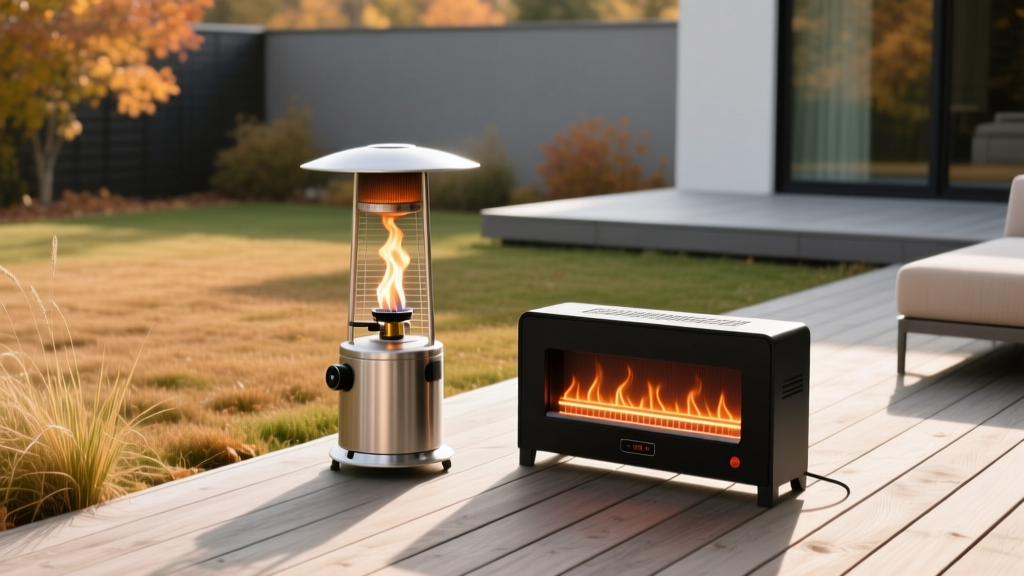
Propane vs Infrared Electric Patio Heaters: 2026 Coverage Guide
Robert HayesPublished
The Fall Lawn Care Dilemma: Aeration, Seeding, and Chilly Evenings
For homeowners dedicated to achieving a lush, carpet-like turf, early autumn is the most critical season of the year. This is the prime window for core aeration and overseeding cool-season grasses like Kentucky Bluegrass, Tall Fescue, and Perennial Ryegrass. According to the University of Minnesota Extension, fall aeration alleviates soil compaction and allows vital oxygen, water, and nutrients to reach the root zone just before winter dormancy. When paired with overseeding, this process ensures thick, weed-resistant growth by the following spring.
However, there is a catch: newly aerated and seeded lawns require strict protection. Foot traffic can disrupt seed-to-soil contact, crush fragile germinating shoots, and compact the freshly pulled soil cores. The golden rule of fall seeding is to keep off the grass for at least three to four weeks. This means your outdoor relaxation must be confined to your hardscaped areas, such as patios, decks, and pergolas. As October and November bring crisp, chilly evenings, enjoying your patio requires a reliable heat source. This brings us to a crucial decision for the 2026 outdoor living season: should you invest in a traditional propane patio heater or a modern infrared electric model? Understanding the heat coverage, efficiency, and lawn safety implications of both will help you extend your patio season without ruining your hard landscaping work.
Propane Patio Heaters: Radiant Heat and Broad Coverage
Propane patio heaters, often recognized by their classic mushroom or umbrella-shaped domes, have been a staple of outdoor living for decades. These units operate by burning propane gas from a standard 20-pound tank, generating radiant heat that warms the air and objects in a wide radius. In 2026, top-tier models like the Hampton Bay 48,000 BTU Stainless Steel Smart-Control Heater offer piezo ignition, variable heat dials, and tilt-safety shutoff switches.
The primary advantage of propane is its expansive heat coverage. A standard 40,000 to 50,000 BTU propane heater can effectively warm a circular area with a 15 to 20-foot diameter. This makes it ideal for large, open patios where you are hosting a gathering and need omnidirectional warmth. Because they are entirely self-contained and cordless, propane heaters offer ultimate placement flexibility. You can easily move them to follow the sunset or adjust your seating arrangement.
However, propane heaters have distinct drawbacks, particularly regarding wind and fuel costs. Because they heat the air, a brisk autumn breeze can easily blow the warmth away, drastically reducing their effective coverage. Furthermore, with fluctuating propane refill costs in 2026, running a 40,000 BTU heater on high can consume a 20-pound tank in roughly 10 to 12 hours, making them relatively expensive to operate over a long winter.
Infrared Electric Patio Heaters: Targeted, Efficient Warmth
Infrared electric patio heaters represent the cutting edge of outdoor climate control. Instead of heating the surrounding air, these units emit electromagnetic infrared waves that travel through the air and directly warm solid objects—namely, you, your furniture, and your patio floor. The U.S. Department of Energy notes that radiant heating systems are highly efficient because they eliminate the heat loss associated with warming moving air.
In 2026, infrared technology has advanced significantly. Models featuring carbon fiber heating elements, such as the Bromic Tungsten Smart-Heat series, offer a softer, amber glow compared to the harsh orange glare of older quartz tubes. These modern units are frequently integrated into smart home ecosystems, allowing you to control the temperature, set timers, and group heaters via Wi-Fi apps or voice assistants.
The heat coverage of an infrared electric heater is highly directional. A typical 6,000-watt (roughly 20,000 BTU equivalent) wall-mounted or ceiling-mounted infrared heater will project a focused cone of warmth up to 12 to 15 feet deep and 10 feet wide. While the coverage area is smaller and more targeted than a propane umbrella heater, the heat is entirely immune to wind. Even on a blustery November evening, the infrared rays will reach you undisturbed. Additionally, electric heaters are vastly cheaper to operate per hour, provided you have access to a dedicated 240V or high-amperage 120V outdoor circuit.
Head-to-Head Comparison: Propane vs. Infrared Electric
| Feature | Propane Patio Heater (Umbrella Style) | Infrared Electric Heater (Wall/Ceiling Mount) |
|---|---|---|
| Heat Type | Convective/Radiant (Heats air & objects) | Pure Radiant (Heats objects only) |
| Coverage Radius | 15 to 20 ft (360-degree omnidirectional) | 10 to 15 ft (Directional cone) |
| Wind Resistance | Low (Heat blows away in breezes) | High (Immune to wind disruption) |
| 2026 Operating Cost | High ($1.50 - $2.50+ per hour) | Low ($0.40 - $0.80 per hour) |
| Smart Features | Limited (Manual dials, some smart valves) | Advanced (Wi-Fi, App control, Voice) |
| Lawn Safety Risk | High (Heavy base compacts seeded soil) | None (Suspended above ground) |
Protecting Your Newly Seeded Lawn While Heating the Patio
When your lawn is in the vulnerable stages of post-aeration recovery and seed germination, patio heater safety extends beyond human comfort to turf protection. Propane heaters pose a unique risk to newly seeded lawns. A fully loaded 20-pound propane tank adds significant weight to the base of the heater. If you must move the heater across the yard, dragging or rolling the heavy base over aerated soil will crush the soil cores and destroy germinating grass seedlings. Always keep propane heaters strictly on hardscaped surfaces.
Furthermore, the intense radiant heat reflecting off the dome of a propane heater can scorch nearby shrubs or dry out the topsoil of adjacent garden beds, which need consistent moisture for seed germination. The National Fire Protection Association (NFPA) also mandates strict clearance zones around portable gas heaters to prevent combustible materials from igniting. Keeping the heater on the concrete or stone patio ensures you maintain safe clearances from both your home's exterior and your delicate landscaping.
Infrared electric heaters, particularly wall-mounted or ceiling-mounted models, completely eliminate the risk of soil compaction and turf damage. Because they are suspended above the ground, they require zero floor space and keep all heavy equipment far away from your delicate fall lawn care projects. Just ensure that the infrared beams are angled slightly downward toward the seating area rather than directly at the edge of the lawn, as prolonged, intense infrared exposure can dry out the top inch of your newly seeded topsoil, hindering the critical moisture retention required for cool-season seed germination.
Which Heater Should You Choose for Your 2026 Outdoor Season?
Choosing between propane and infrared electric patio heaters ultimately depends on your patio layout, local wind conditions, and how you plan to monitor your fall lawn care efforts. If you have a large, open, and wind-sheltered patio and need 360-degree warmth for large groups, a high-BTU propane heater remains a viable, portable choice. Just be hyper-vigilant about keeping the heavy base off your newly aerated and seeded grass, and remember to factor in the ongoing cost of propane refills throughout the autumn and winter months.
However, for most modern homeowners in 2026, infrared electric heaters are the superior investment. Their windproof, directional heat coverage ensures you stay warm on the patio while your lawn establishes in peace. With smart-home integration, lower operating costs, and zero risk of soil compaction from heavy tanks, infrared heaters perfectly bridge the gap between luxurious outdoor living and meticulous, undisturbed lawn maintenance. By keeping your feet off the grass and your patio comfortably heated, you guarantee a thick, vibrant lawn ready to thrive when spring finally arrives.
