Home & Garden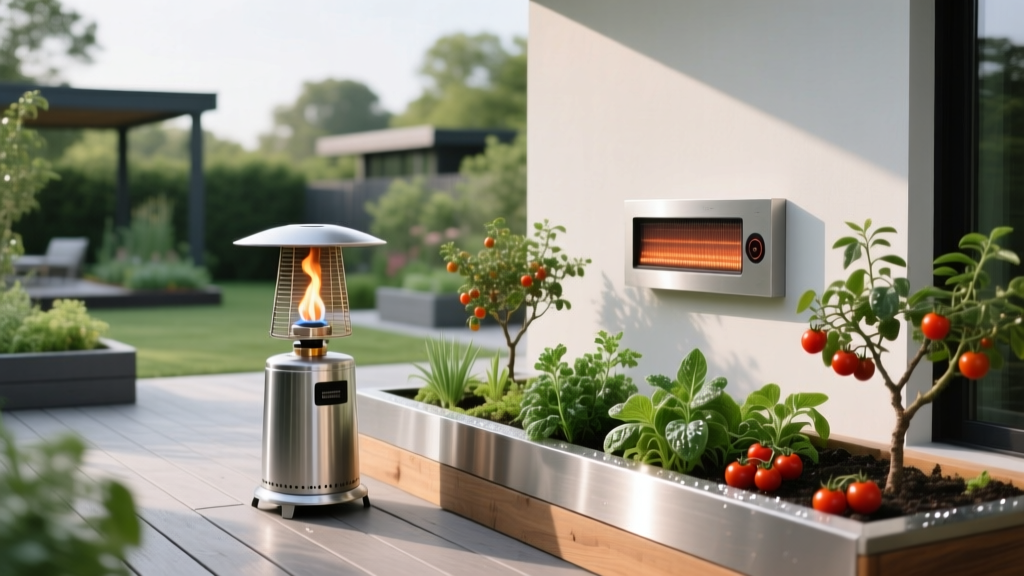
Propane vs Infrared Electric Patio Heaters 2026: Foodscaping Guide
James MillerPublished
Introduction: Extending the Foodscaping Season in 2026
Foodscaping—the art of seamlessly integrating edible plants into ornamental landscape designs—has completely transformed how we view our outdoor living spaces. In 2026, the modern foodscape patio is no longer just a place to sit; it is a productive, multi-seasonal ecosystem featuring raised cedar beds of winter kale, espaliered citrus trees, and trellised hardy kiwi. However, as autumn deepens and winter approaches, extending the harvest season and enjoying your outdoor culinary oasis requires strategic climate control. This brings us to a critical decision for the edible landscape designer: choosing between propane and infrared electric patio heaters. The heat coverage, emission profiles, and microclimate impacts of these two heating technologies drastically affect the health of your surrounding edibles. In this comprehensive 2026 guide, we break down exactly how propane and infrared electric heat coverage interact with your foodscaped patio, helping you protect your plants while keeping your outdoor dining space comfortable.
The Core Debate: Propane vs. Infrared Electric Heat Coverage
When evaluating patio heaters for an edible landscape, we must look beyond human comfort and consider plant physiology. Heat coverage is not just about the radius of warmth; it is about how that heat is transferred through the air and how it interacts with the moisture levels, soil temperature, and foliage of your nearby crops. According to the Old Farmer's Almanac, understanding microclimates and localized heat sources is essential for successful season extension. A heater that warms a patio might simultaneously scorch a nearby potted Meyer lemon or create a humidity pocket that invites fungal diseases to your winter herbs. Let us examine the mechanics of both heating methods.
How Propane Heaters Impact Edible Landscapes
Propane patio heaters, typically outputting between 30,000 and 45,000 BTUs, operate on a convection and radiant hybrid model. They heat the air around the burner, which then rises and pushes outward, creating a broad, umbrella-like coverage area that can span a 15 to 20-foot radius. For large, open foodscaping layouts with distant perimeter borders of ornamental cabbage or rosemary, this wide coverage is highly effective at raising the ambient temperature of the entire patio zone.
However, propane combustion produces two significant byproducts: carbon dioxide (CO2) and water vapor. While CO2 is beneficial for plant photosynthesis, the localized water vapor emission can be problematic in a dense foodscape. If your patio features tight walkways bordered by susceptible edibles like winter squash, cucumbers, or dense herb topiaries, the added humidity from a propane heater can create a microclimate ripe for powdery mildew and botrytis. Furthermore, the intense radiant heat near the emitter dome poses a severe scorch risk to delicate edible flowers, such as nasturtiums or borage, if placed within a three-foot clearance zone.
The Infrared Electric Advantage for Foodscaping
Infrared electric heaters have seen massive technological leaps by 2026, with modern carbon-fiber and advanced quartz tubes offering highly efficient, directional heat coverage. Unlike propane, infrared heaters do not heat the air; they emit electromagnetic waves that directly heat solid objects, including people, patio furniture, and the soil in your raised beds. This results in a highly targeted coverage zone, typically spanning an 8 to 12-foot directional radius.
For the meticulous foodscape designer, infrared electric is often the superior choice. Because there is no combustion, there is zero moisture emission, keeping the foliage of your nearby potted blueberries and trailing thyme perfectly dry. The heat is gentle and easily directed away from sensitive plant canopies. You can mount an infrared heater on a pergola directly above an outdoor dining table surrounded by espaliered apple trees, providing warmth to the guests without altering the ambient humidity or risking thermal damage to the fruit tree branches. As noted by the U.S. Department of Energy, electric radiant heating systems provide exceptional efficiency in outdoor or semi-enclosed spaces because no energy is wasted heating the moving outdoor air.
Heat Coverage & Placement Around Raised Beds
To visualize how these two technologies perform in a real-world edible landscape, we have compiled a 2026 comparison table focusing on their interaction with foodscaping elements.
| Feature | Propane (40,000 BTU) | Electric Infrared (2400W) |
|---|---|---|
| Coverage Type | Omnidirectional convection (15-20 ft radius) | Directional radiant (8-12 ft cone) |
| Moisture Emission | High (adds localized humidity) | Zero (dry heat) |
| Plant Scorch Risk | High within 3 ft of emitter | Low (safe at 2 ft clearance) |
| Soil Warming Effect | Minimal (heat rises) | Moderate (radiant waves hit soil surface) |
| 2026 Avg. Hourly Cost | $1.45 (based on $24/tank refill) | $0.38 (based on $0.16/kWh national avg) |
| Smart Integration | Limited (requires specialized Wi-Fi gas valves) | High (Matter/Thread compatible smart plugs) |
When placing heaters around raised beds, consider the root zone. Infrared heaters mounted at an angle can gently warm the surface of a raised cedar bed, helping to keep the soil temperature just above freezing for cold-hardy crops like spinach and mâche. Propane heaters, due to their upward convection currents, do little to warm the soil directly and are better suited for open-center patios where the raised beds are pushed to the far perimeters.
Smart Home Integration for Frost Protection
The 2026 smart garden ecosystem relies heavily on the Matter protocol, allowing seamless communication between outdoor weather sensors and patio equipment. Infrared electric heaters excel in this arena. By pairing an infrared heater with a smart outdoor plug and a localized freeze sensor, you can automate frost protection for your most prized foodscape elements. If the temperature drops to 33°F, the system can automatically trigger the infrared heater on a low setting, casting a gentle radiant blanket over your potted dwarf fig trees or late-season peppers, preventing cellular damage without the need for manual intervention.
Propane heaters, while available with smart-tip-over shutoffs and automated ignition, remain difficult to integrate into a fully automated smart-home frost-protection routine due to the mechanical complexities of safely automating gas valves outdoors. For the tech-savvy foodscaper who wants to monitor and protect their edible investments via a smartphone app, infrared electric is the undisputed leader.
Environmental Impact and Organic Gardening Principles
For gardeners committed to organic and regenerative landscaping principles, the carbon footprint of your patio heating cannot be ignored. Propane is a fossil fuel. While it burns relatively cleanly compared to wood, it still contributes to greenhouse gas emissions. The Environmental Protection Agency (EPA) continuously tracks the impact of fossil fuel combustion on localized and global emissions. If your foodscape is designed with a strict zero-emission or low-carbon philosophy, relying on propane contradicts the ecological ethos of growing your own sustainable food.
Conversely, infrared electric heaters can be powered by renewable energy. If your home is equipped with solar panels or you are subscribed to a green energy grid program, your patio heating operates at net-zero carbon emissions. Furthermore, the lack of combustion byproducts means you are not introducing any trace volatile organic compounds (VOCs) or unburnt hydrocarbons into the immediate air space where you are harvesting and consuming your fresh herbs and vegetables.
Maintenance and Longevity in the Garden
Edible landscapes require maintenance, and your hardscape equipment should not add unnecessary chores. Propane heaters require regular tank swaps, emitter screen cleaning to prevent wasp nests, and tip-over safety checks. Infrared electric heaters are virtually maintenance-free. A simple wipe-down of the carbon-fiber tube and reflector shield at the end of the harvest season is all that is required to ensure optimal radiant output for the next year.
Conclusion
Choosing between propane and infrared electric patio heaters in 2026 ultimately depends on the specific layout and plant life of your edible landscape. If you have a sprawling, open-concept patio with distant perimeter plantings and need massive, ambient air-warming coverage, a high-BTU propane heater remains a viable, albeit traditional, option. However, for the modern, tightly integrated foodscape featuring delicate edibles, raised beds, and potted citrus, infrared electric heaters offer unparalleled precision. Their targeted heat coverage, zero moisture emissions, smart-home compatibility, and alignment with sustainable gardening principles make them the superior choice for protecting your outdoor harvest while enjoying your garden-to-table lifestyle well into the colder months.
