Home & Garden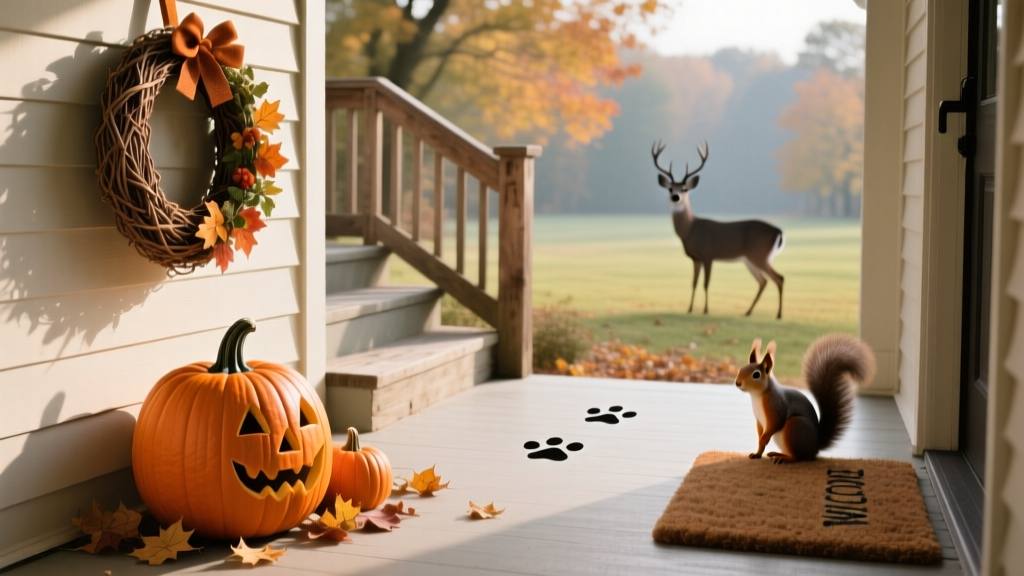
Wildlife-Proof Porch Decor: Wreaths & Pumpkins Guide 2026
Sarah ChenPublished
The Intersection of Porchscaping and Wildlife Management
As we move through the 2026 home and garden season, the trend of 'porchscaping' has reached new heights. Homeowners are investing heavily in seasonal porch decor, with the spring wreath and fall pumpkin display serving as the cornerstones of exterior curb appeal. However, there is a persistent adversary that threatens these carefully curated arrangements: local wildlife. From foraging deer and nesting birds to destructive raccoons and opportunistic squirrels, your porch decorations can inadvertently act as a magnet for yard animals. Managing wildlife interactions is no longer just about protecting your vegetable garden or lawn; it requires a strategic approach to your exterior decor. In this comprehensive guide, we will explore how to maintain a stunning seasonal porch decor spring wreath and fall pumpkin display while implementing humane, effective wildlife management techniques to keep animals at bay.
The Spring Wreath Dilemma: Nesting Birds and Foraging Deer
Spring wreaths are traditionally crafted from natural materials like cedar, fir, eucalyptus, and grapevine, often accented with dried berries, Spanish moss, and seed pods. While visually appealing to humans, these materials are highly attractive to wildlife. Deer frequently browse on the evergreen boughs, stripping the foliage and leaving behind a skeletal wire frame. Meanwhile, birds view the Spanish moss and loose twigs as premium nesting material, often pulling the wreath apart to line their nests. Squirrels, on the other hand, are drawn to the seeds, nuts, and dried berries commonly woven into spring designs.
Strategic Material Selection for 2026
The most effective way to protect your spring wreath is to eliminate its appeal as a food source or nesting site. In 2026, advancements in synthetic botanicals have made faux alternatives nearly indistinguishable from real foliage. Look for UV-shielded polyethylene boxwood, high-density silk eucalyptus, and polyurethane cedar stems. These materials offer zero nutritional value and are too tough for birds to use for nesting. If you prefer the scent and authenticity of natural greens, you must treat them with a wildlife repellent. According to guidelines from the The Humane Society of the United States, taste-based repellents containing denatonium benzoate or capsaicin can be sprayed on natural wreaths to deter deer and squirrels without causing them harm. Apply these sprays every 14 days, or immediately after heavy spring rainstorms, to maintain their efficacy.
Physical Barriers and Hanger Modifications
Squirrels are notorious for climbing down porch columns or dropping from overhead eaves to access wreaths. To counter this, utilize a metal wreath hanger equipped with a built-in squirrel baffle. These 2026 models feature a smooth, downward-sloping polycarbonate dome that prevents rodents from gaining traction. Additionally, avoid hanging wreaths directly against wooden doors or siding, as this provides a backboard for climbing animals. Instead, use a heavy-duty nylon ribbon to suspend the wreath at least six inches away from the door surface, making it difficult for animals to reach without losing their balance.
The Fall Pumpkin Problem: Rodents, Raccoons, and Deer
As autumn arrives, the focus shifts to the fall pumpkin display. Pumpkins and gourds are essentially giant, sugar-rich fruits. When carved, the exposed flesh and seeds emit a sweet aroma that can attract wildlife from considerable distances. Squirrels will hollow out pumpkins to access the seeds, deer will crush them to eat the sugary pulp, and raccoons will aggressively tear apart entire displays in search of an easy, high-calorie meal. According to the Internet Center for Wildlife Damage Management, once an animal identifies a reliable food source like a porch pumpkin display, they will return nightly, often bringing their young or other members of their species.
Proven Pumpkin Protection Techniques
Protecting your fall pumpkin display requires a multi-layered approach that targets the senses and physical access of the animals.
- The Polyurethane Sealant Method: Before placing your pumpkins on the porch, coat the entire exterior—and the interior if carved—with two to three layers of clear, non-toxic, water-based polyurethane. This creates a hard, plastic-like shell that is incredibly difficult for rodents to chew through and masks the sweet scent of the decaying flesh. It also extends the lifespan of your pumpkins by preventing moisture loss and mold growth.
- Capsaicin and Hot Pepper Wax Sprays: For uncarved pumpkins and surrounding gourds, apply a generous coating of hot pepper wax or a commercial capsaicin-based repellent. Mammals possess receptors that are highly sensitive to capsaicin, causing an immediate burning sensation that teaches them to avoid the area. Reapply weekly, as the eXtension Wildlife Damage Management network notes that environmental weathering significantly degrades taste repellents over time.
- Elevation and Slippery Surfaces: Never place pumpkins directly on the porch floor or on low wooden steps. Elevate your display using smooth metal plant stands that are at least 36 inches high. Wrap the legs of these stands with a 24-inch band of slick aluminum flashing or PVC pipe. Squirrels and raccoons cannot grip these smooth surfaces, effectively cutting off their vertical access routes.
2026 Comparison Chart: Decor Materials and Wildlife Vulnerability
Understanding the inherent risks of different decor materials is crucial for effective wildlife management. The table below outlines the vulnerability of common seasonal items and the best mitigation strategies for the current year.
| Decor Item | Primary Wildlife Threat | Best 2026 Deterrent Method | Est. Seasonal Cost |
|---|---|---|---|
| Natural Cedar Wreath | Deer, Birds | Capsaicin spray, Wire mesh backing | $15 - $25 |
| Faux Polyethylene Wreath | None (Nesting risk only) | Bird spike strips on top frame | $0 (Included) |
| Carved Jack-o'-Lanterns | Squirrels, Raccoons, Deer | Polyurethane coating, Elevation | $20 - $35 |
| Uncarved Ornamental Gourds | Rodents, Deer | Hot pepper wax, Aluminum baffles | $15 - $20 |
| Indian Corn Bundles | Birds, Squirrels, Mice | Clear acrylic spray sealant | $10 - $15 |
Integrating Smart Home Tech for Wildlife Deterrence
In 2026, smart home integration has become a powerful tool for yard animal management. Modern smart porch lighting systems now feature AI-driven animal detection. Unlike older motion sensors that trigger for every passing leaf or insect, these advanced cameras can distinguish between a human, a pet, and wildlife such as raccoons or deer. When a raccoon approaches your pumpkin display, the system can be programmed to trigger a high-lumen LED strobe effect and emit an ultrasonic frequency that is highly irritating to mammals but inaudible to humans. Pairing your physical deterrents with smart lighting creates an unpredictable environment that encourages wildlife to forage elsewhere, far away from your curated porch decor.
Maintenance and Sanitation: The Unsung Heroes of Pest Control
No amount of repellents or physical barriers will work if your porch is littered with fallen seeds, rotting foliage, or spilled birdseed from nearby feeders. Wildlife management relies heavily on sanitation. During the spring, sweep your porch daily to remove any loose moss, twigs, or berries that fall from your wreath. In the fall, the moment a pumpkin begins to soften, collapse, or show signs of mold, it must be removed and composted in a sealed, wildlife-proof bin. Rotting pumpkins emit ethylene gas and fermentation odors that are irresistible to yellowjackets, fruit flies, and larger foraging mammals. By maintaining a pristine porch environment, you remove the olfactory cues that draw animals to your home in the first place.
Conclusion
Creating a beautiful seasonal porch decor spring wreath and fall pumpkin display does not mean you have to surrender your exterior to local wildlife. By transitioning to high-quality synthetic botanicals in the spring, treating natural elements with humane taste repellents, and utilizing physical barriers and smart technology in the fall, you can successfully bridge the gap between aesthetic appeal and wildlife management. Implement these 2026 strategies to ensure your porch remains a welcoming space for your family and guests, while politely directing yard animals back to the wild where they belong.
