Home & Garden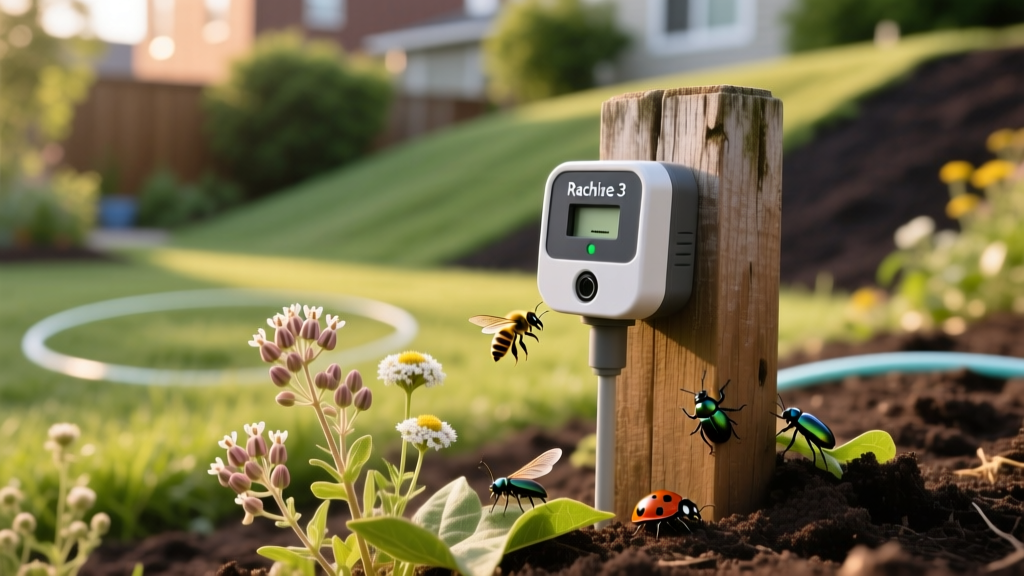
2026 Rachio 3 Rain Sensor Guide: Protect Beneficial Insects
Sarah ChenPublished
The Intersection of Smart Irrigation and Bio-Control in 2026
As we navigate the 2026 gardening season, the integration of smart home technology and ecological landscaping has never been more critical. Homeowners are increasingly recognizing that a thriving garden is not just about the plants you grow, but the invisible ecosystem of beneficial insects and soil microbes you support. At the forefront of this ecological approach is the Rachio 3 Smart Sprinkler Controller, particularly when paired with its wireless rain sensor and advanced zone control features. While most discussions around smart irrigation focus on water bills and drought restrictions, precision watering is actually one of the most powerful tools in your integrated pest management (IPM) arsenal. By eliminating the guesswork from your watering schedule, you create a stable, hospitable environment for the predatory insects and bio-control agents that keep garden pests in check naturally.
The Hidden Cost of Overwatering on Beneficial Insect Habitats
Traditional timer-based sprinkler systems are notorious for overwatering, a practice that wreaks havoc on the soil food web. According to the EPA WaterSense program, standard irrigation systems often apply water faster than the soil can absorb it, leading to saturation, runoff, and oxygen depletion in the root zone. For soil-dwelling beneficial insects, this saturated environment is deadly. Ground beetles (Carabidae), which are voracious predators of slugs, snails, and caterpillar pupae, require well-drained soil to hunt and reproduce. When soil pores are entirely filled with water, these beetles drown or are forced to the surface, where they become prey to birds rather than protecting your plants.
Similarly, predatory nematodes—microscopic roundworms that hunt destructive grubs and root weevils—rely on a delicate film of moisture to move through the soil matrix. Overwatering washes these vital bio-control agents deep past the root zone, rendering them ineffective. Furthermore, chronically wet soil promotes the growth of pathogenic fungi and attracts fungus gnats, shifting the ecological balance away from beneficial predators and toward disease vectors. By leveraging the Rachio 3 to apply only the exact amount of water your landscape needs, you preserve the intricate pore spaces in your soil that serve as highways and hunting grounds for these essential organisms.
Calibrating the Rachio 3 Wireless Rain Sensor for Ecological Balance
The Rachio Wireless Rain and Freeze Sensor is a critical component for maintaining optimal soil moisture. When rain is detected, the sensor communicates with the Rachio 3 controller to automatically skip scheduled irrigation, preventing the dangerous saturation of your garden beds. However, proper placement and calibration are essential to ensure the sensor supports your bio-control goals. The Rachio Support Knowledge Base recommends mounting the sensor in an open area, free from tree canopies or roof overhangs, to ensure it catches natural rainfall accurately.
Crucially, you must position the sensor away from the splash zone of your sprinkler heads. If the sensor is triggered by your own irrigation system, it will prematurely cancel the watering cycle, leading to underwatered plants. Stressed, underwatered plants emit volatile organic compounds (VOCs) that actually attract sap-sucking pests like aphids and spider mites. By ensuring the rain sensor only reacts to genuine weather events, you maintain the consistent, moderate soil moisture levels that predatory mites and rove beetles need to thrive. In the 2026 Rachio app, you can fine-tune the rain threshold settings, typically setting the skip threshold to 1/8 inch for established gardens to prevent minor drizzles from disrupting deep-root watering cycles.
Advanced Zone Control: Designing for Micro-Habitats
The true power of the Rachio 3 lies in its granular zone control, allowing you to treat different areas of your yard as distinct ecological microclimates. The Xerces Society for Invertebrate Conservation emphasizes that diverse habitats support a wider array of beneficial insects. Not all beneficials want the same moisture levels. For instance, ground-nesting bees (Andrenidae), which are vital early-season pollinators, require patches of dry, undisturbed, well-drained soil to construct their nesting tunnels. If your entire yard is on a single, monolithic irrigation schedule, these nesting sites will collapse.
Using the Rachio 3 zone setup, you can categorize your landscape into distinct hydro-zones. Assign your thirsty vegetable beds and turfgrass to zones with higher precipitation rates and frequent cycle-and-soak schedules. Conversely, designate your native perennial borders, pollinator strips, and dry refuges as low-water zones. By reducing the watering frequency in these specific zones, you preserve the dry, friable soil structure required by ground-nesting bees, solitary wasps, and beneficial spiders that patrol the soil surface for pests.
Rachio 3 Zone Settings for Bio-Control Habitats
To help you configure your system for maximum ecological benefit, refer to the zone configuration table below. This guide aligns your Rachio 3 settings with the specific habitat requirements of key beneficial insects in 2026.
| Zone Type | Rachio 3 Setting | Target Moisture | Beneficial Insects Supported |
|---|---|---|---|
| Turfgrass & High-Yield Veggies | Cycle and Soak; High Root Depth | Moderate to High (Well-drained) | Predatory Nematodes, Earthworms, Rove Beetles |
| Native Perennials & Pollinator Strips | Low Frequency; Deep Soak | Low to Moderate (Dry surface) | Ground-Nesting Bees, Solitary Wasps, Predatory Spiders |
| Shade Gardens & Leaf Litter Beds | Reduced Sun Exposure Multiplier | Consistent Surface Moisture | Ground Beetles, Centipedes, Predatory Mites |
| Drought-Tolerant Xeriscape | Skip Rain Threshold 1/4 inch | Very Low (Arid topsoil) | Darkling Beetles, Digger Bees, Ambush Bugs |
Protecting Foliar Bio-Controls with Precision Scheduling
While soil-dwelling insects are affected by saturation, foliar bio-controls—such as green lacewings, ladybugs, and predatory thrips—are heavily impacted by how and when water is applied. Overhead sprinkler irrigation, especially when scheduled during the heat of the day or late in the evening, can physically wash away the eggs and larvae of these beneficial insects from plant leaves. Furthermore, wet foliage left overnight creates the perfect breeding ground for powdery mildew and botrytis, diseases that weaken plants and make them more susceptible to pest outbreaks.
The Rachio 3 allows you to schedule specific zones to run exclusively in the early morning hours (between 4:00 AM and 6:00 AM). This ensures that any water that accidentally hits the foliage dries quickly in the morning sun, preserving the habitat for lacewing larvae and preventing fungal pathogens. Additionally, if you are utilizing drip irrigation zones for your garden beds, the Rachio 3 can run these zones at any time of day without wetting the foliage, providing a continuous, safe moisture supply to the root zone while leaving the leaves completely dry for your bio-control agents to patrol.
Leveraging Weather Intelligence Plus for 2026 Climate Patterns
The 2026 gardening season brings unpredictable micro-climate shifts, making the Rachio 3 Weather Intelligence Plus (WIP) feature indispensable. WIP utilizes hyper-local satellite data, including real-time Evapotranspiration (ET) rates, wind speeds, and humidity levels, to automatically adjust your watering durations. High wind speeds can cause sprinkler misting, which leads to uneven water distribution and dry patches that stress plants. By enabling the Wind Skip feature within WIP, the Rachio 3 will pause irrigation during high-wind events, ensuring water is applied evenly and efficiently.
This precision prevents the creation of localized swampy areas that attract root-feeding pests while simultaneously preventing drought-stressed patches that invite aphids. By maintaining a uniform, healthy landscape through automated, data-driven adjustments, your plants can produce the robust natural defenses and nectar rewards needed to sustain a thriving, permanent population of beneficial insects throughout the entire growing season.
Conclusion: Smart Tech for a Wilder Garden
Integrating the Rachio 3 smart irrigation system with a wireless rain sensor and meticulous zone control is about far more than just conserving water or complying with municipal restrictions. In 2026, it is a fundamental practice for the ecologically minded gardener. By preventing soil saturation, protecting ground-nesting habitats, and keeping foliage dry for foliar predators, your smart controller acts as the silent guardian of your garden's bio-control network. Take the time this season to audit your zones, calibrate your rain sensor, and align your watering schedules with the needs of the beneficial insects that work tirelessly to keep your landscape healthy, vibrant, and naturally pest-free.
