Home & Garden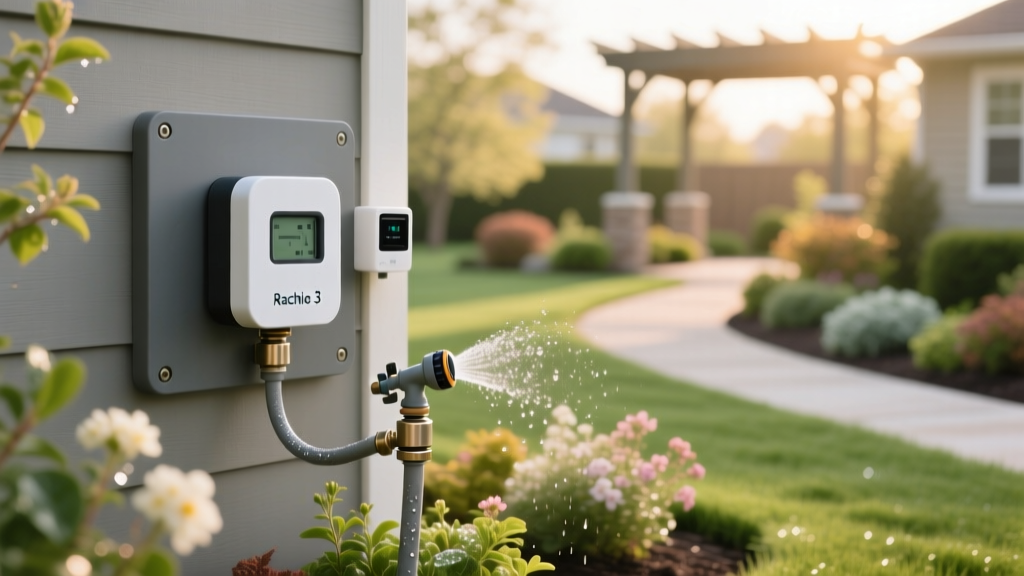
Rachio 3 Smart Irrigation & Pruning Timing Guide 2026
Sarah ChenPublished
The Intersection of Pruning Methods and Smart Irrigation in 2026
As we navigate the 2026 gardening season, the integration of horticultural best practices with smart home technology has never been more critical for sustainable landscaping. Homeowners and landscape professionals alike are discovering that proper plant care extends far beyond the physical act of cutting branches; it requires a synchronized approach to water management. The Rachio 3 smart irrigation controller, paired with its wireless rain sensor and granular zone control, offers an unparalleled platform for precision landscaping. However, even the most advanced weather-based algorithms cannot automatically account for sudden changes in plant physiology caused by seasonal pruning. When you alter the physical structure of a tree or shrub, you fundamentally change its water requirements. Understanding the relationship between pruning methods, plant transpiration, and smart irrigation zone settings is essential for maintaining a vibrant, drought-resilient, and energy-efficient landscape this year.
According to the EPA WaterSense program, outdoor water use accounts for up to 60% of household water consumption in arid regions. In 2026, with water conservation mandates becoming stricter across many municipalities, syncing your pruning schedule with your Rachio 3 zone controls is not just a matter of plant health—it is a vital step in resource management and utility cost reduction.
Understanding Pruning Methods and Plant Transpiration
To effectively manage your irrigation zones, you must first understand how different pruning techniques impact transpiration—the process by which plants draw water from the soil and release it into the atmosphere through microscopic leaf pores called stomata. The total leaf area index (LAI) of a plant directly dictates its water demand. By removing foliage, you are essentially turning off thousands of tiny water pumps. If your Rachio 3 continues to deliver the same volume of water to a newly pruned root zone, the soil will become waterlogged, leading to oxygen deprivation, root rot, and devastating fungal diseases.
According to horticultural research outlined by the University of Minnesota Extension, the timing and type of cut dictate the physiological stress and subsequent water needs of the plant. Here is how the three primary pruning methods affect your landscape's hydrological cycle:
- Thinning Cuts: This method involves removing entire branches back to the trunk or a primary lateral branch. Thinning reduces the overall leaf area, which decreases the plant's total transpiration rate. However, it opens the canopy, allowing more direct sunlight to reach the soil surface. This can increase soil-level evaporation, meaning you may need to adjust your Rachio 3 zone to deliver shorter, more frequent watering cycles to compensate for surface moisture loss without drowning the deeper root zone.
- Heading Cuts: Made mid-branch, these cuts remove the apical bud, which breaks apical dominance and stimulates a flush of dense, lateral growth. This new foliage is highly succulent, rapidly expanding, and demands increased irrigation in the short term. If you perform heading cuts in late spring, you must temporarily increase the crop coefficient in your Rachio 3 app to support this aggressive new growth phase.
- Rejuvenation Pruning: A severe method where overgrown, neglected shrubs (like lilacs or viburnums) are cut down to 6-12 inches above the soil line. This virtually eliminates transpiration. The plant survives entirely on stored root carbohydrates while generating new basal shoots. Overwatering a rejuvenated shrub is the leading cause of post-pruning mortality. Your Rachio 3 zone must be drastically reduced or temporarily paused to prevent root asphyxiation.
Configuring Rachio 3 Zone Control Post-Pruning
Once you have completed your seasonal pruning, you must translate those physical changes into digital adjustments within the Rachio 3 app. The controller uses a proprietary algorithm based on evapotranspiration (ET) data, but it relies on your manual inputs for zone-specific variables. Here is the exact workflow for updating your zones in 2026:
Step 1: Adjusting the Crop Coefficient (Kc)
The Crop Coefficient represents the specific water needs of your vegetation type relative to a reference evapotranspiration rate. After heavy thinning or rejuvenation pruning, the plant's ability to utilize water drops significantly.
- Open the Rachio app and navigate to Zones.
- Select the specific zone containing the pruned plants.
- Tap Zone Details and scroll to Advanced Settings.
- Locate the Crop Coefficient slider. For a moderate thinning cut, reduce the Kc by 10-15%. For severe rejuvenation pruning, reduce the Kc by 30-40% or switch the vegetation type to 'Drought Tolerant' temporarily until the canopy recovers.
Step 2: Modifying Root Depth and Soil Type
Pruning the top growth often signals the plant to shed fine, water-absorbing feeder roots. If you are watering heavy clay soil, this mismatch between reduced root mass and high water retention is dangerous. In the Advanced Settings menu, ensure your soil type is accurately mapped. If you have clay soil and have just performed heavy pruning, increase the Allowed Depletion percentage slightly to force the system to wait longer between watering cycles, allowing the soil to dry out and draw oxygen back into the root zone.
Integrating the Rachio Rain and Freeze Sensor
The Rachio Wireless Rain/Freeze Sensor is a critical component for preventing over-irrigation, but its effectiveness is heavily influenced by canopy cover. Dense, unpruned hedges can intercept up to 30% of rainfall before it ever reaches the soil. When you prune these hedges, significantly more precipitation reaches the ground directly.
If you have recently thinned a large privacy screen or deciduous tree canopy, the soil in that zone will absorb rain much faster than the Rachio system might historically anticipate. To compensate, you should adjust the rain sensor threshold in the app. Navigate to Settings > Sensors and select your rain sensor. If the pruned zone consists of heavy clay, lower the rain threshold from the standard 1/4 inch to 1/8 inch. This ensures that the system skips the next scheduled run after even a light drizzle, trusting that the newly exposed soil has absorbed sufficient moisture. Conversely, if you have pruned shallow-rooted groundcovers under a now-removed tree canopy, the increased sun exposure might cause rapid evaporation, requiring you to maintain a higher threshold or rely more on the Rachio's hyper-local weather intelligence rather than the physical rain cup.
Proper pruning is not just about shaping a plant; it is a physiological intervention that drastically alters the hydrological cycle of your landscape. Failing to adjust smart irrigation zones after heavy pruning is a leading cause of post-pruning root rot in residential gardens.
Seasonal Pruning and Irrigation Timing Matrix
To help you plan your 2026 landscape maintenance, refer to the matrix below. This chart aligns standard horticultural pruning schedules with the necessary Rachio 3 zone and sensor adjustments. For further reading on designing water-efficient gardens that complement smart irrigation, consult the EPA Water-Smart Landscapes guidelines.
| Season | Pruning Method | Plant Target | Transpiration Impact | Rachio 3 Zone Adjustment | Rain Sensor Threshold |
|---|---|---|---|---|---|
| Early Spring | Rejuvenation | Overgrown Lilacs / Forsythia | Severe Drop | Reduce Crop Coefficient by 30-40% | Lower to 1/8 inch |
| Late Spring | Thinning | Fruit Trees / Shade Trees | Moderate Drop | Increase cycle frequency, reduce duration | Maintain 1/4 inch |
| Summer | Deadheading / Pinching | Hydrangeas / Perennials | Minimal Drop | Maintain baseline Kc settings | Maintain 1/4 inch |
| Fall | Heading Cuts | Evergreen Hedges / Boxwood | Slight Drop (Pre-dormancy) | Reduce watering days by 15% | Raise to 1/2 inch |
| Winter | Dormant Structural Pruning | Deciduous Trees / Roses | Zero (Dormant) | Enable Winterize / Skip zones entirely | N/A (Freeze sensor active) |
Final Thoughts for the 2026 Season
Mastering the synergy between pruning methods and smart irrigation is what separates a good gardener from a great one. By treating your Rachio 3 not just as an automated timer, but as a dynamic horticultural tool that responds to the physical changes in your garden, you ensure deeper root growth, lusher foliage, and a significantly lower water bill. Whether you are executing severe rejuvenation cuts on neglected shrubs or delicately thinning a prized Japanese maple, taking five minutes to update your zone settings and rain sensor thresholds will protect your investment and keep your landscape thriving through every season of 2026.
