Home & Garden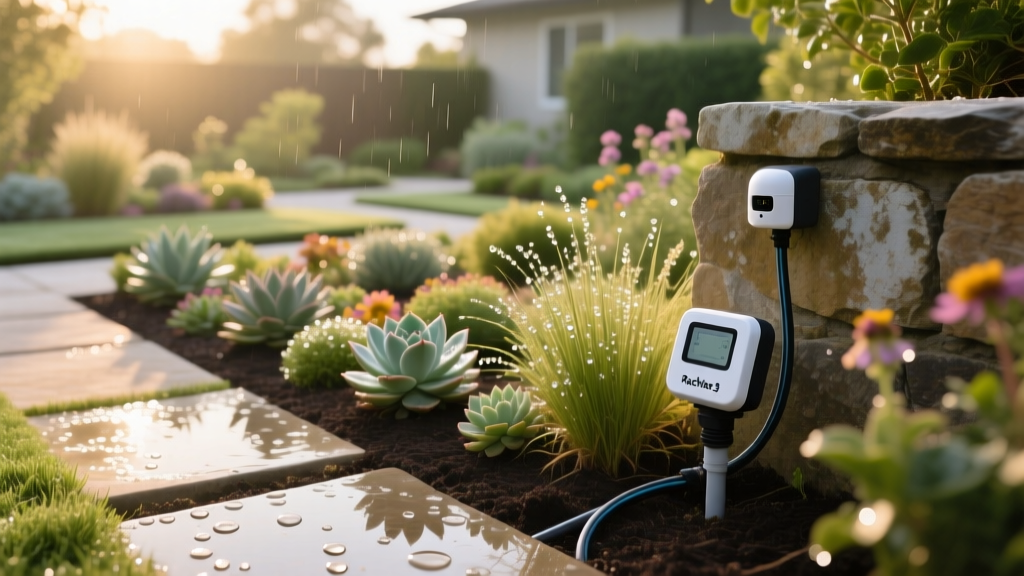
Rachio 3 Irrigation & Rain Sensor: 2026 Garden Photography Guide
James MillerPublished
The Intersection of Smart Irrigation and Visual Aesthetics
Garden photography and landscape documentation in 2026 require more than just a high-resolution camera and a good eye for composition; they demand a meticulously managed ecosystem. As a garden photographer, you already know that the difference between a mediocre snapshot and a stunning, magazine-worthy landscape portrait often comes down to plant turgidity, soil moisture, and the absence of artificial water spots on delicate petals. Enter the Rachio 3 Smart Sprinkler Controller, paired with its wireless rain sensor and granular zone control. This setup is not just a tool for lawn care; it is an essential piece of photography equipment that ensures your garden is always camera-ready.
When documenting the progression of a garden throughout the 2026 growing season, consistency is paramount. You want to capture the vibrant, lush greens of a well-hydrated fern gully, contrasted against the textured, dry foliage of a Mediterranean rock garden. Achieving this visual contrast requires precise irrigation management. By leveraging smart home integration, you can stage your garden 'rooms' for the lens, ensuring every zone is watered exactly to its aesthetic and horticultural needs.
Mastering Golden Hour with Smart Scheduling
Lighting is the lifeblood of photography, and the 'golden hour'—shortly after sunrise and before sunset—provides the most flattering, diffused light for garden documentation. However, traditional irrigation schedules often ruin golden hour shoots. If your sprinklers run at 5:00 AM, your morning shoot at 6:30 AM will be plagued by harsh glare from water droplets on leaves, muddy soil that reflects poorly in wide-angle shots, and potential water spots that dry into blemishes on macro subjects.
The Rachio 3 app allows you to customize watering schedules down to the minute, solving this exact problem. By scheduling deep, slow-soak irrigation cycles to conclude by 3:00 AM, you allow the foliage to dry completely while the root zone retains maximum moisture. According to horticultural experts at the University of Minnesota Extension, deep and infrequent watering promotes stronger root systems and healthier plant structures. Healthier plants naturally exhibit better color saturation and structural integrity, which translates directly to sharper, more vibrant photographs without the need for heavy post-processing saturation sliders.
Zone Control: Staging Microclimates for the Camera
One of the most powerful features of the Rachio 3 for garden documentarians is its hyper-specific zone control. Modern gardens are rarely monolithic; they are curated collections of microclimates. When you are setting up a tripod for a long-term time-lapse or staging a specific corner for a landscape architecture portfolio, you need the backdrop to be perfect.
Using the Rachio 3's zone mapping, you can tailor the hydration levels to match the visual texture you want to capture. For instance, you can keep the hosta and astilbe zones heavily watered to maintain their broad, lush, reflective leaf surfaces, while intentionally restricting water to the ornamental grasses and lavender zones to preserve their silvery, drought-tolerant textures. This contrast is highly sought after in contemporary garden photography.
| Photography Style | Target Garden Zone | Rachio 3 Zone Setting | Visual Goal for the Lens |
|---|---|---|---|
| Macro Floral | Rose Beds & Hydrangeas | High frequency, short duration (drip) | Plump, turgid petals without surface water spots or fungal blemishes. |
| Wide Landscape | Ornamental Grasses & Gravel | Low frequency, deep soak | Textured, slightly dry foliage that catches backlighting and wind movement. |
| Portrait Backgrounds | Evergreen Hedges & Ferns | Moderate, consistent moisture | Deep, saturated greens that provide a smooth, bokeh-friendly backdrop. |
| Time-Lapse Documentation | Vegetable & Herb Raised Beds | Weather-intelligent adaptive scheduling | Consistent daily growth rates without the visual disruption of muddy soil splash. |
The Role of the Wireless Rain Sensor in Authentic Documentation
Authenticity is a major trend in 2026 garden media. Audiences and clients want to see how a garden interacts with its natural environment, including natural weather events. Capturing the 'after the rain' look is a staple of garden photography, characterized by heavy, bowed branches, deep color saturation, and natural water droplets clinging to spiderwebs and leaf veins.
However, if your irrigation system runs during or immediately after a natural rainstorm, it washes away the natural dew patterns, creates unnatural mud splatters, and causes overwatering stress that leads to yellowing chlorotic leaves. The Rachio Wireless Rain Sensor prevents this by instantly pausing scheduled watering when natural precipitation reaches a set threshold (typically 1/8 or 1/4 inch). The EPA WaterSense program highlights that smart controllers paired with rain sensors are critical for preventing overwatering, which not only conserves municipal water but also prevents the root rot and foliar diseases that can devastate a photogenic landscape. By trusting the rain sensor, you ensure that when you step out with your camera after a spring shower, the garden's reaction to the weather is entirely authentic and undisturbed by artificial irrigation.
Creating a Data-Driven Photo Journal
Garden documentation is evolving beyond simple photo albums into comprehensive, data-rich journals. As a photographer, you can elevate your 2026 portfolio by pairing your visual time-lapses with the Rachio 3's detailed water usage analytics. Imagine presenting a client or publishing an article that shows a side-by-side comparison: a beautiful, lush garden progression over six months, paired with a graph showing a 30% reduction in water usage thanks to the Rachio's weather intelligence and rain sensor.
To execute this, mount a weather-resistant camera on a fixed tripod in a primary garden zone. Take a daily photograph at the exact same time (e.g., 7:00 AM) using an intervalometer. Simultaneously, export your monthly Rachio water usage reports from the app. This combination of visual evidence and hard environmental data tells a compelling story of sustainable, smart-home-integrated landscaping that resonates deeply with modern eco-conscious audiences.
Practical Setup Tips for the 2026 Season
To ensure your irrigation hardware never interferes with your photography hardware, keep these practical setup tips in mind:
- Sensor Placement for Accuracy: Mount your Rachio rain sensor in an open area away from the tree canopy. If it is shielded by branches, the system might irrigate during a light drizzle, ruining your moody, overcast photography session.
- Hide the Hardware: When positioning sprinkler heads and drip lines in your primary macro photography zones, use natural mulch or decorative river rock to conceal the emitters. Visible plastic tubing distracts from the organic beauty of the garden in close-up shots.
- Utilize the 'Rain Delay' Feature: If you are planning a full-day outdoor photoshoot or hosting a garden tour, use the Rachio app's manual rain delay feature to guarantee the system stays completely dormant, ensuring dry pathways and pristine foliage for your guests and lenses.
- Smart Home Integration: Link your Rachio 3 to your smart outdoor lighting system. You can program your landscape uplighting to turn on at dusk, and schedule a brief, 5-minute 'mist' cycle on your fern zone just before sunset to catch the light and create a dramatic, misty atmosphere for twilight photography.
Conclusion
In 2026, the line between gardening and garden photography has blurred. The most stunning landscape images are not just the result of skilled camera work; they are the result of a deeply managed, technologically assisted ecosystem. By utilizing the Rachio 3 smart controller, leveraging its precise zone control, and respecting natural weather patterns via the rain sensor, you guarantee that your garden is always in peak visual condition. You eliminate the guesswork, prevent the aesthetic damage of overwatering, and free up your time to focus on what truly matters: capturing the breathtaking, fleeting beauty of your landscape through the lens.
