Home & Garden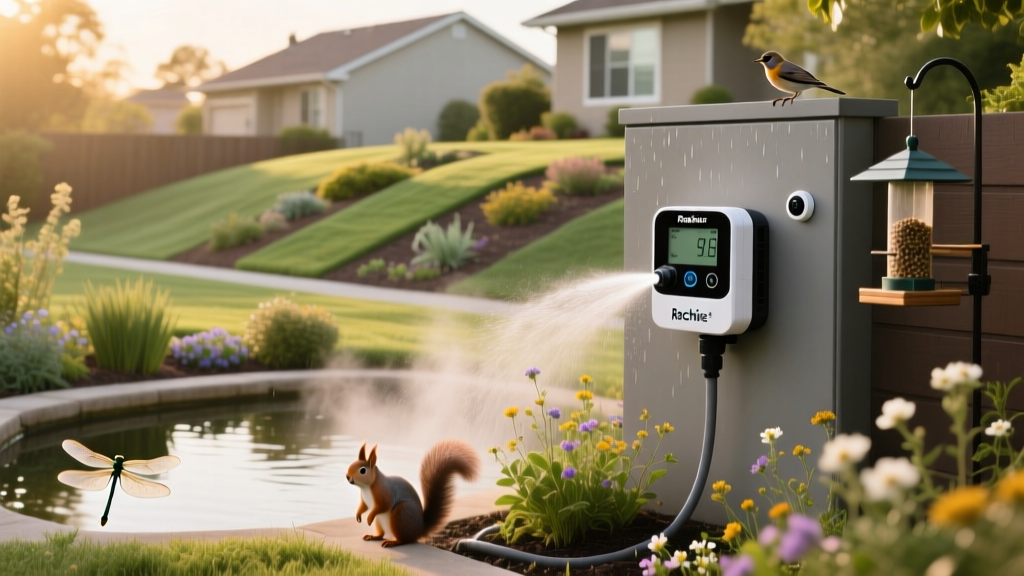
Rachio 3 Smart Irrigation: 2026 Wildlife & Pest Yard Management
Anna KowalskiPublished
The Intersection of Smart Irrigation and Wildlife Management in 2026
As we navigate the shifting climate patterns of 2026, homeowners are increasingly recognizing that yard maintenance extends far beyond simple curb appeal. The modern landscape is a complex ecosystem, and how you manage water directly dictates which animals, insects, and pests decide to call your yard home. While traditional irrigation systems blindly dump water on a fixed schedule, smart irrigation technology—specifically the Rachio 3 Smart Sprinkler Controller paired with a Wireless Rain Sensor—has become an indispensable tool for wildlife and yard animal management. By leveraging precise zone control and hyper-local weather data, you can actively deter destructive burrowing pests, eliminate mosquito breeding grounds, and cultivate thriving habitats for beneficial pollinators and avian wildlife.
The Ecological Cost of Overwatering: Pests, Grubs, and Mosquitoes
Before diving into smart configurations, it is crucial to understand the biological consequences of overwatering. Traditional timers often lead to waterlogged soil, which triggers a cascade of unwanted wildlife activity. According to turfgrass researchers at Penn State Extension, overly moist soil environments create ideal conditions for Japanese beetle grubs and other turf-destroying larvae. While a few grubs are normal, an overwatered lawn can cause grub populations to explode. This, in turn, acts as a dinner bell for destructive burrowing mammals like skunks, raccoons, and moles, who will tear apart your turf to reach the protein-rich larvae beneath the surface.
Furthermore, poor irrigation zoning frequently results in surface runoff and micro-puddles in low-lying areas. These stagnant pools of water are the primary breeding grounds for mosquitoes. In 2026, with increasing concerns over mosquito-borne illnesses, eliminating standing water is a top priority for yard management. The Rachio 3 addresses this through its 'Cycle and Soak' feature, which breaks watering sessions into shorter intervals, allowing the soil to absorb moisture entirely and preventing the surface puddling that mosquitoes rely on for reproduction.
Rachio 3 Zone Control: Designing for Wildlife and Pest Deterrence
The true power of the Rachio 3 (retailing around $249.99 in 2026) lies in its granular zone control. Your yard is not a monolith; it consists of diverse micro-habitats that require entirely different moisture levels. By mapping your Rachio 3 zones to specific wildlife management goals, you can manipulate the environment to favor beneficial species while deterring pests.
Deterring Moles and Voles with Perimeter Zoning
Moles and voles prefer soft, consistently moist soil because it is easier to tunnel through and harbors the earthworms they feed on. By configuring your perimeter and fence-line zones on the Rachio 3 app to a higher 'Allowed Depletion' setting, you intentionally allow the top few inches of soil to dry out and harden between waterings. This creates a physical barrier that is highly unappealing to tunneling rodents, naturally pushing them away from your property without the need for toxic chemical repellents.
Protecting Ground-Nesting Pollinators
Native bees, such as Andrena species, are crucial pollinators that nest in undisturbed, well-draining soil. Overwatering destroys these subterranean habitats, drowning larvae and collapsing nesting tunnels. By designating specific 'Pollinator Zones' in your Rachio 3 app and utilizing drip irrigation or low-volume MP Rotators, you can deliver targeted moisture to the root zones of native plants without saturating the bare soil patches where ground-nesting bees thrive.
| Yard Zone | Target Wildlife / Pest | Rachio 3 Settings & Strategy |
|---|---|---|
| Perimeter & Fence Lines | Deter Moles, Voles, Rabbits | Set 'Allowed Depletion' to 70%. Allow soil to dry and harden to discourage tunneling. |
| Native Pollinator Garden | Support Ground-Nesting Bees | Use Drip Irrigation zone type. Water deeply but infrequently to keep surface soil dry for nesting. |
| Main Turf Lawn | Prevent Grubs & Mosquitoes | Enable 'Cycle and Soak'. Set root depth to 6 inches to promote deep roots and eliminate surface puddles. |
| Wildlife Hydration Zone | Attract Birds & Butterflies | Schedule a 3-minute daily drip near birdbaths/puddling stones in the early morning. |
The Critical Role of the Rachio Wireless Rain Sensor
While the Rachio 3 features Weather Intelligence Plus to skip watering based on local forecasts, hyper-local microclimates can sometimes cause a storm to bypass the nearest weather station. Integrating the Rachio Wireless Rain and Freeze Sensor (priced at $59.99 in 2026) provides a crucial failsafe that is vital for protecting local watersheds and amphibian habitats.
Amphibians, such as frogs, toads, and salamanders, are indicator species with highly permeable skin. When automated sprinklers run during a natural rainstorm, the excess water causes immediate runoff. This runoff carries chlorine, chloramines, and synthetic fertilizers from your lawn directly into storm drains and local wetlands, which can be lethal to amphibian populations. By mounting the Rachio Rain Sensor in an open area away from tree canopies, the device instantly halts irrigation the moment natural precipitation begins. This ensures your yard is hydrated by natural, chemical-free rainwater, protecting sensitive wildlife and preventing toxic runoff.
Step-by-Step: Configuring Your Rachio 3 for Ecological Balance
To optimize your Rachio 3 for wildlife management in 2026, follow these specific configuration steps within the Rachio app:
- Map Your Soil Types: Do not leave soil settings on default. Go to each zone and select the exact soil type (e.g., Clay Loam, Sandy Loam). Clay soils retain water longer; setting this correctly prevents the overwatering that leads to fungal gnats and mosquito breeding.
- Adjust Root Zone Depths: Set turf zones to 6 inches, but increase shrub and native tree zones to 15-24 inches. This encourages deep watering, which keeps the surface dry and deters surface-dwelling pests like slugs and snails that thrive in damp surface mulch.
- Calibrate Crop Coefficients: Native plants adapted to your 2026 regional climate require significantly less water than non-native ornamentals. Lower the crop coefficient for native zones to prevent root rot and fungal diseases that can harm foraging insects.
- Enable Rain Sensor Integration: In the 'Controller Settings' menu, ensure your wireless rain sensor is toggled to 'Active' and set the rain threshold to 1/8 inch. This minimal threshold is enough to trigger a skip, protecting your yard from unnecessary saturation.
Creating Intentional Wildlife Habitats
According to the National Wildlife Federation, providing a clean water source is one of the foundational pillars of creating a certified wildlife habitat. However, a constantly running sprinkler head is not a safe water source; it wastes municipal water and creates muddy, disease-conducive environments. Instead, use your Rachio 3 to create a dedicated 'Wildlife Hydration Zone'. By wiring a dedicated drip line or a low-volume bubbler to a shallow birdbath, a rock puddling stone for butterflies, or a small rain garden basin, you can schedule this specific zone to run for just 3 to 5 minutes in the early morning. This provides fresh, life-saving water for birds and pollinators during the heat of the day, entirely separate from your turf watering schedule.
2026 Smart Watering Features and Ecological Benefits
The EPA WaterSense program continues to champion smart irrigation controllers in 2026 as a primary defense against water waste and ecological disruption. The Rachio 3's 'Seasonal Shift' feature automatically adjusts watering durations based on the historical evapotranspiration rates of your specific zip code. As summer transitions into autumn, the system naturally scales back water delivery. This gradual reduction mimics natural drought cycles, signaling to local wildlife that the seasons are changing and encouraging native plants to go dormant naturally, rather than forcing artificial, pest-attracting growth late in the year.
Conclusion
Wildlife and yard animal management is no longer just about placing bird feeders or setting humane traps for nuisance pests. In 2026, true ecological yard management begins below the surface, with the precise application of water. By utilizing the Rachio 3 smart controller, customizing zone control to manipulate soil moisture for pest deterrence, and integrating a wireless rain sensor to protect local watersheds, you transform your irrigation system into a powerful tool for ecological balance. You will spend less money on water and chemical pesticides, while cultivating a vibrant, healthy landscape that supports beneficial wildlife and naturally repels destructive pests.
