Home & Garden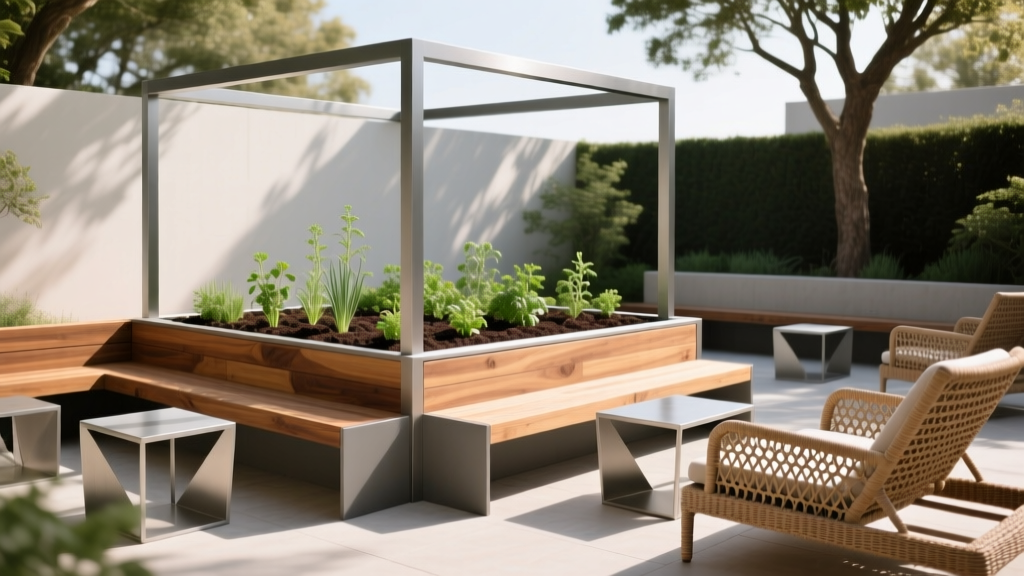
2026 Raised Bed Patio Furniture: Teak vs Aluminum vs Resin
Lisa ThompsonPublished
The Rise of the Zero-Mile Garden-to-Table Patio
In 2026, the concept of outdoor living has fully merged with the art of horticulture. The 'zero-mile' garden-to-table movement has inspired homeowners to place their outdoor dining sets and lounge chairs directly adjacent to their raised vegetable beds. There is nothing quite like harvesting a ripe heirloom tomato, snipping fresh basil, and sitting down to a meal just steps away from where the food was grown. However, integrating a comfortable patio space into a working vegetable garden presents unique challenges. The environment surrounding raised beds is remarkably harsh on outdoor furnishings. Between dragging garden hoses, splashing compost tea, tracking nutrient-rich soil, and the high ambient humidity generated by dense plant transpiration, your patio furniture must endure conditions that standard backyard setups simply do not face. Choosing the right material is no longer just about aesthetics; it is about survival in a microclimate defined by moisture, organic acids, and frequent physical impacts.
The Raised Bed Microclimate: Why Garden Furniture Takes a Beating
To understand which furniture material will last, we must first examine the environment of a raised bed vegetable garden. According to the University of Minnesota Extension, raised beds warm up faster in the spring and retain moisture differently than in-ground plots, often requiring more frequent, targeted watering. This creates a localized zone of high humidity. Furthermore, gardeners frequently use organic amendments such as fish emulsion, neem oil, and acidic compost teas. When these substances splash onto furniture legs or seat cushions, they can degrade inferior finishes, attract pests, or leave lingering odors. Additionally, the physical reality of gardening means chairs will be bumped by wheelbarrows, scraped by metal trowels, and exposed to muddy boots. The ideal garden-adjacent furniture must resist moisture intrusion, tolerate mild organic acids, and withstand physical abrasion without compromising the safety of your edible crops.
Teak: The Classic Choice for Garden-Adjacent Dining
Teak has long been the gold standard for outdoor wood furniture, and its reputation holds strong in 2026. The secret to teak's longevity lies in its dense grain and high concentration of natural oils and rubber. The USDA Forest Products Laboratory notes that these natural compounds make tropical hardwoods like teak exceptionally resistant to rot, fungal decay, and insect infiltration—hazards that are abundant in a vegetable garden setting. If you are placing a dining set on a mulch or gravel path between your raised beds, teak will not succumb to the moisture wicking up from the ground.
However, teak requires specific consideration in a garden environment. If left untreated, teak weathers to a silvery-gray patina. While beautiful, this porous, weathered surface can absorb splashes of dark compost tea or muddy water, leading to stubborn staining. For garden-adjacent teak, applying a high-quality, eco-friendly teak sealer in early spring is highly recommended. This creates a barrier against organic fertilizers and soil splashes. Furthermore, because teak is heavy, it will not blow over into your delicate seedlings during a sudden spring squall, providing a stable, permanent anchor for your garden-to-table dining area.
Powder-Coated Aluminum: The 2026 Modern Minimalist Standard
For gardeners who prefer a sleek, modern aesthetic that contrasts beautifully with the wild, organic textures of a vegetable patch, aluminum remains a top contender. Aluminum is inherently rust-proof, making it an excellent choice for gardens where overhead sprinklers or drip irrigation lines might occasionally mist the patio area. In 2026, the industry standard for premium aluminum garden furniture is AAMA 2604 fluorocarbon powder coating. This advanced finish provides superior resistance to UV fading and chemical degradation.
When placing aluminum furniture near raised beds, the primary concern is the integrity of the powder coating. If a heavy cast-iron wheelbarrow or a sharp metal shovel chips the coating down to the bare metal, the aluminum will oxidize, forming a white, chalky residue. While this oxidation does not compromise the structural integrity of the chair the way rust destroys steel, it can rub off onto your clothing. To mitigate this, modern aluminum sets often feature integrated rubberized foot caps, which not only protect the furniture's finish from abrasive garden pavers but also prevent the legs from sinking into the soft, mulched pathways typical of raised bed layouts.
HDPE Resin Wicker: The Synthetic Contender for Wet Climates
Wicker offers a cozy, textured look that complements the rustic charm of cedar or corrugated metal raised beds. However, natural rattan or cane wicker will quickly disintegrate in the damp, humid environment of a working vegetable garden. Enter High-Density Polyethylene (HDPE) resin wicker. By 2026, advancements in UV-stabilized HDPE extrusions have resulted in synthetic wickers that perfectly mimic the color variations of natural rattan while offering total waterproofing. Unlike older PVC-based wickers that became brittle and cracked after a few seasons of sun exposure, modern HDPE resin is highly flexible and resilient.
Resin wicker is particularly advantageous for gardeners who use liquid organic fertilizers. If a splash of fish emulsion or kelp extract hits a resin wicker chair, it will not absorb the odor or stain the material. A simple rinse with a garden hose is all that is required to clean it. The open weave of wicker also allows for maximum airflow, meaning that morning dew or heavy summer humidity will evaporate quickly from the frame, preventing the growth of mildew that could otherwise spread to your nearby vegetable crops.
2026 Material Durability Comparison Chart
| Material | Moisture & Rot Resistance | Fertilizer / Acid Resistance | Heat Retention in Direct Sun | Maintenance Level |
|---|---|---|---|---|
| Grade-A Teak | Exceptional (Natural Oils) | Moderate (Requires Sealer to prevent staining) | Low (Stays cool to the touch) | Medium (Annual sealing/oiling) |
| Powder-Coated Aluminum | Excellent (Rust-proof) | High (Resists organic acids unless chipped) | High (Can become hot in peak summer) | Low (Soap and water wash) |
| HDPE Resin Wicker | Exceptional (100% Waterproof) | Exceptional (Non-porous, odor-free) | Low to Moderate (Depends on core frame) | Very Low (Hose rinse) |
Strategic Placement Around Raised Beds
Even the most durable furniture will suffer if placed poorly within a garden layout. When designing your garden-to-table patio space, spacing is critical. The standard recommendation for pathways between raised beds is a minimum of 36 inches, but if you are incorporating furniture, you should expand this to 48 inches. This wider footprint accommodates the depth of a standard dining chair while still leaving ample room for a gardener to pass with a fully loaded wheelbarrow or a heavy bag of potting soil without scraping the furniture.
Avoid placing furniture legs directly on bare soil or deep organic mulch. Soil harbors moisture, slugs, and beneficial but messy insects like earthworms. Instead, create a dedicated 'hardscape pad' for your furniture using permeable pavers, crushed decomposed granite, or raised wooden decking. This not only keeps the furniture dry and level but also creates a physical barrier that prevents ground-dwelling pests from using the underside of your patio chairs as a daytime hiding spot before migrating to your vegetable beds at night.
Maintenance and Cleaning Near Edible Crops
Cleaning outdoor furniture situated next to edible crops requires a mindful approach to the chemicals you use. You cannot simply spray harsh commercial bleach or synthetic degreasers onto your patio set, as the runoff will inevitably seep into the surrounding soil and contaminate the root zones of your raised beds. When dealing with stubborn stains, bird droppings, or sticky tree sap on your garden-adjacent furniture, opt for environmentally benign cleaning solutions.
The EPA's Safer Choice program recommends utilizing plant-based, biodegradable soaps for outdoor cleaning tasks near sensitive environments. A simple mixture of warm water, a few drops of biodegradable castile soap, and a soft-bristle brush is highly effective for lifting dried mud and organic fertilizer residue from teak, aluminum, and resin wicker alike. For mildew that occasionally forms on the shaded sides of resin wicker, a diluted solution of white vinegar and water will safely kill the spores without introducing toxic residues into your garden's delicate soil microbiome.
Conclusion
Integrating a comfortable outdoor living space with a productive raised bed vegetable garden is one of the most rewarding landscaping trends of 2026. By understanding the unique microclimate of your garden and the specific threats posed by moisture, organic acids, and physical abrasion, you can select furniture that will endure for decades. Whether you choose the timeless, heavy-duty resilience of Grade-A teak, the sleek, rust-proof utility of modern powder-coated aluminum, or the low-maintenance, waterproof convenience of HDPE resin wicker, your garden-to-table patio will remain a beautiful, functional extension of your harvest for years to come.
