Home & Garden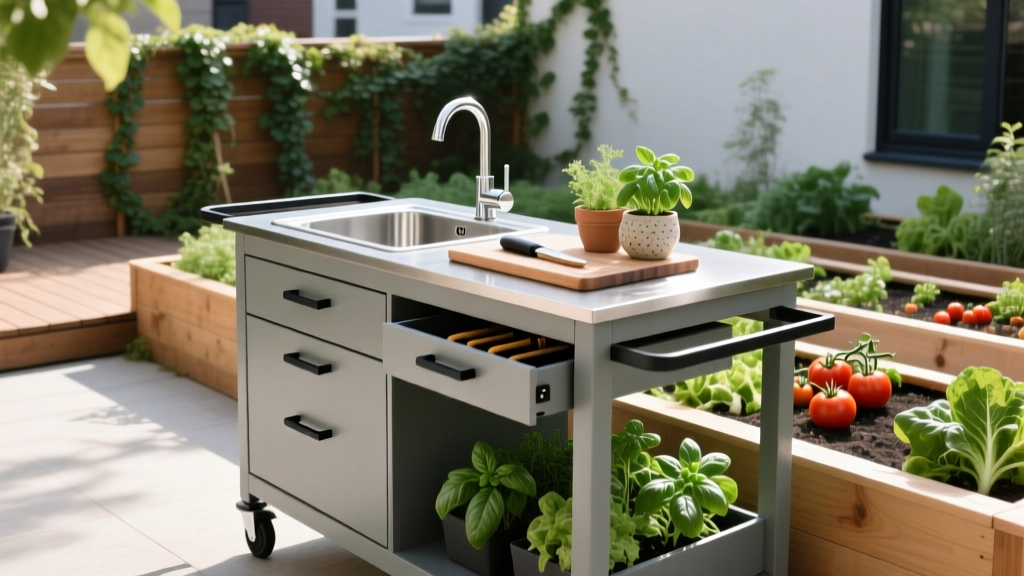
2026 Raised Bed Harvest Bar Cart: Sink & Storage Setup
Lisa ThompsonPublished
The 2026 Garden-to-Table Revolution: Merging Raised Beds with Outdoor Entertaining
As we navigate the outdoor living trends of 2026, the boundary between the vegetable garden and the entertainment patio has completely dissolved. Homeowners are no longer satisfied with simply growing their own food; they want to harvest, prep, and serve it in the exact same space. This has given rise to one of the most innovative landscaping hybrids of the year: the Raised Bed Harvest Bar Cart. Part mobile potting station, part outdoor wet bar, this specialized setup bridges the gap between muddy gardening tasks and elegant outdoor hosting.
According to Penn State Extension, raised bed gardening continues to dominate home landscaping due to superior soil drainage, ergonomic benefits, and higher yields. But what happens when you want to enjoy those yields immediately without tracking dirt into your indoor kitchen? By integrating a weatherproof bar cart equipped with a sink and secure storage directly at the end of your raised beds, you create a seamless garden-to-glass and garden-to-table workflow.
Core Components of the Ultimate Harvest Bar Cart
Designing a cart that can withstand the elements while serving dual purposes requires careful material selection and smart utility integration. Here is how to build and outfit your station for the 2026 growing season.
1. The Off-Grid Weatherproof Sink Station
The crown jewel of the harvest cart is the sink. When you are pulling muddy root vegetables or picking delicate herbs for cocktails, having a dedicated washing station is crucial. In 2026, the standard is a 15-inch drop-in marine-grade stainless steel basin paired with a 12V solar-powered water pump system. Instead of trenching plumbing lines across your yard, the sink drains into a 5-gallon greywater reservoir that can be easily detached and poured back into the garden beds, while the faucet draws from a separate clean-water jerrycan or a localized rain barrel.
The Environmental Protection Agency (EPA) notes that decentralized rainwater harvesting and greywater reuse are vital components of modern sustainable landscaping. By utilizing a closed-loop basin system on your bar cart, you conserve municipal water while ensuring your freshly picked cucumbers and mint are rinsed right where they are grown.
2. Climate-Controlled Weatherproof Storage
A traditional indoor bar cart relies on open shelving, which is a recipe for disaster in an outdoor garden environment. Pollen, rain, and humidity will ruin cocktail napkins, rust your gardening shears, and degrade your barware. The 2026 solution is integrating High-Density Polyethylene (HDPE) cabinetry—often made from recycled marine plastics—into the lower half of the cart. These weatherproof cabinets feature rust-proof polymer hinges and magnetic latches.
Divide the storage into two distinct zones: a "dirty" side for hori-hori knives, pruning shears, soil thermometers, and gardening gloves, and a "clean" side for shaker tins, jiggers, weatherproof acrylic glassware, and cutting boards. This prevents cross-contamination between garden soil and food-prep tools.
3. Dual-Zone Prep Surfaces
The countertop of your harvest bar cart must be food-safe, water-resistant, and durable enough to handle the impact of dropping a heavy cast-iron trowel or a cocktail shaker. End-grain teak remains a premium choice due to its natural oils and self-healing properties, but 2026 has seen a massive surge in recycled composite decking materials used as countertop surfaces. These composites are entirely impervious to water, require zero sealing, and can be scrubbed with a stiff brush after prepping muddy potatoes or sticky tomatoes.
2026 Material Comparison for Outdoor Bar Carts
Choosing the right frame and surface materials is critical for longevity. Below is a comparison of the top materials used for garden-adjacent bar carts this year.
| Material | Weather Resistance | Maintenance Level | Estimated Cost (2026) |
|---|---|---|---|
| HDPE (Marine Board) | Exceptional (UV & Water proof) | Very Low (Wash with hose) | $$$ |
| Powder-Coated Aluminum | High (Rust-proof, can scratch) | Low (Touch-up paint needed) | $$ |
| Stainless Steel (304) | High (Prone to water spots) | Medium (Requires polishing) | $$$$ |
| Treated Hardwood (Teak) | Moderate (Needs oiling) | High (Annual sealing) | $$$$$ |
Designing Your Raised Beds for the Bar Cart
To maximize the utility of your new sink and prep station, you must plant strategically. Dedicate the raised bed closest to the bar cart to "Garden-to-Glass" and "Garnish" crops. In 2026, the most popular raised bed companions for the outdoor bar include:
- Hardy Herbs: Plant spearmint, Thai basil, and rosemary in reinforced corner pockets of your raised bed. These herbs survive heavy harvesting and are essential for mojitos, gin smashes, and culinary garnishes.
- Beverage Cucumbers: Grow bush varieties of cucumbers on a low trellis attached to the side of the raised bed. They can be sliced directly on the cart's prep surface for infused waters or cocktails.
- Spicy Peppers: Jalapeños and habaneros thrive in the well-draining soil of raised beds. Keep them within arm's reach of the cart for immediate muddling into spicy margaritas.
- Sweet Cherry Tomatoes: Varieties like 'Sun Gold' are perfect for snacking while tending the garden or dropping into savory cocktails like a Bloody Mary.
Food safety is paramount when mixing gardening with food prep. The FDA guidelines on raw produce safety strongly recommend washing all fresh fruits and vegetables under clean, running water before consumption or preparation. Having a dedicated sink right at the raised bed ensures you rinse off soil-borne pathogens and organic fertilizers before the produce ever touches your cutting board or cocktail shaker.
Step-by-Step Placement and Utility Routing
Where you place the cart is just as important as how it is built. Follow these 2026 best practices for positioning:
- The Gravel Pad: Do not place heavy, water-loaded carts directly on mulch or grass, as they will sink and rot the base. Lay down a 4-inch base of crushed pea gravel at the head of your raised bed to ensure proper drainage and stability.
- Ergonomic Clearance: Maintain at least 36 inches of clearance between the edge of the raised bed and the working side of the bar cart. This allows you to bend over the bed to harvest, turn 180 degrees, and immediately drop your yield into the sink without taking a step.
- Sunlight Alignment: Position the cart so that the prep surface is shaded during the late afternoon when you are most likely to be entertaining, but ensure any integrated solar panels for the water pump are fully exposed to the southern sky.
Winterization and Seasonal Maintenance
Even the most weatherproof setups require seasonal care. As the 2026 growing season winds down and frost threatens, you must winterize the cart's water system. Disconnect the 12V solar pump, drain the 5-gallon reservoirs, and store the battery indoors to prevent freezing damage. Wipe down the HDPE cabinets with a mild vinegar solution to remove any lingering aphid honeydew or soil splatter. Finally, cover the prep surface with a breathable, UV-resistant canvas cover to protect it from winter debris and snow load, ensuring your harvest bar cart is ready to roll the moment the spring soil thaws.
