Home & Garden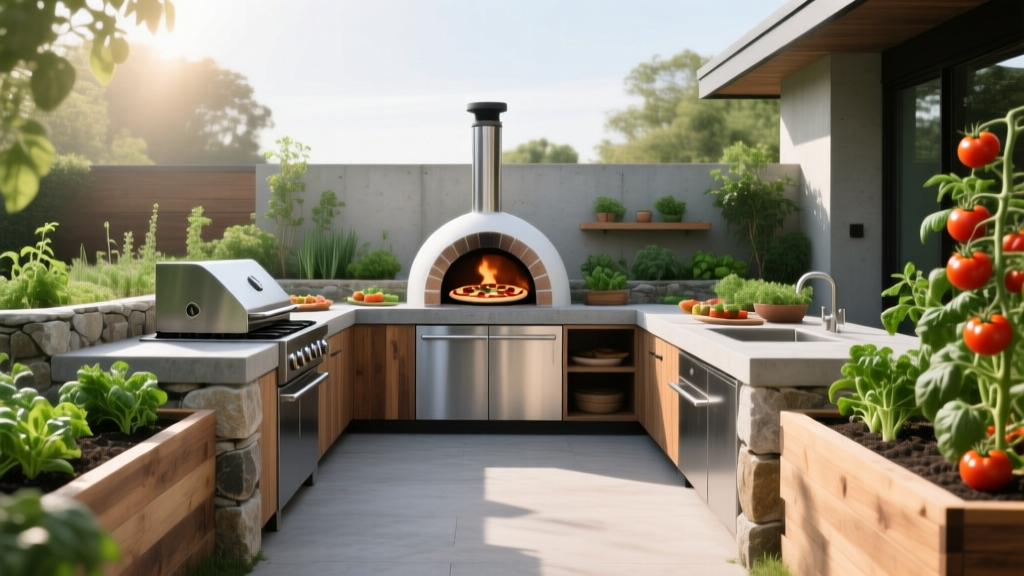
2026 Outdoor Kitchen & Pizza Oven Raised Bed Garden Design
Sarah ChenPublished
The 2026 Garden-to-Table Paradigm: Merging Hardscape and Harvest
In 2026, the concept of the outdoor kitchen has evolved far beyond a simple patio grill and a prep counter. Today’s premier landscape architecture focuses on the seamless integration of culinary hardscapes with living, breathing garden spaces. For the avid home gardener and outdoor chef, the ultimate goal is the 'zero-step harvest'—designing an outdoor kitchen with a built-in grill and masonry pizza oven that is directly surrounded by, and integrated with, raised bed vegetable gardens. This garden-to-table setup not only elevates your culinary experience but also creates a stunning, functional focal point in your backyard.
However, merging high-heat cooking appliances with delicate vegetable crops requires careful planning. Radiant heat from a 900°F pizza oven, grease splatter from a hybrid grill, and the microclimates created by stone masonry can all impact your soil health and plant vitality. This comprehensive guide will walk you through the strategic layout, material selection, and horticultural techniques required to build a thriving raised bed garden around your outdoor kitchen in 2026.
Zoning and the Outdoor Culinary Triangle
When designing an outdoor kitchen adjacent to raised beds, you must adapt the traditional indoor 'work triangle' (sink, stove, refrigerator) to an outdoor 'culinary triangle' that includes the harvest zone. The three points of this triangle are:
- The Harvest Zone (Raised Beds): Positioned for easy access from the prep area, avoiding high-traffic walkways.
- The Prep & Wash Zone: A dedicated counter space with an under-mount sink and cutting boards, ideally situated between the beds and the cooking appliances.
- The Cooking Zone (Grill & Pizza Oven): The anchor of the hardscape, requiring proper venting, gas lines, and thermal clearance.
In 2026, modular outdoor kitchen systems like the Coyote Outdoor Living modular series allow for curved or L-shaped layouts that naturally 'hug' raised bed gardens. By placing your prep sink at the corner of the L-shape, you can reach back to snip fresh basil from a raised bed, turn to wash it in the sink, and pivot to top your pizza in the built-in oven—all within a three-foot radius.
Managing Radiant Heat and Microclimates
The most critical challenge in placing raised beds near a built-in pizza oven is thermal management. Wood-fired and gas-assisted pizza ovens, such as the popular Alfa Forni Classico built-in models, generate immense radiant heat. If a raised bed is placed too close, the ambient temperature around the soil can spike, causing cool-season crops like lettuce and spinach to bolt prematurely, or scorching the leaves of delicate herbs.
To mitigate this, landscape designers in 2026 are utilizing 'thermal breaks' and strategic buffer zones. A minimum clearance of 36 inches is required between the front of the pizza oven and any soil-bearing structure to allow for safe operation and heat dissipation. For the sides and rear of the oven, where heat radiates through the masonry, you should incorporate a buffer. Planting heat-tolerant, woody herbs like rosemary and thyme on the side of the bed closest to the oven is an excellent strategy, as these Mediterranean plants thrive in the warm, dry microclimate created by the thermal mass of the oven's stone surround.
According to research on microclimates and planting strategies from the University of Minnesota Extension, utilizing hardscapes like stone or brick can extend your growing season by absorbing heat during the day and releasing it at night. By positioning your raised beds on the east side of your outdoor kitchen, the plants will receive gentle morning sun while being shaded from the harsh, scorching late-afternoon heat by the kitchen's roof or pergola structure.
2026 Raised Bed Materials for Hardscape Integration
When your raised beds are permanently integrated into an outdoor kitchen, traditional rotting wood or flimsy plastic beds will not suffice. The materials must complement the masonry of the pizza oven and withstand the rigors of an active cooking environment. Below is a comparison of the top raised bed materials trending in 2026 for outdoor kitchen integration:
| Material | Aesthetic Match | Heat Resistance | 2026 Est. Cost (per 4x8 bed) | Best Use Case |
|---|---|---|---|---|
| Corten Steel | Industrial/Modern | High (Dissipates heat well) | $450 - $650 | Adjacent to grills; excellent for retaining warmth in cooler climates. |
| Modular Concrete Blocks | Seamless Masonry | Very High (Matches oven base) | $300 - $500 | Creating a unified, permanent stone look that matches the pizza oven base. |
| Composite Timber (e.g., Trex/Veo) | Warm/Traditional | Moderate (Can warp near high heat) | $500 - $750 | Harvest zones located 5+ feet away from the direct heat of the cooking zone. |
Corten steel has become the undisputed favorite in 2026 for garden-to-table layouts. Its rusted patina provides a beautiful, earthy contrast to the clean stucco or stone of an outdoor kitchen, and its thin profile maximizes soil volume in tight spaces. Furthermore, steel is entirely impervious to the grease splatter and high-heat cleaning routines associated with nearby grilling stations.
The Pizza & Grill Harvest Bed: What to Plant
The beauty of the integrated outdoor kitchen is the ability to grow ingredients specifically tailored to your cooking style. For a pizza oven and grill setup, you should dedicate your closest raised beds to a 'Culinary Harvest Mix.' According to the UW-Madison Master Gardener program, raised beds allow for intensive planting and superior soil control, which is vital for heavy-feeding culinary crops.
The Pizza Bed (Full Sun, High Nutrients)
- San Marzano Tomatoes: Grown on heavy-duty trellises attached to the back of the raised bed. These paste tomatoes are essential for rich, low-moisture pizza sauces.
- Genovese Basil & Greek Oregano: Plant these in the front corners of the bed for easy snipping while rolling out dough on the adjacent prep counter.
- Calabrian Chili Peppers: Perfect for creating artisanal hot honey or spicy oil drizzles for finished pizzas.
The Grill Master’s Bed (Heat Tolerant, Aromatic)
- Woody Herbs (Rosemary, Thyme, Sage): Plant these on the side of the bed facing the grill. Not only do they tolerate the heat, but you can toss fresh, damp sprigs of rosemary directly onto the grill grates or into the pizza oven to infuse smoke flavor into meats and vegetables.
- Garlic & Scallions: Excellent for quick grill-roasting and making compound butters for steaks and artisan breads.
Smart Irrigation and Soil Moisture Retention
Outdoor kitchens feature extensive impermeable surfaces (stone counters, concrete pads, masonry ovens) that alter natural water drainage and increase ambient temperatures, leading to faster soil evaporation in nearby raised beds. Relying on hand-watering or overhead sprinklers is inefficient and risks damaging the outdoor kitchen's electronics and finishes.
In 2026, integrating smart, subsurface drip irrigation is the industry standard. Following EPA WaterSense guidelines, drip irrigation delivers water directly to the root zone, reducing evaporation by up to 60% compared to traditional methods. Run 1/4-inch drip lines beneath a 2-inch layer of organic mulch (such as shredded hardwood or straw) in your raised beds. Connect the system to a smart controller like the Rachio 4, which uses local hyper-weather data to adjust watering schedules automatically. This ensures your tomatoes receive consistent moisture to prevent blossom end rot, without ever spraying water onto your pizza oven's stone hearth or the grill's ignition system.
Step-by-Step Construction Sequence
To ensure structural integrity and protect your garden investments, the construction of an integrated outdoor kitchen and raised bed garden must follow a strict sequence:
- Utility Trenching & Hardscape Base: Before any beds are built, lay the gas lines for the grill and pizza oven, electrical lines for outdoor lighting and the smart irrigation controller, and plumbing for the prep sink. Pour the reinforced concrete footings for the masonry kitchen island.
- Masonry & Appliance Installation: Build the outdoor kitchen island, install the built-in grill, and set the pizza oven. Seal all stone and stucco surfaces with a high-temperature, food-safe masonry sealer to prevent grease and soil stains.
- Raised Bed Framing: Install the Corten steel or modular block raised beds. Ensure they are anchored to the patio base but maintain the required 36-inch thermal buffer from the oven's exhaust and firebox.
- Soil Filling & Irrigation: Fill the beds with a 2026-optimized garden-to-table soil mix: 40% premium compost, 40% high-quality topsoil, and 20% pumice for drainage. Lay the smart drip irrigation lines over the soil.
- Planting & Mulching: Transplant your culinary herbs and vegetables, cover the drip lines with organic mulch, and sync your smart irrigation controller to the local Wi-Fi network.
Conclusion
Designing an outdoor kitchen with a built-in grill and pizza oven from the perspective of a raised bed vegetable gardener transforms a simple backyard patio into a living, culinary ecosystem. By respecting thermal buffers, choosing durable materials like Corten steel, and planting a targeted harvest of pizza-ready crops, you create a space where the journey from seed to slice is measured in mere footsteps. As outdoor living trends continue to prioritize sustainability and hyper-local food sources in 2026, the integrated garden-to-table kitchen stands as the ultimate achievement in home landscape design.
