Home & Garden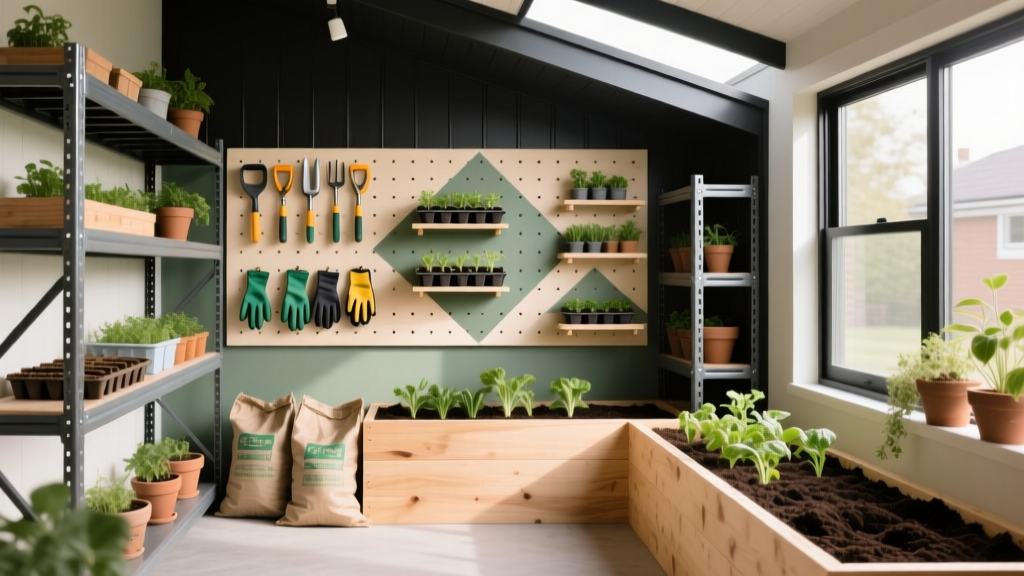
2026 Raised Bed Garden Shed Pegboard Shelving Setup
Emily WatsonPublished
The Ultimate 2026 Garden Shed Organization Guide for Raised Bed Growers
Welcome to the 2026 growing season. If you are dedicated to raised bed vegetable gardening, you already know that this method offers superior soil drainage, better pest control, and higher yields per square foot. However, the sheer volume of soil amendments, specialized hand tools, and seed-starting supplies required to maintain a thriving raised bed garden can quickly turn a standard garden shed into a chaotic mess. A disorganized shed wastes your time and can lead to damaged tools or spoiled organic fertilizers.
This year, the gold standard for garden shed organization revolves around a hybrid system: heavy-duty wire shelving for bulk materials and a customizable metal pegboard wall for daily-use tools. By bridging the gap between indoor organizational efficiency and outdoor ruggedness, you can create a seamless workflow that takes you from seed starting to harvest without missing a beat. Below, we detail exactly how to design, build, and maintain the perfect shed layout tailored specifically for raised bed vegetable gardening in 2026.
Why Raised Bed Gardeners Need a Specialized Shed Layout
Raised bed gardening is distinct from traditional in-row tilling. According to the Old Farmer's Almanac, raised beds require a specific, fluffy soil structure that must be replenished annually. This means your shed must accommodate bulky bags of compost, vermiculite, peat moss, or coconut coir, alongside heavy liquid organic fertilizers like fish emulsion and kelp meal.
Furthermore, the tools used in raised beds are predominantly ergonomic hand tools and specialized short-handled implements. Broadforks, collinear hoes, Hori Hori soil knives, and hand trowels are used daily. Tossing these into a bin dulls their blades and creates a safety hazard. A dedicated pegboard wall keeps blades sharp, handles dry, and tools visible. When you integrate smart home technology and modular shelving, your shed becomes an extension of your home's utility space, perfectly bridging indoor organization with outdoor labor.
Heavy-Duty Shelving for Bulk Soil and Compost Storage
The foundation of your raised bed garden shed is the shelving unit. Standard wooden or plastic shelving will bow and warp under the weight of soil amendments. In 2026, the top recommendation is heavy-duty, powder-coated wire or steel industrial shelving, such as the Gladiator or Husky commercial-grade units.
Storing Soil Amendments Safely
Proper storage of organic matter is crucial. The Environmental Protection Agency (EPA) notes that compost and organic fertilizers need adequate airflow to prevent anaerobic bacteria growth, which causes foul odors and degrades the nutrient profile. Wire shelving is ideal here because it allows air to circulate around 40-pound bags of compost and worm castings.
- Bottom Shelf (Heavy Zone): Reserve the bottom 18 inches for bulk items. Store bags of raised bed soil mix, compost, and heavy liquid fertilizer jugs here to keep the center of gravity low and prevent tipping.
- Middle Shelves (Active Zone): Use modular, clear acrylic bins to store smaller amendments like bone meal, blood meal, and azomite. Labeling these bins with a smart label maker ensures you never confuse your nitrogen sources with your phosphorus sources.
- Top Shelf (Lightweight Zone): Store empty harvest baskets, spare row covers, and lightweight trellis netting.
Designing the Ultimate Pegboard Wall for Hand Tools
The pegboard wall is the heart of your shed's workflow. While traditional brown masonite pegboard was the standard a decade ago, 2026 shed designs heavily favor galvanized steel or powder-coated aluminum pegboards. These modern materials resist the high humidity and temperature fluctuations inherent in garden sheds, preventing warping and mold growth.
When planning your pegboard layout, group your tools by their function in the raised bed lifecycle:
1. Soil Preparation and Maintenance Zone
Hang your broadforks, digging forks, and mattocks on heavy-duty, double-pronged steel hooks. Because raised beds are often narrower than traditional rows, short-handled digging forks are common. Use magnetic tool strips mounted directly to the metal pegboard to hold your Hori Hori knives, pruning shears, and soil thermometers. This keeps the sharpest tools safely out of the way but instantly accessible.
2. Planting and Weeding Zone
Use small, single-prong hooks for hand trowels, cultivators, and dibbers. Hang a specialized twine dispenser on the pegboard to easily tie up indeterminate tomatoes or climbing beans as they grow up their trellises.
Pegboard Material Comparison for 2026
Choosing the right pegboard material is critical for longevity. Below is a comparison of the three primary materials available on the market this year.
| Material | Humidity Resistance | Weight Capacity | Best For |
|---|---|---|---|
| Galvanized Steel | Excellent | High (up to 100 lbs per hook) | Heavy hand tools, broadforks, wet environments |
| Powder-Coated Aluminum | Excellent | Medium (up to 50 lbs per hook) | Lightweight hand tools, pruning shears, twine |
| High-Density Polyethylene (Plastic) | Good | Low (up to 20 lbs per hook) | Gloves, seed packets, lightweight accessories |
| Traditional Masonite (Wood) | Poor | Medium | Indoor, climate-controlled garages only |
For the dedicated raised bed gardener, a galvanized steel pegboard system is the undisputed best choice for 2026, offering the durability needed to hold heavy soil-crusting tools without degrading in damp conditions.
Zoning Your Shed: Seed Starting and Harvest
A well-organized shed bridges the gap between the garden and the kitchen. Dedicate a specific corner of your shed to seed starting and harvest prep.
The Seed Starting Station
Raised bed gardening relies heavily on succession planting. To support this, install a dedicated wire shelf near a window or outfitted with 2026 energy-efficient LED grow light strips. Store your seed trays, humidity domes, and organic seed-starting mix here. Use a smart plug connected to your home Wi-Fi to automate the grow lights and seedling heat mats, ensuring optimal germination rates even when you are away from home.
The Harvest and Wash Station
According to experts at the Gardeners Supply Company, keeping soil out of your indoor kitchen is a top priority for garden-to-table cooks. Set up a small utility sink or a wash basin on a sturdy lower shelf. Hang wire harvest baskets on heavy pegboard hooks so they can air dry completely after washing, preventing mildew. Keep a dedicated set of vegetable brushes and organic produce wash on this shelf.
Step-by-Step Installation and Spacing Guide
To ensure your pegboard and shelving setup is safe and functional, follow these precise installation steps:
- Map the Space: Measure your shed wall. Ensure you leave at least 36 inches of clearance in front of the shelving for a wheelbarrow or garden cart to pass.
- Install Furring Strips: Never mount pegboard directly flush against the wall. Attach 1x2 wooden furring strips horizontally across the wall studs. This creates a crucial 1-inch gap behind the board, allowing air to circulate and preventing condensation buildup that leads to rust.
- Mount the Pegboard: Secure the metal pegboard to the furring strips using galvanized pan-head screws with washers. Ensure the board is perfectly level.
- Anchor the Shelving: Heavy-duty wire shelving must be anchored to the wall studs using lag bolts. Soil bags are incredibly dense, and an unanchored shelf poses a severe tipping hazard.
- Configure Hooks: Insert your pegboard hooks and secure them with locking clips. In a shed environment, vibrations from closing doors or moving equipment can shake standard hooks loose. Locking clips are mandatory for safety.
2026 Smart Shed Integrations
Modern garden sheds are no longer just dark, dusty storage boxes. Integrating smart home technology into your shed organization system elevates your gardening efficiency. Install motion-sensor LED strip lighting under your wire shelving units to illuminate the lower tiers where bulk soils are stored. Additionally, consider mounting a smart indoor/outdoor camera near the shed door to monitor tool inventory and deter theft.
For climate control, a smart thermostat or humidity sensor placed near your seed-starting shelving zone can send alerts to your smartphone if the shed temperature drops below freezing, protecting your sensitive liquid fertilizers and seed stocks from cold damage.
Conclusion
Upgrading your garden shed with a metal pegboard wall and heavy-duty wire shelving is a transformative project for any raised bed vegetable gardener. By creating dedicated zones for bulk soil storage, ergonomic hand tools, and seed starting, you streamline your daily gardening chores and protect your valuable equipment. As you prepare for the 2026 planting season, take the time to implement this organizational system. A well-ordered shed means less time searching for misplaced tools and more time enjoying the abundant harvests that raised bed gardening provides.
