Home & Garden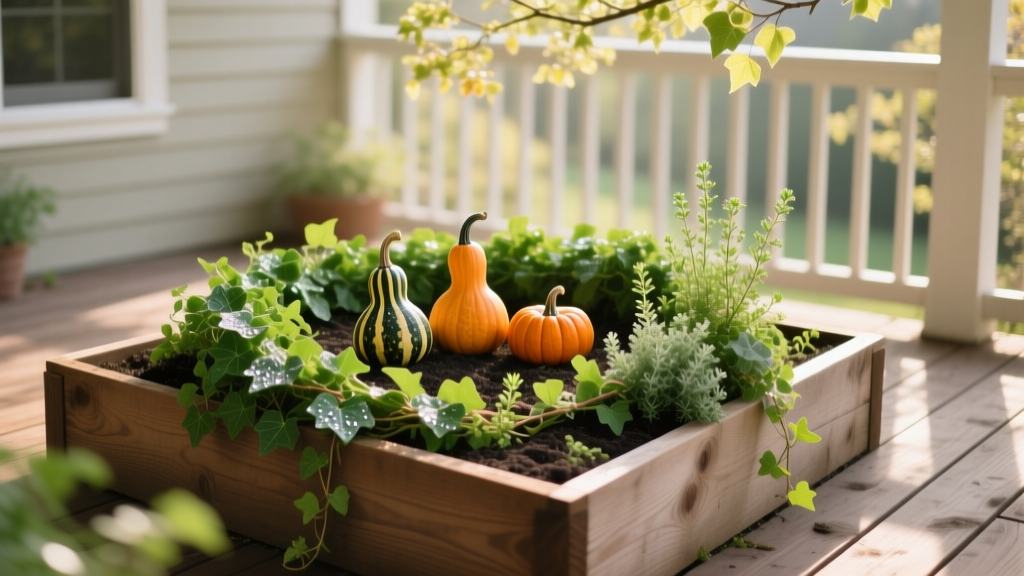
2026 Raised Bed Guide: Spring Wreath & Fall Pumpkin Decor
James MillerPublished
The Garden-to-Porch Movement in 2026
In 2026, the line between functional vegetable gardening and aesthetic outdoor living has completely blurred. Homeowners are no longer satisfied with purchasing mass-produced, plastic-heavy seasonal decorations. Instead, the 'garden-to-porch' movement has taken over, encouraging gardeners to cultivate their own seasonal porch decor directly from their raised beds. By dedicating specific zones of your raised bed vegetable garden to high-impact ornamental crops, you can harvest bespoke materials for a lush spring wreath and a stunning, heirloom fall pumpkin display. This approach not only reduces your carbon footprint but also guarantees that your porch decor is entirely unique, hyper-local, and deeply connected to your own backyard ecosystem.
Optimizing Your Raised Beds for Dual-Season Decor
To successfully grow both delicate spring foliage and heavy fall gourds, your raised bed infrastructure must be robust. The standard for 2026 is a 4x8-foot galvanized steel or untreated cedar bed, elevated at least 17 inches to accommodate the deep taproots of certain pumpkin varieties and to ensure proper drainage for sensitive spring cut flowers.
Soil and Irrigation Setup
For dual-purpose decor beds, soil structure is paramount. Use a mix of 40% premium compost, 40% loamy topsoil, and 20% pumice or perlite. This ensures the heavy feeding requirements of fall pumpkins are met while preventing the root rot that can plague spring foliage crops like rosemary and lavender. Integrate a smart drip irrigation system, such as the 2026 Rachio 4 Smart Sprinkler Controller with micro-drip emitters, which uses hyper-local weather data to adjust watering schedules. This prevents water from splashing onto the leaves of your spring wreath materials, which can cause fungal issues and ruin the aesthetic quality of the foliage.
Cultivating Spring Wreath Foliage and Blooms
Creating a breathtaking spring wreath requires a balance of structural greenery, trailing vines, and delicate focal blooms. According to the University of Minnesota Extension, growing your own cut flowers and foliage allows for superior freshness and longevity compared to store-bought alternatives, as you control the harvest timing and hydration.
Structural Greenery and Vines
- Rosemary (Rosmarinus officinalis): Plant 'Tuscan Blue' rosemary in the corners of your raised bed. Its woody stems provide an excellent, fragrant base for wreath wiring.
- Silver Dollar Plant (Lunaria annua): Grown for its stunning, translucent seed pods and broad green leaves, this biennial adds a sophisticated, architectural element to spring arrangements.
- Creeping Jenny (Lysimachia nummularia): Allow this vibrant green trailer to spill over the edges of your raised bed. Harvest the long, flexible runners to weave through your wreath form for a cascading effect.
Focal Blooms
Interplant your greenery with cool-season bloomers like ranunculus, sweet peas, and early pansies. Sweet peas (Lathyrus odoratus) are particularly valuable; their tendrils naturally wrap around wreath frames, reducing the need for floral wire. Harvest all spring materials in the early morning when the plant's cellular water content is at its peak, and immediately plunge the stems into a bucket of cold water mixed with a botanical hydrating solution.
Growing the Perfect Fall Pumpkin Display
When the spring blooms fade, transition your raised bed focus toward the ultimate autumn statement piece: the fall pumpkin display. Forget the standard, watery orange field pumpkins used for carving. For a sophisticated 2026 porch display, you want heirloom and specialty gourds with unique textures, colors, and exceptional shelf life.
Top Heirloom Varieties for Porch Decor
- 'Rouge Vif d'Etampes' (Cinderella Pumpkin): Features deep, dramatic lobes and a vibrant reddish-orange hue. Perfect for stacking on porch steps.
- 'Jarrahdale': A stunning blue-grey pumpkin with sweet, thick flesh. Its muted color palette pairs beautifully with dried corn stalks and autumn leaves.
- 'Lumina': A ghostly white pumpkin that provides striking contrast against dark wooden porch floors and evergreen wreaths.
Space Management and Trellising
Pumpkins are notorious space-hogs, often sending vines sprawling up to 15 feet. To grow them in a 4x8 raised bed, vertical gardening is mandatory. Install a heavy-duty cattle panel A-frame trellis. As the pumpkins develop and gain weight, support each fruit with a fabric hammock (often made from old t-shirts or shade cloth) tied securely to the trellis. This keeps the gourds off the damp soil, preventing rot and ensuring a blemish-free rind for your porch display. The Penn State Extension emphasizes that proper trellising and airflow are critical for preventing powdery mildew, a common issue in dense raised bed plantings.
2026 Raised Bed Planting and Harvest Calendar
Timing is everything when coordinating your garden harvests with seasonal holidays. Use this calendar to ensure your materials are ready exactly when you need them.
| Season / Month | Activity | Target Crop / Material |
|---|---|---|
| Early Spring (March) | Sow seeds indoors, prep bed soil | Sweet peas, Rosemary cuttings |
| Mid Spring (April) | Transplant, harvest early foliage | Ranunculus, Creeping Jenny, Pansies |
| Late Spring (May) | Assemble and display spring wreaths | Finished Wreath Display |
| Early Summer (June) | Direct sow pumpkin seeds, install trellis | Heirloom Pumpkin Varieties |
| Mid Summer (July) | Hand-pollinate, attach fruit hammocks | Developing Pumpkins |
| Early Fall (Sept) | Harvest, cure, and arrange on porch | Cinderella, Jarrahdale, Lumina |
Cost Analysis: DIY Garden Decor vs. Retail in 2026
One of the most compelling reasons to grow your own porch decor is the significant financial savings, especially as premium, artisanal decor prices have surged in 2026.
| Decor Item | 2026 Retail Boutique Cost | DIY Raised Bed Cost (Seeds/Soil) | Estimated Savings |
|---|---|---|---|
| Premium Fresh Floral Spring Wreath | $145.00 | $22.00 | $123.00 |
| Set of 3 Heirloom Porch Pumpkins | $85.00 | $12.00 | $73.00 |
| Artisan Dried Vine Garland | $65.00 | $8.00 | $57.00 |
| Total Seasonal Decor Budget | $295.00 | $42.00 | $253.00 |
Harvesting, Curing, and Assembly Techniques
Growing the materials is only half the battle; proper post-harvest handling ensures your decor survives the elements on your porch.
Spring Wreath Assembly
Ditch the toxic, non-biodegradable floral foam that dominated the industry in the past. In 2026, sustainable wreath-making relies on chicken wire armatures or grapevine bases packed with damp sphagnum moss. Wire your rosemary and silver dollar plant stems directly to the frame, then tuck the delicate sweet peas and pansies into the moss. Mist the completed wreath with water every two days and hang it in a shaded, protected area of your porch to maximize its lifespan, which should easily reach three to four weeks.
Harvesting and Curing Fall Pumpkins
According to The Old Farmer's Almanac, pumpkins must be fully cured before they are subjected to the damp, cool conditions of an autumn porch. Harvest your heirloom pumpkins when the rind is hard enough that it cannot be easily punctured with a thumbnail, and the stem has begun to cork and turn brown. Always cut the stem with pruning shears, leaving at least 3 to 4 inches attached; never carry a pumpkin by its stem, as a broken stem creates an entry point for rot-causing bacteria.
After harvesting, wipe the pumpkins down with a solution of one part white vinegar to ten parts water to eliminate surface pathogens. Let them cure in a warm, dry, well-ventilated area (like a greenhouse or a sunny garage) for 10 to 14 days. This curing process hardens the skin and seals the stem, ensuring your 'Jarrahdale' and 'Lumina' pumpkins remain pristine and rot-free on your porch well past Thanksgiving. By integrating these specialized crops into your raised bed vegetable garden, you transform your outdoor space into a year-round engine for sustainable, breathtaking home decor.
