Home & Garden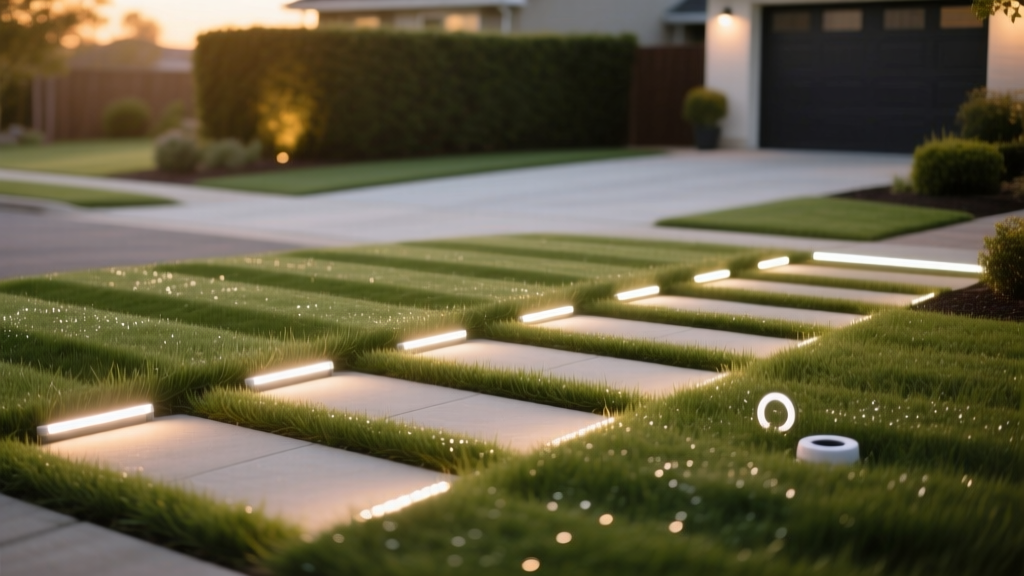
Ring vs Philips Hue Pathway Lights 2026: Lawn Patterns
Sarah ChenPublished
The Evolution of Lawn Striping After Dark
Lawn striping is a hallmark of meticulous landscape maintenance. By bending grass blades in alternating directions, homeowners and groundskeepers create striking checkerboards, diamonds, and wave patterns that elevate a simple yard into a manicured estate. However, as the sun sets, these beautiful geometric patterns traditionally vanish into the shadows. In 2026, the integration of smart outdoor lighting has changed the game, allowing turf enthusiasts to showcase their lawn striping long after dusk. But not all smart lights are created equal when it comes to highlighting turf geometry.
When choosing between the two titans of smart outdoor illumination—Ring Smart Lighting and Philips Hue Outdoor—the decision goes far beyond basic app connectivity. It comes down to beam angles, color temperatures, and directional control. In this comprehensive guide, we break down how Ring and Philips Hue pathway lights perform in 2026, specifically through the lens of lawn striping and aesthetic pattern enhancement.
The Physics of Illuminating Turf Patterns
To understand why your choice of pathway light matters, you must first understand the physics of lawn stripes. The alternating light and dark bands on a lawn are an optical illusion created by light reflection. When grass blades are bent away from you, they reflect more sunlight, appearing lighter. When bent toward you, the shadowed underside of the blade is exposed, creating a dark stripe.
At night, the omnidirectional sunlight is replaced by localized artificial light sources. If you use a pathway light with a harsh, omnidirectional diffuser, the light scatters evenly across the turf, effectively washing out the shadows and erasing your stripes. To maintain pattern visibility at night, you need directional lighting that mimics the low-angle grazing effect of the late afternoon sun. This is where the hardware differences between Ring and Philips Hue become critical.
Ring Smart Lighting Pathway: The 2026 Lineup
Ring has long dominated the smart home security space, and their 2026 Pathlight Pro lineup continues to focus on safety, motion tracking, and seamless integration with Ring security cameras. The latest Pathlight Pro models feature a sleek, matte-black aluminum chassis and a frosted polycarbonate diffuser designed to cast a wide, even pool of light.
Pros for Lawn Aesthetics
- Motion-Activated Highlighting: Ring’s rapid motion zones can trigger a sequential light-up effect along a curved pathway, drawing the eye along the geometric borders of your lawn patterns.
- Adjustable Brightness: The 2026 models allow you to dim the lights to 20% during evening hours, which helps prevent the intense glare that washes out subtle turf stripes.
- Security Synergy: If your lawn patterns are designed to guide visitors toward your front door, Ring’s integration with doorbells and cameras creates a cohesive, secure arrival experience.
Cons for Lawn Aesthetics
The primary drawback of Ring for lawn striping is its omnidirectional light distribution. The frosted diffuser scatters light in a 360-degree radius. While excellent for illuminating a walkway for safety, this scattered light fills in the micro-shadows created by bent grass blades, significantly reducing the contrast of your lawn stripes. Furthermore, Ring’s color temperature is generally locked to a cooler 3500K-4000K range, which can give warm-season grasses like Bermuda or Zoysia a slightly artificial, bluish tint at night.
Philips Hue Outdoor Pathway: The 2026 Premium Standard
Philips Hue approaches outdoor lighting from an ambiance and aesthetic perspective. The 2026 iterations of the Hue Calla Bollard and the low-profile Amarant fixtures are designed with directional optics and full RGBWW (Red, Green, Blue, Warm White, Cool White) color mixing capabilities. For the lawn striping purist, Hue offers unparalleled creative control.
Pros for Lawn Aesthetics
- Directional Optics: The Hue Calla Bollard features an asymmetrical lens that directs light forward and downward rather than scattering it upward. By placing these lights along the edge of your lawn and angling them across the grass, you recreate the low-angle grazing light necessary to make lawn stripes pop at night.
- Color Temperature Tuning: Hue allows you to dial in a warm 2700K amber glow. Warm light enhances the natural green and yellow pigments in turfgrass, making the contrast between the light and dark stripes much more pronounced and natural-looking.
- Dynamic Scenes: Want to highlight a diamond pattern? You can use the Hue app to set alternating lights to slightly different warm-white intensities, creating a secondary layer of geometric contrast on the grass.
Cons for Lawn Aesthetics
The Philips Hue ecosystem is undeniably more expensive. Outfitting a long, winding pathway that borders a large striped lawn requires a significant investment in bollards, the outdoor power supply, and potentially the Hue Bridge if your home hub does not support the latest Matter or Zigbee standards natively. Additionally, the low-profile nature of the Amarant can sometimes be obscured by overgrown border plants if not carefully maintained.
Feature Comparison: Ring vs. Philips Hue (2026 Models)
| Feature | Ring Pathlight Pro (2026) | Philips Hue Calla Bollard (2026) |
|---|---|---|
| Primary Focus | Security & Motion Tracking | Ambiance & Color Control |
| Light Distribution | 360° Omnidirectional Diffused | Directional / Asymmetrical Grazing |
| Color Temperature | Fixed ~3500K (Cool White) | 2200K - 6500K + 16M Colors |
| Lumen Output | Up to 1200 Lumens (Boost Mode) | Up to 625 Lumens (Per Bollard) |
| Smart Hub Required? | Yes (Ring Bridge or compatible Echo) | No (Matter/Zigbee native in 2026) |
| Lawn Stripe Contrast | Low (Washes out shadows) | High (Enhances shadows via grazing) |
| Estimated Cost Per Fixture | $75 - $90 | $140 - $170 |
Smart Home Integration and the Matter Protocol
One of the most significant shifts in 2026 is the universal adoption of the Matter protocol. According to the Connectivity Standards Alliance, Matter has unified the smart home landscape, meaning you no longer need to choose sides based on your smart speaker preference. Both Ring and Philips Hue now offer robust Matter support, allowing them to be integrated into Apple Home, Google Home, and Amazon Alexa seamlessly.
For landscape lighting, this means you can create complex, cross-brand automations. For example, you can use a Ring motion sensor at the edge of your driveway to trigger a Philips Hue pathway scene that slowly fades up to a warm 2700K glow, perfectly illuminating your checkerboard lawn pattern without blinding approaching guests. This interoperability allows homeowners to use Ring for security floodlights and Hue for the delicate, low-level pathway lighting required for turf aesthetics.
Strategic Placement for Geometric Lawns
Regardless of the brand you choose, the physical placement of your pathway lights will dictate how well your lawn stripes are showcased. Here are the best practices for lighting a patterned lawn in 2026:
1. The Grazing Technique
To highlight the texture and stripes of the grass, lights must be placed at the very edge of the hardscape (pathway or driveway) and aimed horizontally across the turf. The light should barely graze the top of the grass canopy. This creates deep, elongated shadows in the 'dark' stripes and bright highlights on the 'light' stripes.
2. Spacing and Curves
For straight geometric patterns like checkerboards, space your lights exactly 8 to 10 feet apart to create a rhythmic visual cadence that matches the mowing lines. For wave or diamond patterns, use flexible low-voltage wiring to curve the lights along the landscape borders, following the natural flow of the turf design.
3. Shielding and Glare Reduction
The U.S. Department of Energy recommends using shielded fixtures that direct light downward to minimize glare and light trespass. Glare is the enemy of lawn striping; if the light source is visible from your primary viewing angle (like a patio or deck), it will blind you to the subtle contrasts in the grass. Philips Hue’s Calla Bollard excels here with its built-in optical shielding, whereas Ring’s Pathlight may require strategic placement behind low-lying border shrubs to hide the bulb.
Environmental Considerations and Light Pollution
As outdoor lighting becomes more prevalent, responsible illumination is critical. DarkSky International advocates for lighting that is only as bright as necessary, shielded to prevent upward light spill, and warm in color temperature (under 3000K) to protect local wildlife and circadian rhythms.
From an aesthetic standpoint, DarkSky-compliant lighting actually benefits lawn striping. Warm, low-lumen, downward-facing light preserves the natural contrast of the turf and prevents the 'stadium lighting' effect that flattens visual depth. By utilizing Philips Hue’s ability to drop to a 2200K amber hue and dim to 30% brightness late at night, you satisfy environmental guidelines while maintaining a sophisticated, moody highlight on your landscape patterns.
Final Verdict: Which System Wins for Lawn Aesthetics?
If your primary goal is to showcase intricate lawn striping, checkerboard patterns, and geometric turf designs after dark, Philips Hue is the undisputed champion in 2026. Its directional optics, warm color temperature capabilities, and asymmetrical light distribution allow you to manipulate shadows and highlights exactly as the sun does during the day. The ability to 'graze' the turf with warm light preserves the optical illusion of the stripes.
However, Ring remains an excellent choice for homeowners who prioritize security, motion-activated safety, and budget-friendly pathway illumination over high-end turf aesthetics. For the ultimate 2026 landscape setup, consider a hybrid approach: use Ring floodlights and security cameras for the perimeter and dark corners of your yard, and line your primary pathways with Philips Hue bollards to turn your meticulously striped lawn into a nighttime masterpiece.
