Home & Garden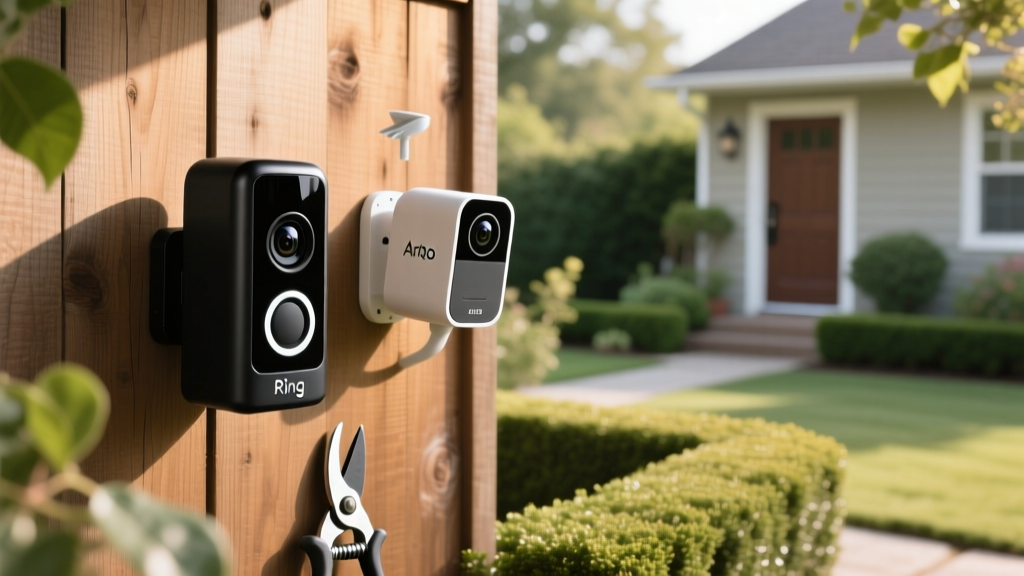
Ring vs Arlo Weatherproofing & Landscape Pruning 2026
Mike RodriguezPublished
As we navigate the 2026 landscaping season, the integration of smart home security and outdoor garden design has never been more sophisticated. Homeowners are increasingly relying on advanced outdoor security cameras to monitor their properties, protect garden-to-table harvests, and keep an eye on outdoor living spaces. However, a critical challenge arises at the intersection of horticulture and technology: managing the foliage that surrounds these devices. When comparing the industry leaders—Ring and Arlo—their differing weatherproof ratings and hardware designs dictate how, when, and where you should prune your landscape. This comprehensive guide explores the 2026 Ring vs Arlo weatherproof comparison through the lens of professional pruning methods and timing, ensuring your cameras remain protected from the elements while maintaining crystal-clear sightlines.
The 2026 Weatherproof Showdown: Ring vs. Arlo
To understand how your pruning strategy impacts your hardware, you must first understand the environmental tolerances of the 2026 camera lineups. When you prune back a protective tree canopy or remove an overgrown shrub, you fundamentally alter the microclimate around your mounted camera. A device that was previously shielded from driving rain and harsh midday UV rays may suddenly be fully exposed.
Arlo’s 2026 flagship models, such as the Arlo Pro 5S 2K and the Ultra 2, boast an IP65 weather resistance rating. This means they are entirely dust-tight and protected against low-pressure water jets from any direction. Consequently, Arlo cameras can withstand aggressive "crown reduction" pruning that opens the sky above the camera, leaving it exposed to direct rainfall and sprinkler systems without requiring aftermarket silicone hoods.
Conversely, Ring’s 2026 lineup, including the popular Spotlight Cam Pro and the Pan-Tilt Stick Up Cam, generally carries an IP55 rating. While highly resistant to dust and low-pressure water jets, prolonged exposure to heavy, wind-driven rain or direct, baking sunlight can degrade the seals over time or cause lens flare. If your pruning method removes the natural eaves or dense evergreen canopies that previously sheltered your Ring device, you must install a dedicated sun and rain shield to compensate for the lost foliage.
| Feature | Arlo Pro 5S 2K (2026) | Ring Spotlight Cam Pro (2026) |
|---|---|---|
| IP Rating | IP65 (Dust-tight, water jets) | IP55 (Dust protected, low-pressure jets) |
| Operating Temp | -4°F to 113°F (-20°C to 45°C) | -5°F to 120°F (-20.5°C to 48.5°C) |
| Canopy Pruning Tolerance | High (Can handle full sky exposure) | Moderate (Requires shield if canopy is removed) |
| Field of View | 130° Diagonal | 140° Horizontal, 80° Vertical |
Pruning Methods for Optimal Camera Sightlines
Maintaining a clear "shooting lane" for your security camera requires precise horticultural techniques. Haphazardly hacking away branches not only harms the plant but can create jagged sightlines that trigger false motion alerts. According to the University of Minnesota Extension, proper pruning cuts promote rapid healing and direct future growth away from critical infrastructure.
Thinning Cuts vs. Heading Cuts
Thinning cuts involve removing an entire branch back to its point of origin or a lateral branch. This is the preferred method for clearing camera sightlines. By selectively thinning the interior canopy of a shrub or tree, you allow the camera’s infrared night vision to penetrate the foliage without reflecting off nearby leaves, which causes "white-out" glare on both Ring and Arlo sensors.
Heading cuts, on the other hand, involve snipping off the end of a branch. This stimulates dense, bushy growth right at the cut site. If you use heading cuts near a security camera, you will create a thick wall of new leaves within weeks, completely obstructing your Arlo or Ring lens and forcing you to prune again.
The 1/3 Rule and Structural Integrity
When clearing overgrown privet, arborvitae, or Leyland cypress that has engulfed your exterior walls, never remove more than one-third of the live foliage in a single season. Stripping a plant to bare wood to clear a camera's 140-degree field of view will shock the plant, potentially killing it and leaving you with an unsightly dead hedge. Instead, perform structural pruning over a two-year period, gradually opening the sightline while maintaining the plant's health.
Seasonal Timing: When to Prune for Security
Timing your pruning schedule is just as critical as the method you use. The goal is to align your landscape maintenance with the seasonal security vulnerabilities of your home and the biological cycles of your plants.
Late Winter: The Structural Window
For most deciduous trees and summer-flowering shrubs, late winter (while the plant is fully dormant) is the ideal time for major structural pruning. Because the leaves are gone, you can clearly see the branch architecture and identify exactly which limbs are crossing into your Ring or Arlo camera’s detection zones. Pruning in late winter ensures that when the spring flush of growth arrives, the new foliage is directed away from your hardware. Furthermore, the Royal Horticultural Society (RHS) notes that winter pruning minimizes the risk of disease transmission, as fungal spores and bacterial pathogens are largely inactive in freezing temperatures.
Early Summer: Managing the PIR Trigger Zone
Fast-growing species like wisteria, trumpet vine, or bamboo can breach a camera’s 7-foot mounting height in a matter of weeks during late spring. By early summer, a targeted maintenance prune is necessary. This is not about shaping the plant, but specifically about clearing the "trigger zone." Both Ring and Arlo utilize Passive Infrared (PIR) sensors combined with 2026 AI object detection. While the AI is excellent at ignoring swaying grass, large branches swaying in the summer breeze directly in front of the lens will still force the camera to "wake up," record, and send push notifications, rapidly draining the battery life of wire-free models.
Tool Selection and Safety Near Electronics
When pruning within three feet of an outdoor security camera, tool selection is paramount to avoid damaging the device's antenna or power cables.
- Bypass Pruners: Use sharp bypass pruners for clean cuts on branches up to 3/4 inch thick. Clean cuts heal faster, reducing the chance of rot that could attract wood-boring insects near your camera mount.
- Fiberglass-Handled Loppers: Avoid aluminum or steel-handled loppers when working near Ring’s hardwired connections or Arlo’s magnetic charging cables to prevent accidental short circuits or cable severing.
- Hand Saws: For thick limbs casting shadows over your solar panels (which power many 2026 Arlo and Ring setups), use a fine-toothed pruning saw. Never use a gas or electric chainsaw near delicate smart home antennas.
Managing Sun Exposure and Thermal Throttling
A frequently overlooked aspect of the pruning and security intersection is thermal management. In 2026, high-resolution 2K and 4K sensors generate significant internal heat. If you aggressively prune a southern-facing tree, exposing a dark-colored Ring or Arlo camera to direct, unfiltered afternoon sun, the internal processor may thermal-throttle, causing dropped Wi-Fi connections or missed motion events.
If your landscape design requires the removal of all shading foliage, you must compensate by installing a UV-reflective camera skin or a specialized metal sun shield. Alternatively, practice "directional pruning" on the south side of the tree, leaving a small, strategic "parasol" branch directly above the camera to block high-noon sun while still allowing the camera an unobstructed view of the ground below.
Conclusion: A Harmonious Landscape
The debate between Ring and Arlo in 2026 ultimately comes down to how you manage your environment. Arlo’s superior IP65 rating offers more forgiveness if your pruning methods leave the camera exposed to the open sky and driving rain. Ring’s versatile ecosystem is fantastic, but its IP55 rating demands a more thoughtful pruning strategy that preserves natural overhangs or incorporates aftermarket weather shields. By mastering thinning cuts, adhering to the 1/3 rule, and timing your pruning to the dormant winter and active summer seasons, you can maintain a lush, healthy garden that perfectly complements your smart home security infrastructure. For further reading on maintaining plant health while managing infrastructure, the Penn State Extension offers excellent regional guides on species-specific pruning schedules.
