Home & Garden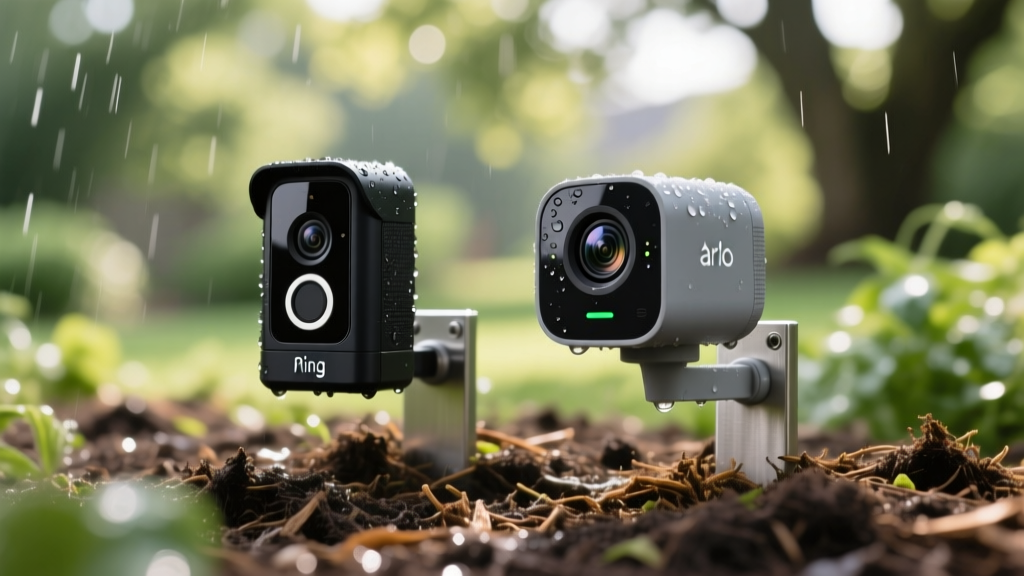
Ring vs Arlo Weatherproof Cameras for Garden Beds 2026
Robert HayesPublished
Integrating Smart Security into Mulched Landscape Beds
As homeowners in 2026 increasingly blur the lines between indoor smart ecosystems and outdoor landscape design, integrating security cameras into lush, heavily mulched garden beds has become a premier method for maintaining curb appeal without sacrificing surveillance. Modern smart home integration relies on seamless Matter over Thread connectivity, allowing outdoor devices to communicate effortlessly with indoor hubs. However, placing high-tech electronics near organic landscaping materials introduces unique environmental challenges. When comparing the top outdoor security camera brands—specifically Ring and Arlo—understanding how their weatherproof designs interact with mulching methods and materials is critical for long-term durability and optimal performance.
The Mulch Microclimate: Moisture, Splashback, and Pests
Organic mulching materials such as shredded hardwood bark, pine straw, and cedar chips are essential for soil health and landscape aesthetics. According to the University of Minnesota Extension, maintaining a two to three-inch layer of organic mulch regulates soil temperature, suppresses weeds, and critically retains soil moisture. However, this moisture retention creates a localized microclimate of high humidity near the ground. When heavy rains or automated irrigation systems hit these mulched beds, they create a 'splashback' effect, launching microscopic debris, soil, and acidic tannins upward onto nearby structures, including camera mounts and lenses.
Furthermore, organic mulches break down over time, generating heat and fostering fungal growth in the lower layers. Cameras mounted too close to these decomposing mulch beds are exposed to sustained high humidity and acidic off-gassing, which can degrade inferior plastic housings and compromise weather seals over time. Therefore, evaluating the weatherproof capabilities of Ring and Arlo cameras requires looking beyond basic rain resistance and examining how their materials handle the specific biological and chemical environment of a heavily mulched garden bed.
2026 Weatherproof Specifications: Ring vs. Arlo
When selecting a camera to mount near or above mulched garden beds in 2026, understanding the exact ingress protection (IP) ratings, operating temperatures, and casing materials is vital. Both brands offer robust outdoor solutions, but their engineering philosophies differ significantly when faced with the realities of landscape maintenance.
| Feature | Ring Spotlight Cam Pro (2026) | Arlo Pro 5S 2K / Ultra Series |
|---|---|---|
| IP Rating | IP55 (Protected against water jets) | IP65 (Dust tight, protected against water jets) |
| Operating Temperature | -5°F to 120°F (-20°C to 49°C) | -4°F to 113°F (-20°C to 45°C) |
| Housing Material | UV-treated Matte Polycarbonate | Glossy ABS Plastic with Silicone Seals |
| Mulch Splashback Resistance | High (Matte hides tannin stains) | Moderate (Glossy shows tannin stains) |
| Seal Degradation Risk | Low (Recessed lens design) | Moderate (Exposed magnetic contacts) |
Ring Spotlight Cam Pro: Matte Finishes and Splash Zones
The Ring ecosystem in 2026 continues to favor robust, utilitarian designs that blend well into dark mulch and shadow-heavy garden beds. The Ring Spotlight Cam Pro features a matte polycarbonate shell that excels in mulched environments for one specific reason: tannin resistance. When rain strikes wet bark or cedar mulch, it releases tannins—natural organic compounds that act as a mild dye. Arlo's signature glossy white finish, while aesthetically pleasing against green foliage, acts as a canvas for these tannin stains. Over a single season of heavy spring rains, an Arlo camera mounted directly above a bark mulch bed can develop a permanent yellowish-brown tint on its lower housing. Ring's matte black or bronze finishes effectively camouflage this organic staining, reducing the need for frequent chemical cleaning that could otherwise degrade the camera's weather seals.
Arlo Ultra Series: Glossy ABS and Acidic Runoff
Arlo cameras are renowned for their superior optical sensors and wire-free flexibility, making them popular for deep garden beds where running power is difficult. However, the glossy ABS plastic used on many Arlo models requires careful placement when dealing with acidic mulching materials like pine straw or oak leaves. As these materials decompose, they create a highly acidic runoff. If an Arlo camera is mounted on a low-hanging tree branch directly over a pine straw bed, the acidic sap and runoff can slowly etch the glossy finish and degrade the silicone gaskets protecting the battery compartment. To mitigate this, Arlo users must employ strategic mulching methods, such as using inorganic gravel or river rock directly beneath the camera's drop zone to catch acidic runoff before it splashes back onto the device.
Hiding Low-Voltage Wiring Beneath Mulching Materials
One of the greatest advantages of deep mulch beds is the ability to conceal low-voltage wiring and Power over Ethernet (PoE) cables without trenching through established lawns. For wired Ring models or continuous-power Arlo setups, hiding cables under a thick layer of hardwood mulch provides a clean, invisible installation. However, direct contact between copper wiring and moist, decomposing organic mulch is a recipe for corrosion and short circuits.
To safely route wiring through mulched beds, landscape professionals in 2026 recommend using flexible PVC conduit or heavy-duty landscape lighting wire sleeves. Bury the conduit approximately two inches beneath the soil line, then cover it with your chosen mulching material. This prevents the wire from wicking moisture directly from the damp mulch layer and protects it from rodents that frequently nest in warm wood chip piles. Furthermore, aligning your irrigation and mulching strategy with water-wise principles is crucial. The EPA WaterSense program highlights how proper mulching reduces the need for frequent irrigation, which in turn minimizes the constant moisture exposure that can threaten low-voltage outdoor connections and camera power supplies.
Pest Management: Termites, Ants, and Camera Housings
Wood-based mulches are notorious for attracting carpenter ants, termites, and earwigs. These pests seek out the dark, moist environments provided by thick layers of cypress or pine bark. When a security camera is mounted on a wooden fence or pergola adjacent to a heavily mulched bed, pests can use the mulch as a bridge to access the camera housing. Carpenter ants, in particular, have been known to nest inside the sunshields and wall-mount cavities of outdoor cameras, chewing through foam weather seals and internal wiring insulation.
To combat this, implement a 'hardscape buffer' method. Keep a 12-inch perimeter of inorganic mulch (such as pea gravel or crushed stone) or bare soil directly around the base of the camera mount. This creates a dry, uninviting barrier that deters moisture-loving pests from migrating from the organic mulch bed up into your expensive smart home security equipment.
Best Practices for Camera Placement Near Mulch
To maximize the lifespan of your Ring or Arlo cameras in heavily landscaped and mulched environments, follow these actionable installation guidelines:
- Maintain Proper Elevation: Mount cameras at least four feet above the mulch grade. This elevates the device above the primary 'splash zone' created by rain hitting the mulch and keeps it out of reach of string trimmers and landscaping equipment.
- Create a Gravel Drop Zone: Place a small bed of decorative river rock directly beneath the camera's field of view. This prevents mud and mulch debris from kicking up onto the lens during heavy downpours.
- Protect Against Flying Debris: During seasonal landscape cleanups, leaf blowers and commercial mulch blowers can launch woodchips at high velocities. Angle your camera's sunshield downward to act as a physical deflector for flying organic debris, protecting the delicate anti-glare lens coatings.
- Use Inorganic Mulch Near Foundations: If mounting a camera directly to your home's siding, use rubber mulch or stone within two feet of the foundation. This satisfies termite inspection requirements while providing a stable, low-splash surface for your camera's motion detection zones.
- Seal Mounting Holes: When drilling through exterior siding to run cables hidden behind mulch beds, use 100% silicone caulk around the mounting bracket. Mulch piled against siding can trap water against the drill hole, leading to interior rot if not properly sealed.
Conclusion
Bridging the gap between smart home security and organic landscape design requires a nuanced understanding of both technology and horticulture. In 2026, both Ring and Arlo offer exceptional weatherproof cameras capable of surviving the elements, but the microclimates generated by mulching methods and materials present unique challenges. Ring's matte finishes and recessed lenses offer a distinct advantage in hiding tannin stains and resisting splashback from wet bark, while Arlo's superior wire-free flexibility allows for creative placement deep within garden beds—provided the user manages acidic runoff and pest exposure. By employing strategic mulching techniques, utilizing hardscape buffers, and properly concealing low-voltage wiring, homeowners can achieve a beautifully landscaped, heavily mulched garden that remains securely monitored year-round.
