Home & Garden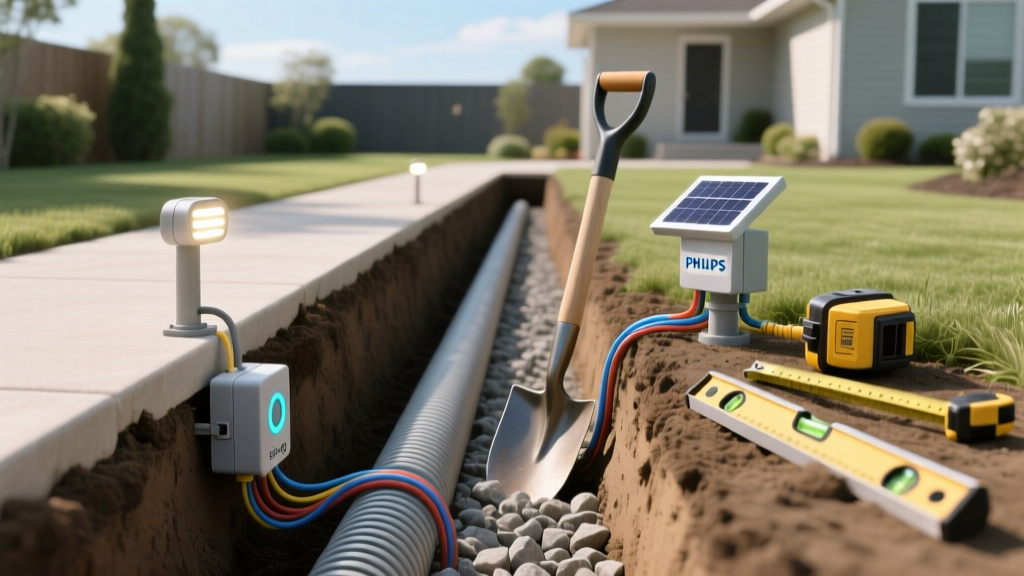
Ring vs Hue Pathway Lights 2026: French Drain Trenching Guide
Robert HayesPublished
The Dual-Purpose Trench: Maximizing Your 2026 Landscaping Projects
When it comes to major landscaping overhauls, digging is inevitably the most labor-intensive and costly phase. If your yard suffers from standing water or soggy soil, installing a French drain is a non-negotiable step to protect your foundation and restore your lawn. However, tearing up your yard presents a unique, golden opportunity: running the infrastructure for smart outdoor lighting. In 2026, integrating smart pathway lighting during a French drain installation is the ultimate landscaping life hack. Instead of digging a secondary trench for low-voltage wiring, you can run a protective conduit right alongside your drainage pipe.
But which ecosystem should you wire into your newly trenched yard? The two titans of smart outdoor illumination—Philips Hue and Ring—offer vastly different approaches to pathway lighting, voltage requirements, and smart home integration. This guide will break down how to plan, trench, and wire your yard for either Ring or Philips Hue pathway lights while simultaneously installing a high-capacity French drain.
Understanding the Anatomy of a Combined Trench
A standard French drain requires a trench that is typically 12 to 24 inches wide and 18 to 24 inches deep, sloped at a minimum of 1 inch per 8 feet to ensure proper gravity-fed water flow. According to the experts at Family Handyman's French drain guide, the trench must be lined with landscape fabric, filled with a base layer of washed river rock, and fitted with a perforated pipe before being buried under more gravel and topsoil.
Low-voltage smart lighting, on the other hand, only requires a shallow trench of about 6 to 8 inches. When combining these projects, you do not bury the lighting wire directly in the French drain gravel bed. Water, shifting rocks, and the acidity of certain soils can degrade wire insulation over time. Instead, the best practice for 2026 is to lay a 1/2-inch or 3/4-inch Schedule 40 PVC conduit along the side wall of the trench, roughly 10 inches below the surface. This conduit sits above the primary gravel bed of the French drain but remains safely buried beneath the sod line, allowing you to pull new 12-gauge or 14-gauge low-voltage wires at any time in the future without ever touching a shovel again.
Philips Hue Outdoor Pathway Integration
Philips Hue remains the gold standard for customizable, high-fidelity color and warm-white outdoor lighting. The Philips Hue Outdoor Lighting lineup, particularly the Calla Bollard and Lily spotlights, operates on a 12-volt low-voltage system powered by an outdoor-rated transformer. Because Hue uses a proprietary low-voltage cable system, running conduit during your French drain install is highly recommended. The Hue cables are somewhat thin and can be vulnerable to rodent damage or accidental severing by future gardening tools.
Hue’s major advantage in 2026 is its seamless integration with the broader Matter protocol and its unparalleled scene-setting capabilities. You can sync your pathway lights with your indoor Hue bulbs, creating a "Welcome Home" scene that illuminates your driveway and walkway the moment your geofence triggers. However, the Hue system requires the indoor Hue Bridge to manage outdoor zones effectively, and the initial cost of the outdoor transformer and bollards is a premium investment.
Ring Smart Lighting Pathway Integration
Ring approaches outdoor lighting from a security-first perspective. The Ring Smart Lighting ecosystem is designed to work in tandem with Ring cameras and doorbells. By utilizing the Ring Wired Pathlight, you can create motion-activated security perimeters. If a Ring camera detects a person walking up your driveway, the pathway lights can automatically brighten to 100% and trigger your floodlights.
The Ring Smart Lighting wired system also utilizes a low-voltage transformer, but it is deeply tied to the Ring Bridge (or the newer integrated Ring Smart Switch). Ring's wiring is generally more standardized, often accepting traditional 12V landscape wire, which makes pulling wire through your French drain conduit incredibly straightforward. While Ring lacks the millions of color options and cinematic scene-syncing of Hue, it excels in automated security routines, making it the preferred choice for homeowners prioritizing safety and deterrence along dark, poorly lit walkways.
2026 Comparison Chart: Philips Hue vs Ring Pathway Lighting
| Feature | Philips Hue (Calla Bollard) | Ring (Wired Pathlight) |
|---|---|---|
| Primary Voltage | 12V Low Voltage | 12V Low Voltage |
| Light Output | 800 Lumens (Color & White) | 800 Lumens (Warm White) |
| Smart Hub Required | Yes (Hue Bridge) | Yes (Ring Bridge / Smart Switch) |
| Security Integration | Moderate (via Alexa/HomeKit) | Excellent (Native Ring Ecosystem) |
| Conduit Recommendation | Mandatory (Proprietary thin wire) | Highly Recommended (Standard 12V wire) |
| Approx. Fixture Cost (2026) | $170 per bollard | $100 per pathlight |
Step-by-Step Trenching and Conduit Strategy
To successfully execute a dual-purpose trench, follow these actionable steps to ensure both your drainage and lighting systems function flawlessly for decades.
Step 1: Mapping and Slope Calculation
Map out your pathway lights and your drain route. Ideally, the French drain will run parallel to your walkway or driveway where the pathway lights are needed. Use a string line and line level to ensure your trench maintains a 1-inch drop per 8 linear feet.
Step 2: Digging and Base Preparation
Dig the trench to a depth of 24 inches. Line the entire trench with heavy-duty, non-woven geotextile landscape fabric. This prevents soil intrusion from clogging your gravel bed over time.
Step 3: Laying the PVC Conduit
Before adding gravel, stake a 3/4-inch Schedule 40 PVC conduit to the side wall of the trench, approximately 10 inches from the bottom. Use PVC sweep elbows (not sharp 90-degree corners) to allow for easy wire pulling later. Cap the ends of the conduit temporarily with duct tape to prevent dirt and rocks from entering while you finish the drain.
Step 4: Gravel and Pipe Installation
Add a 3-inch base of washed river rock (never use crushed limestone, which can pack and block water). Lay your perforated French drain pipe (holes facing down) on the gravel. Cover the pipe with more washed rock until you are within 4 inches of the surface grade.
Step 5: Pulling the Wire and Backfilling
Use fish tape to pull your 12-gauge low-voltage landscape wire through the PVC conduit. Bring the wire up to the surface exactly where your bollards or pathlights will be mounted. Fold the landscape fabric over the gravel, add a layer of topsoil, and lay your sod. Mount your light fixtures using the included ground spikes or concrete core drills for pavers.
Budgeting for a Combined Drain and Lighting Project in 2026
Combining these projects saves roughly 40% on labor costs compared to digging two separate trenches. For a standard 50-foot run, expect to spend around $450 on French drain materials (NDS pipe, washed gravel, landscape fabric, and catch basins). The PVC conduit and fittings will add roughly $60. For the lighting, a Philips Hue setup with a transformer and three Calla bollards will cost approximately $750, while a comparable Ring setup with a transformer and three Pathlights will hover around $450. Factor in the cost of renting a mini-excavator or a gas-powered trencher (roughly $250 per day) if you are tackling the physical labor yourself.
Final Thoughts on Smart Yard Integration
Trenching a yard is a massive undertaking, but viewing your French drain installation as a conduit highway for smart home infrastructure is the hallmark of a modern, forward-thinking homeowner. Whether you choose the cinematic colorscapes of Philips Hue or the robust, security-driven automation of Ring, burying your low-voltage wiring in Schedule 40 PVC alongside your drainage system guarantees a clean, safe, and easily upgradable landscape for years to come.
