Home & Garden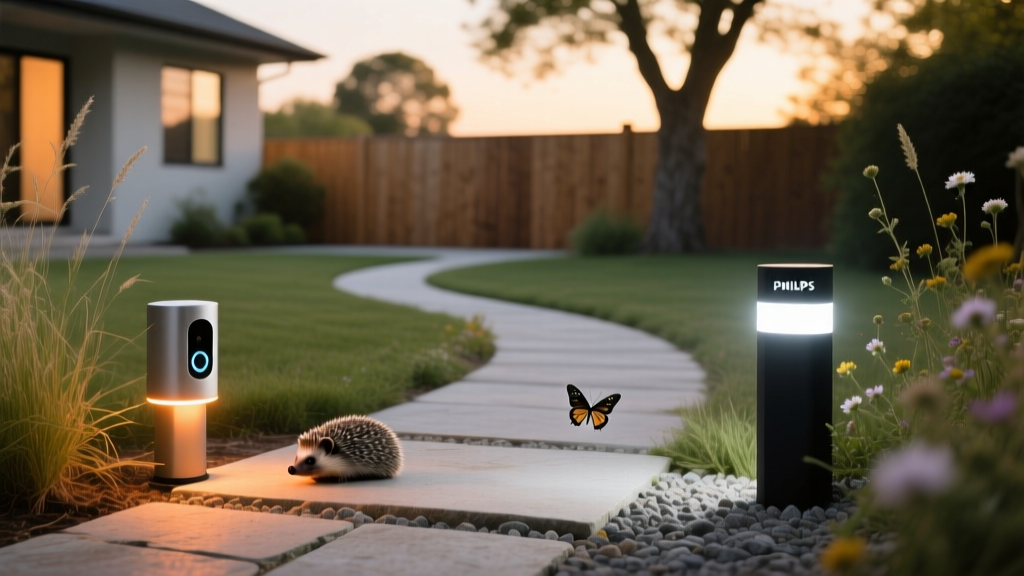
Ring vs Philips Hue Pathway Lighting: Wildlife Guide 2026
Lisa ThompsonPublished
The Intersection of Smart Lighting and Backyard Ecology in 2026
As we navigate the smart home landscape of 2026, outdoor lighting has evolved far beyond simple illumination. Homeowners are increasingly bridging the gap between high-tech security and ecological stewardship. When it comes to pathway lighting, two giants dominate the market: Ring and Philips Hue. But while most reviews focus on app interfaces and lumen output, a critical perspective is often overlooked: wildlife and yard animal management.
Whether you are trying to deter nocturnal foragers like raccoons and opossums from your garden beds, or you want to protect local pollinators and migratory birds from the harmful effects of light pollution, your choice of pathway lighting matters immensely. In this comprehensive guide, we compare Ring Smart Lighting and Philips Hue Outdoor pathway systems strictly through the lens of wildlife management, helping you make an eco-conscious, pest-aware decision for your yard this year.
How Artificial Light Impacts Yard Wildlife
Before diving into brand comparisons, it is vital to understand the biological impact of artificial light at night (ALAN). According to DarkSky International, unshielded and improperly spectrums outdoor lighting severely disrupts the circadian rhythms of local fauna.
- Nocturnal Mammals: Animals like raccoons, foxes, and opossums rely on darkness to forage safely. Sudden, bright white light triggers a flight response, which is useful for deterrence but stressful for local populations.
- Migratory Birds: The National Audubon Society notes that blue-rich white LEDs cause severe disorientation in night-migrating birds, drawing them into residential areas where window collisions are common.
- Insects and Pollinators: Moths and native beetles are fatally attracted to stark white and blue-tinted lights, leading to exhaustion and death, which in turn starves local bat and bird populations.
Understanding these impacts allows us to evaluate how Ring and Philips Hue either mitigate or exacerbate these ecological challenges.
Ring Smart Pathway Lighting: The Pest Deterrent Approach
Ring’s ecosystem is fundamentally built around security and deterrence. The 2026 lineup of Ring Smart Pathlights and integrated motion sensors excels at startling unwanted yard animals. If your primary wildlife management goal is keeping deer out of your hostas or stopping raccoons from raiding your compost, Ring offers distinct advantages.
Motion-Activated Deterrence
Ring’s integration with its broader camera ecosystem allows for highly specific motion zones. When a Ring camera detects the heat signature of a coyote or deer, it can trigger the Ring Pathlights to instantly illuminate at maximum brightness. This sudden shift from dark to bright (often exceeding 3000K in color temperature) mimics a predator’s flashlight or a sudden environmental threat, effectively spooking crepuscular and nocturnal pests away from your garden.
The Ecological Drawback
However, Ring’s fixed color temperature—typically a stark, warm-white that still emits a significant amount of blue light—is less than ideal for insect conservation. Leaving Ring path lights on a static schedule throughout the night will create a 'bug zapper' effect, drawing moths and beneficial nocturnal pollinators away from your garden flora. Furthermore, the lack of deep amber or red spectrum options means Ring lights contribute more to localized skyglow, which can disrupt nearby avian habitats.
Philips Hue Outdoor Pathway: The Ecological Harmony Approach
Philips Hue approaches outdoor lighting with a focus on ambiance, spectrum control, and integration. The Hue Calla Bollard and the low-voltage Hue Pathway systems are favorites among eco-conscious landscapers in 2026 because of their unparalleled color customization.
Spectrum Control for Wildlife Protection
The most significant advantage of Philips Hue for wildlife management is the ability to change the color temperature and hue. By setting your Hue pathway lights to a deep amber (around 2000K) or even a pure red spectrum after 10:00 PM, you can maintain human visibility while becoming virtually 'invisible' to many wildlife species. Long-wavelength light (red/amber) does not disrupt the melatonin production of most mammals and is far less attractive to insects. This allows you to enjoy your evening landscape without contributing to the ecological disruption highlighted by conservationists.
Smart Routines and Geofencing
Hue’s outdoor motion sensors and geofencing capabilities allow for 'dark-sky compliant' routines. You can program the lights to remain completely off until a human presence is detected via your smartphone's GPS or a localized motion trigger, ensuring that your yard remains a dark sanctuary for wildlife for the majority of the night.
Head-to-Head Comparison: Ring vs. Hue for Wildlife Management
To help you decide which system aligns with your specific yard animal management goals, we have broken down their core features as they relate to wildlife ecology and pest control in 2026.
| Feature | Ring Smart Pathlight (2026) | Philips Hue Calla / Pathway |
|---|---|---|
| Max Lumens | ~100 lumens (per path light) | Up to 800 lumens (Calla Bollard) |
| Color Spectrum | Fixed Warm White (~3000K) | Adjustable (2000K-6500K + 16M Colors) |
| Pest Deterrence | High (Sudden motion-triggered bursts) | Moderate (Customizable flash/color routines) |
| Insect Impact | High attraction (Blue-light presence) | Low (When set to Amber/Red modes) |
| Bird Disruption | Moderate to High (Contributes to skyglow) | Low (When shielded and dimmed) |
| 2026 Avg Price | $40 per unit | $140 per unit (Calla Bollard) |
| Ecosystem Focus | Security & Intrusion Deterrence | Ambiance & Ecological Customization |
Strategic Integration: Combining Both Systems
Thanks to the universal adoption of the Matter smart home protocol in 2026, you no longer have to choose strictly between Ring and Hue. Many advanced homeowners are integrating both systems to create a layered wildlife management strategy.
The Perimeter vs. Core Strategy
Consider using Ring’s motion-activated spotlights and path lights strictly on the perimeter of your property. Placed near fence lines or property edges, Ring’s bright, sudden illumination acts as a psychological barrier, deterring deer and roaming neighborhood cats from entering your yard. Meanwhile, use Philips Hue pathway lights in the core of your garden, near patios and delicate flower beds. By keeping the Hue lights set to a low-lumen amber glow, you protect your local pollinators and provide safe, non-disruptive navigation for your family.
Automated Animal Responses
Using a central hub like Apple Home or Home Assistant, you can create cross-brand automations. For example: If the Ring camera identifies a 'skunk' or 'raccoon' on the driveway, trigger the Philips Hue garden path lights to flash a bright, startling cool-white for 10 seconds, then return to eco-friendly amber. This leverages Ring’s superior AI animal detection with Hue’s superior lighting hardware.
Best Practices for Wildlife-Friendly Lighting in 2026
Regardless of whether you choose Ring, Hue, or a hybrid setup, adhering to dark-sky and wildlife-friendly principles is essential for responsible yard management. The Cornell Lab of Ornithology and other conservation bodies recommend the following actionable steps for your outdoor lighting design:
- Keep it Low and Shielded: Pathway lights should ideally be under 24 inches in height and feature physical shields that direct light downward. Upward light leakage is the primary cause of avian disorientation.
- Embrace the Amber Shift: Program your smart lights to automatically shift from functional white light (for evening entertaining) to deep amber or red after 11:00 PM. This simple automation drastically reduces fatal insect attraction.
- Utilize Motion over Timers: Constant illumination is an ecological hazard. Rely on motion sensors to provide light only when a human is actively walking the path. This gives nocturnal animals the dark corridors they need to navigate your yard safely.
- Adjust Sensor Sensitivity: If using motion sensors, tune the sensitivity to ignore small animals like rabbits or neighborhood cats. Constant triggering of bright lights causes chronic stress to local wildlife and leads to 'alarm fatigue' for the homeowner.
Conclusion
Managing yard wildlife in 2026 requires a nuanced approach to outdoor lighting. If your primary struggle is with destructive pests like deer and raccoons, and you need an affordable, motion-driven deterrent, the Ring Smart Pathway ecosystem is a highly effective tool. However, if your goal is to foster a thriving backyard ecology, protect nocturnal pollinators, and minimize your property's light pollution footprint, the Philips Hue outdoor pathway system is unmatched due to its dynamic spectrum control.
By understanding the biological needs of the animals that share your property, you can leverage smart home technology not just to illuminate your walkways, but to actively steward your local environment. Assess your specific wildlife challenges, implement spectrum-shifting routines, and enjoy a backyard that is both secure for your family and safe for the wild visitors that pass through in the night.
