Home & Garden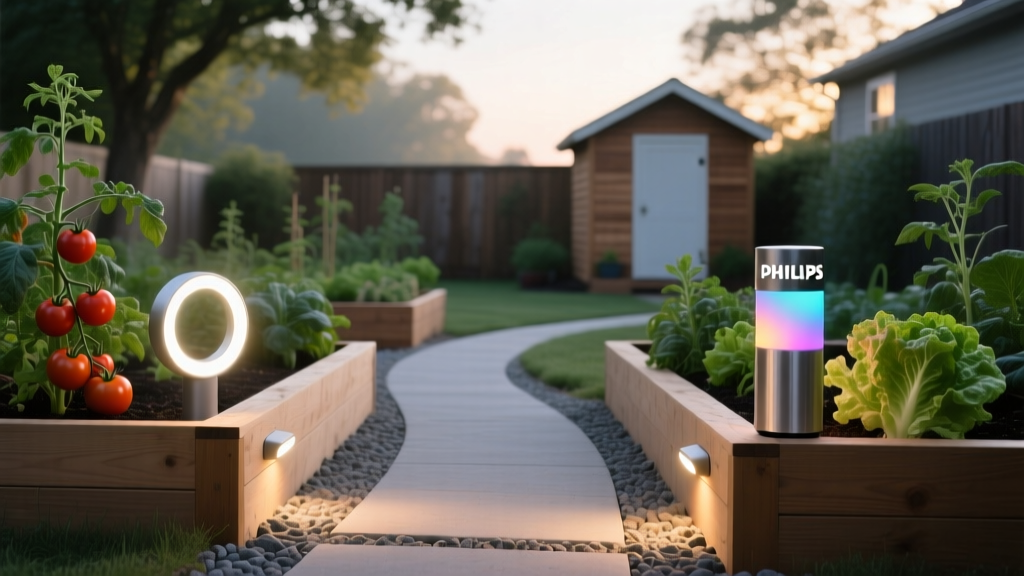
Smart Pathway Lighting For Raised Beds 2026: Ring vs Hue
Mike RodriguezPublished
The 2026 Smart Garden: Why Pathway Lighting Matters for Raised Beds
As urban homesteading and garden-to-table living continue to dominate home landscaping trends in 2026, the modern vegetable garden is no longer just a daytime hobby. For dedicated growers utilizing raised bed vegetable gardening, the ability to safely navigate pathways, harvest delicate herbs at night, and deter nocturnal pests is paramount. This is where smart outdoor lighting becomes an essential tool rather than a mere luxury. When it comes to illuminating the pathways surrounding your 4x8 or 4x12 raised cedar or composite beds, two industry giants stand out: Ring and Philips Hue. Both offer robust smart home integration, but their approaches to pathway illumination, light spill management, and ecosystem compatibility differ significantly. In this comprehensive guide, we break down the Ring Smart Lighting Pathway system versus the Philips Hue Outdoor Pathway (including the Calla and Appear bollards) to help you decide which is best for your raised bed vegetable garden this year.
The Unique Demands of Raised Bed Pathway Lighting
Unlike sprawling traditional lawns, raised bed gardens require precise, localized lighting. The pathways between your beds are often narrow—typically 24 to 36 inches wide to accommodate wheelbarrows and kneeling gardeners. Lighting these pathways requires fixtures that cast light downward and inward, preventing 'light trespass' onto your vegetable crops. According to the U.S. Department of Energy, poorly designed outdoor lighting not only wastes energy but contributes to light pollution, which can disrupt local ecosystems and your own garden's micro-environment. When you are growing photoperiod-sensitive crops like bell peppers, tomatoes, and certain brassicas, excessive nighttime illumination can interfere with their natural dark cycles, potentially reducing yields or triggering stress responses. Therefore, the ideal pathway light for a raised bed setup must offer directional control, adjustable brightness, and smart scheduling to ensure your garden gets the darkness it needs to thrive.
Ring Smart Lighting Pathway: The Security-First Approach
Ring has long been synonymous with home security, and their outdoor smart lighting ecosystem reflects this DNA. The Ring Pathlight and Step Light series are designed primarily to integrate seamlessly with Ring’s network of security cameras and doorbells. If a raccoon, deer, or unwanted human wanders near your prized heirloom tomato beds, the Ring Pathlight can trigger a bright, motion-activated flood effect while simultaneously waking up your nearby Ring cameras to record the event. For the 2026 season, Ring’s motion zones have become highly refined, allowing you to draw digital boundaries so that a swaying sunflower or a passing neighborhood cat does not trigger the pathway lights unnecessarily. However, Ring’s lighting fixtures generally operate on a fixed, cool-white color temperature (around 3500K to 4000K). While this is excellent for security and visibility, it is less than ideal for the ambient, warm glow preferred for evening garden-to-table dining spaces adjacent to your raised beds. Furthermore, Ring fixtures lack the granular dimming capabilities found in more premium lighting systems, meaning you are often stuck with an 'on or off' or 'bright or slightly less bright' scenario.
Philips Hue Outdoor Pathway: The Horticulturist’s Choice
Philips Hue approaches outdoor lighting from an ambiance and precision standpoint. The Hue Calla Bollard and Appear Pathway lights are favorites among landscape designers and serious gardeners. The standout feature for raised bed vegetable gardening is the unparalleled control over brightness and, if you opt for the White and Color Ambiance models, the color spectrum. Hue’s system allows you to schedule your pathway lights to dim to a mere 10% brightness late at night, providing just enough lumens to navigate safely without disrupting the critical dark period (scotoperiod) required by your vegetable crops. As noted by experts at Penn State Extension, maintaining proper environmental conditions, including natural light and dark cycles, is crucial for the physiological development of raised bed crops. With Hue, you can program the lights to shift to a deep, warm amber (around 2000K) after 9:00 PM. This warm spectrum is far less disruptive to plant circadian rhythms and beneficial insect populations than the harsh blue-white light emitted by standard security fixtures. Additionally, Hue’s low-voltage bollards feature built-in visors and directional shields that aggressively cut off upward and lateral light spill, keeping the lumens strictly on the mulch or gravel pathway.
Head-to-Head Comparison Chart
| Feature | Ring Smart Pathlight | Philips Hue Calla Bollard |
|---|---|---|
| Primary Focus | Security & Motion Detection | Ambiance, Spectrum Control & Precision |
| Color Temperature | Fixed Cool White (~3500K) | Adjustable (2000K - 6500K + Colors) |
| Dimming Capability | Limited (Motion-based) | 1% to 100% Granular Control |
| Light Spill Control | Moderate (Omnidirectional diffusers) | Excellent (Directional visors) |
| Smart Home Protocol | Proprietary RF / Wi-Fi Bridge | Zigbee / Matter / Thread (2026 Bridge) |
| Estimated Cost (per fixture) | $45 - $60 | $140 - $190 |
Designing the Perfect Raised Bed Pathway Layout
When installing either system around your raised beds, spacing and height are critical. Standard raised beds are 11 to 24 inches tall. Pathway bollards typically stand between 16 and 30 inches. To prevent the light fixtures from visually competing with your crops or casting long, distracting shadows across your leafy greens, position the bollards on the outer edges of the pathways, angling the light shields toward the walking surface. For a standard 4x8 raised bed layout with 3-foot pathways, place a bollard at each corner and one in the center of the long sides. This creates a continuous ribbon of light that guides you safely with your harvest basket without shining directly into the plant canopy. If you are using the Philips Hue system, utilize the Hue app’s 'Geofencing' feature to ensure the lights only turn on when you or a family member actually enter the garden gate, further preserving the garden's natural nighttime darkness.
Automation for Pest Deterrence and Harvesting
Both systems excel in automation, but they serve different gardening needs. If your primary struggle is nocturnal herbivores like rabbits or groundhogs invading your lettuce beds, Ring’s integration with motion sensors allows you to create a 'scare' routine. A motion trigger can flash the pathway lights brightly and activate a connected smart sprinkler valve for a quick burst of water. Conversely, if your focus is on late-night harvesting of fragile crops like basil or cilantro—which can wilt if harvested during the heat of the day—Hue’s automation allows you to set a 'Harvest Mode.' By tapping a widget on your phone or using a voice command via Alexa or Apple HomeKit, the pathway lights can fade up to a bright, neutral white (4000K) to help you accurately identify plant health and ripeness, then gracefully fade back to a dim amber glow once you return to the kitchen. Understanding the ecological impact of your lighting choices is also vital; organizations like DarkSky International emphasize that minimizing blue-rich white light at night protects both local wildlife and the delicate balance of backyard ecosystems.
Final Verdict for the 2026 Growing Season
Choosing between Ring and Philips Hue for your raised bed vegetable garden pathways ultimately comes down to your primary objective. If your garden is located in a high-traffic or vulnerable area where security, intruder deterrence, and camera integration are your top priorities, Ring offers a cost-effective, highly responsive ecosystem. However, for the dedicated horticulturist who views their raised beds as a living ecosystem requiring careful light management, the Philips Hue Outdoor Pathway system is the undisputed champion. The ability to control light spill, adjust color temperatures to protect plant photoperiodism, and integrate seamlessly with the broader Matter-compatible smart home standard of 2026 makes Hue a worthwhile investment. By respecting the natural rhythms of your vegetables while safely illuminating your garden-to-table journey, you ensure both your garden and your home remain perfectly in sync.
