Home & Garden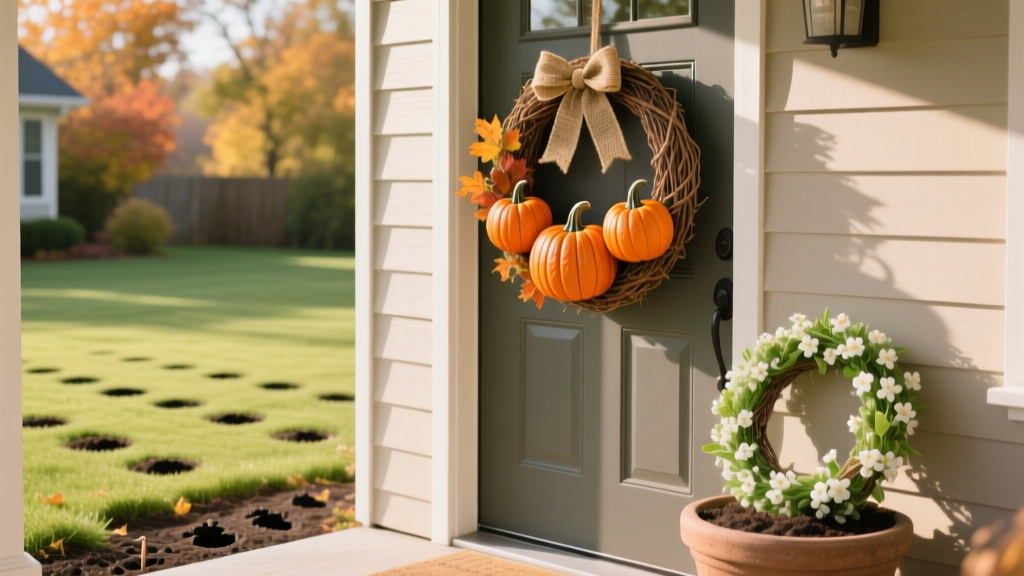
2026 Seasonal Porch Decor: Wreaths, Pumpkins & Aeration
David ParkPublished
The Symbiosis of Hardscape Decor and Turf Health
As we navigate the 2026 landscaping season, the concept of curb appeal has evolved into a holistic endeavor. Homeowners are no longer looking at the front lawn and the porch as separate entities; instead, they are viewed as a unified outdoor living space. Two of the most impactful ways to signal the changing of the seasons are through a lush, well-maintained turf and transitional porch decor—specifically, the delicate botanical spring wreath and the robust, textural fall pumpkin display. However, a common logistical conflict arises when the heavy machinery and rigorous watering schedules required for lawn aeration and seeding clash with the staging of seasonal decorations.
Core aeration and overseeding are the cornerstones of a resilient lawn. They alleviate soil compaction, reduce thatch buildup, and introduce vigorous new grass cultivars. Yet, running a 250-pound core aerator across your front yard, followed by weeks of frequent irrigation, can wreak havoc on a carefully curated porch display. This comprehensive guide bridges the gap between horticultural lawn care and seasonal exterior decorating, ensuring your soil science and your aesthetic vision work in perfect harmony.
Spring Transition: Wreaths, Warm-Season Seeding, and Soil Prep
In early spring, the front porch is typically adorned with a seasonal wreath featuring foraged dogwood, preserved silver dollar eucalyptus, and dried yarrow. These organic materials are highly susceptible to moisture damage and mold. Simultaneously, if you maintain a warm-season lawn (such as Bermuda, Zoysia, or Centipede grass), late spring is the optimal window for core aeration and overseeding as soil temperatures consistently reach 65°F.
The primary conflict during the spring transition is irrigation. Freshly seeded warm-season lawns require light, frequent watering—often two to three times a day for the first 14 days—to prevent the delicate seedlings from drying out. If your porch wreath hangs near the entryway, sprinkler overspray and the resulting ambient humidity can cause dried botanicals to rot or lose their structural integrity.
The 2026 Solution: Utilize the micro-zoning features found in modern smart irrigation controllers. By mapping out a 'porch perimeter' hydro-zone, you can disable or reduce the spray radius of the sprinkler heads immediately adjacent to your hardscape. Furthermore, when aerating the beds surrounding the porch, use a manual broadfork rather than a gas-powered aerator to prevent exhaust fumes and debris from settling on your delicate spring wreath.
Fall Transition: Pumpkin Displays and Cool-Season Aeration
Autumn brings a dramatic shift in both lawn care and decor. For cool-season grasses like Tall Fescue and Kentucky Bluegrass, early fall (late August through September) is the absolute best time for core aeration and overseeding. The soil is still warm, encouraging rapid seed germination, while the cooling air reduces weed competition. According to the University of Minnesota Extension, fall aeration is critical for relieving the severe compaction caused by summer foot traffic, allowing new seed to establish deep root systems before winter dormancy.
Concurrently, fall porch decor demands space. A premium 2026 pumpkin display often features heavy heirloom varieties like the pale blue Jarrahdale, the warty Galeux d'Eysines, or the deeply ribbed Cinderella pumpkin. A single display can easily weigh over 200 pounds. The logistical challenge is obvious: you cannot effectively aerate and seed the front yard if your porch overflow and staging areas are blocked by heavy squash, nor can you drag a core aerator around fragile, stacked pumpkins without risking catastrophic damage to the display.
The Strategy: Stage your fall pumpkin display after the aeration and seeding process is complete. If you must have the pumpkins on-site during lawn prep, utilize rolling, heavy-duty outdoor plant caddies. This allows you to easily roll the multi-tiered pumpkin displays onto the driveway or into the garage while the aerator pulls 3-inch soil plugs from the turf. Once the seed is down and the initial straw mulch is laid, the pumpkins can be rolled back into place, acting as beautiful, heavy anchors that deter birds from eating the freshly sown grass seed.
Growing Your Own Display Pumpkins via Soil Aeration
Why buy pumpkins when you can grow your own display-grade heirlooms? The secret to massive, blemish-free pumpkins lies beneath the surface: soil aeration. Pumpkins develop a deep taproot alongside a sprawling secondary root system that requires loose, well-draining soil to access water and nutrients. Compacted soil leads to stunted fruit and increased susceptibility to powdery mildew and root rot.
Before planting pumpkin seeds in late May or early June, dedicate a section of your sun-drenched garden bed to deep soil aeration. The University of Minnesota Extension's pumpkin guide emphasizes that pumpkins thrive in rich, well-drained soil with a pH between 6.0 and 6.8. By using a broadfork or a rear-tine tiller to aerate the soil to a depth of 12 inches, and amending it with compost, you create the perfect seedbed.
When selecting seeds for your 2026 porch display, opt for varieties known for their structural integrity and long curing life. The 'Speckled Hound' and 'Blanco' varieties are exceptional for porch displays because their thick stems and hard rinds allow them to withstand the transition from the garden patch to the porch steps without succumbing to early frost or rot.
2026 Seasonal Timing Chart: Decor vs. Lawn Care
Coordinating your outdoor living space requires a strict calendar. Below is a structured timeline to help you sync your seasonal porch decor with your lawn's aeration and seeding needs.
| Season | Porch Decor Focus | Lawn Type | Aeration & Seeding Action | Decor Protection Protocol |
|---|---|---|---|---|
| Mid-Spring | Botanical Wreaths, Pastel Planters | Warm-Season (Bermuda/Zoysia) | Core aerate and overseed as soil hits 65°F. | Adjust smart sprinkler zones to prevent overspray on organic wreaths. |
| Late Summer | Transitional Sunflowers, Dried Corn | Cool-Season (Fescue/KBG) | Prep soil; apply pre-emergent weed control if not seeding. | Move decor to hardscape to allow full turf access for equipment. |
| Early Fall | Heirloom Pumpkins, Cornstalks | Cool-Season (Fescue/KBG) | Core aerate, overseed, and apply starter fertilizer. | Use rolling caddies for pumpkins; stage display after seeding is complete. |
| Late Fall | Evergreen Swags, Pinecones | All Turf Types | Final mowing; blow leaves to prevent turf smothering. | Ensure leaf blowing debris does not stain or damage porch displays. |
Best Practices for Protecting Decor During Seeding
When overseeding in the fall, it is standard practice to apply a thin layer of straw or peat moss over the newly sown seed to retain moisture and protect it from birds. However, loose straw blowing onto your porch can detract from a pristine pumpkin display and clog exterior drainage systems. To mitigate this, use a tackifier—a biodegradable, glue-like soil binder sprayed over the seed and straw. This locks the mulch in place, ensuring your lawn gets the moisture retention it needs while keeping your porch steps and pumpkin tiers clean and photogenic.
Furthermore, be mindful of the nitrogen-rich starter fertilizers used during the seeding process. If granular fertilizer bounces off the lawn and lands on the base of your display pumpkins, it can draw moisture out of the rind, causing localized burning and premature rotting. Always use a drop spreader rather than a rotary broadcast spreader when working within five feet of your porch decor to maintain precise control over where your soil amendments land.
By treating your lawn's soil health and your porch's aesthetic presentation as a single, interconnected project, you elevate your home's exterior. The deep, vibrant green of a freshly aerated and overseeded lawn provides the ultimate contrasting backdrop for the muted, earthy tones of a fall pumpkin display or the bright, organic textures of a spring wreath. In 2026, true curb appeal is about mastering the soil just as much as mastering the style.
