Home & Garden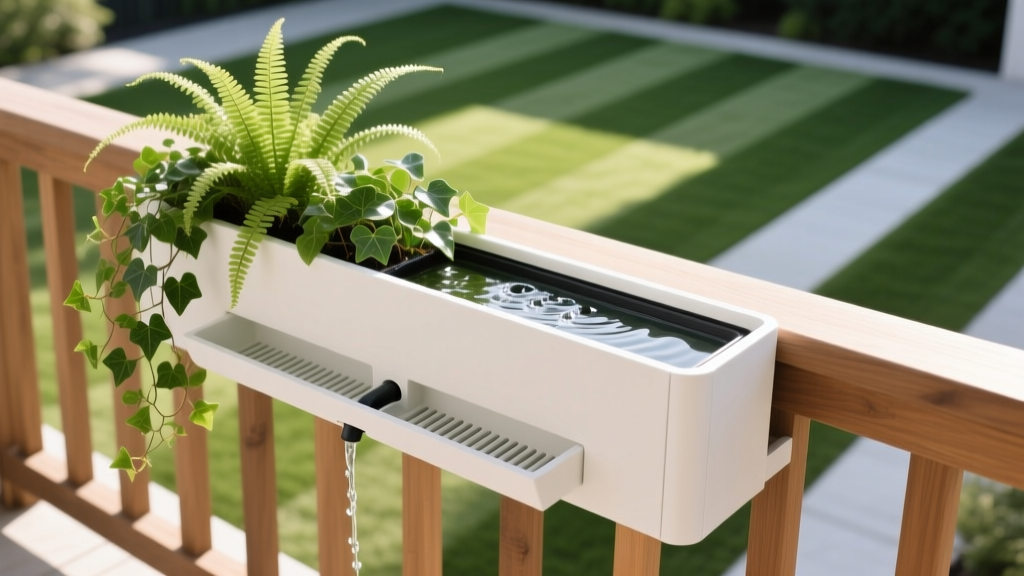
2026 Window Box Install: Self-Watering Liners & Lawn Pattern Flow
Robert HayesPublished
The Art of Vertical Continuity: From Lawn Stripes to Facade Symmetry
When you invest time in creating pristine lawn striping patterns—whether it is a classic checkerboard, a dynamic diamond weave, or sweeping diagonal lines across your Kentucky Bluegrass or Bermuda turf—you are engaging in the art of visual geometry. A high-quality lawn striping kit bends the grass blades to reflect sunlight differently, creating striking light and dark bands that naturally draw the eye across the yard. But where does the eye ultimately land? It follows those converging geometric lines directly to the foundation and facade of your home.
In 2026, landscape architects and exterior design experts emphasize 'vertical continuity.' If your lawn features meticulous, symmetrical stripes, but your home's facade is adorned with asymmetrical, poorly aligned window boxes or ugly water streaks from traditional drainage holes, the entire aesthetic pattern is instantly broken. To maintain the visual flow from the manicured turf to the architecture, window box installation must be treated with the same geometric precision as lawn striping. Furthermore, utilizing a modern self-watering liner paired with a concealed drip tray ensures that your siding remains pristine, free from the mineral deposits and rot that plague traditional container gardens.
Why Self-Watering Liners and Drip Trays are Essential in 2026
Traditional window boxes with open drainage holes are a thing of the past. They allow soil, fertilizer, and hard water to wash directly onto your home's exterior siding, brick, or stucco, creating unsightly streaks that disrupt the clean lines of your home's architecture. In 2026, the standard for high-end exterior aesthetics involves a two-part system: a capillary-action self-watering liner and a UV-stabilized polycarbonate drip tray.
The self-watering liner features a built-in reservoir at the base that holds water, utilizing a wicking mat or soil cone to draw moisture upward into the root zone exactly as the plants need it. According to the University of Minnesota Extension, consistent, bottom-up moisture delivery is critical for container gardens, as it prevents the soil surface from crusting and reduces the risk of fungal diseases caused by overhead watering.
Beneath this liner sits the drip tray. In the event of heavy rainfall or overfilling the reservoir, the drip tray catches the overflow. Instead of spilling over the front edge and staining the siding, 2026 drip tray models feature micro-channeling that routes excess water to hidden weep holes at the bottom corners, where it can be attached to micro-tubing and discreetly routed into the home's gutter downspouts. This keeps the facade immaculate, preserving the sharp, clean aesthetic required to complement a heavily patterned lawn.
2026 Liner and Drip Tray Comparison Chart
Choosing the right system depends on your specific aesthetic goals and the depth of your window box. Below is a comparison of the top self-watering and drip tray configurations available this year.
| System Type | Reservoir Capacity | Drip Tray Mechanism | Best For Aesthetic Pattern |
|---|---|---|---|
| Capillary Mat Liner | 1.5 Gallons | Hidden corner weep holes | Symmetrical facade lines & formal boxwood borders |
| Wicking Cone Reservoir | 3.0 Gallons | Integrated evaporation shield | Checkerboard lawn complement & bold color-blocking |
| Smart Valve Drip Tray | 2.5 Gallons | App-controlled flush valve | Geometric diagonal stripes & modern minimalist facades |
The EPA WaterSense program consistently highlights that targeted, reservoir-based irrigation drastically reduces water waste through evaporation. By upgrading to a wicking cone or smart valve system, you are not only protecting your home's exterior but also aligning your landscape with 2026's top water-efficiency standards.
Step-by-Step Installation for Flawless Geometric Alignment
To ensure your window boxes serve as the perfect terminating point for your lawn's striped patterns, precision during installation is non-negotiable. A crooked window box will immediately invalidate the optical illusions created by your lawn striping kit.
Step 1: Mapping the Facade Pattern
Before drilling any holes, map out the geometry. If your lawn features a diamond stripe pattern that converges at the front door, your window boxes should be perfectly centered on the windows flanking the door, acting as visual anchors. Use a laser level to project a perfectly horizontal line across the facade. Standard window boxes are typically 24, 36, or 48 inches wide. Ensure the box is exactly centered relative to the window trim, leaving an equal margin of negative space on both sides to maintain visual symmetry.
Step 2: Securing the Drip Tray and Brackets
Mounting directly into the siding without a gap is a recipe for moisture damage. In 2026, best practices dictate using heavy-duty, powder-coated steel brackets with built-in standoff spacers.
- Locate the wall studs using a magnetic stud finder; never rely solely on drywall anchors for the exterior envelope.
- Mount the brackets so the top of the window box sits exactly 4 to 6 inches below the window sill. This specific measurement allows the geometric lines of the window trim to flow seamlessly into the box without visual crowding.
- Install the polycarbonate drip tray onto the brackets first. Crucially, set the drip tray with a microscopic 1/8-inch slope toward the outer corners. This ensures that any captured overflow moves away from the house and toward the concealed micro-tubing ports.
Step 3: Seating the Self-Watering Liner
Once the structural brackets and drip tray are secured, lower the BPA-free high-density polyethylene (HDPE) self-watering liner into the tray. Ensure the wicking cones or capillary mat are properly positioned at the base of the reservoir. Fill the reservoir with water until it reaches the internal overflow valve. This valve is a critical 2026 innovation; it prevents the soil above from becoming waterlogged during heavy spring rains, automatically diverting excess water into the drip tray below.
Step 4: Soil, Planting, and Color Blocking
To mirror the alternating light and dark stripes of your lawn, utilize 'color blocking' in your window box plantings. Use a premium, lightweight container mix designed specifically for wicking systems—standard topsoil is too dense and will suffocate the capillary action.
Design Tip: Alternate bands of deep purple petunias with silver dust (Centaurea cineraria) in the window box. This creates a horizontal, striped color-block effect that visually rhymes with the light and dark mowing patterns on the lawn below, tying the entire property into a single, cohesive geometric masterpiece.
According to the U.S. Department of Energy, strategic exterior shading and thoughtful landscaping can significantly impact a home's microclimate. While window boxes themselves do not provide massive shade, the dense, healthy foliage promoted by self-watering liners can help insulate the immediate window area, reducing heat transfer through the glass during the peak summer months.
Smart Home Integration for 2026
The ultimate evolution of the aesthetic pattern is one that maintains itself without constant manual intervention. Modern smart home ecosystems now include Bluetooth-enabled moisture sensors that sit directly inside the self-watering liner's reservoir. These sensors monitor the water level and connect to your home's automated irrigation hub. When the reservoir drops below 15%, the system can trigger a dedicated micro-drip line connected to your main irrigation manifold, silently refilling the window box without you ever needing to drag a hose across your freshly striped lawn.
By integrating smart moisture monitoring with a concealed drip tray and capillary liner, you ensure that your window boxes remain vibrant, symmetrical, and stain-free all season long. The result is a flawless visual transition from the meticulously striped turf to the architecturally aligned, geometrically planted facade—a true hallmark of elite 2026 landscape design.
