Home & Garden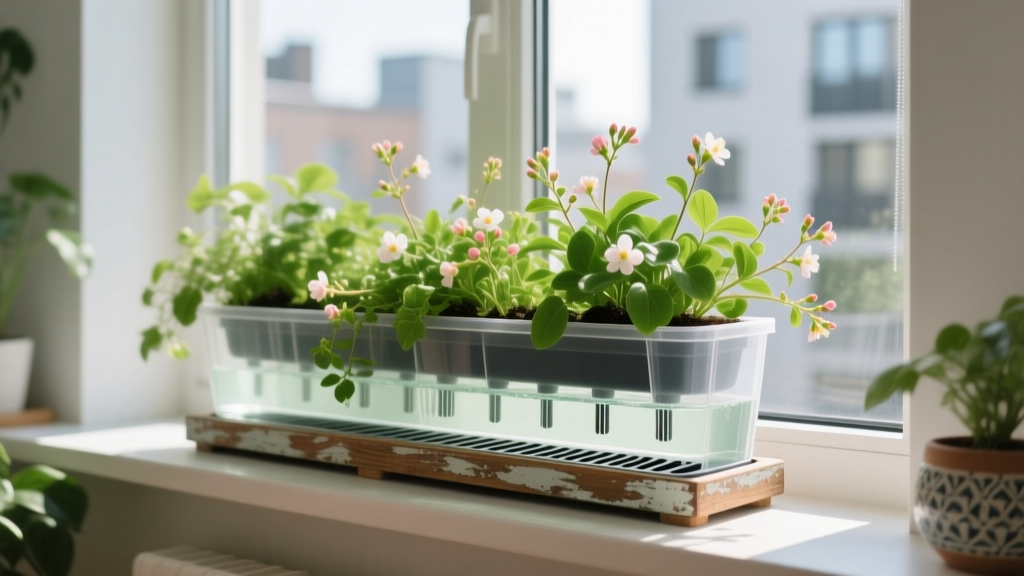
2026 Window Box Installation & Pruning Timing Guide
Emily WatsonPublished
The 2026 Standard: Installing Self-Watering Liners and Drip Trays
As we move through the 2026 gardening season, the integration of smart, water-efficient landscaping has become a top priority for homeowners and urban gardeners alike. Window boxes remain a premier way to bridge indoor and outdoor living, but traditional top-watering methods often lead to inconsistent soil moisture, root rot, or drought stress. The modern solution is the installation of a window box equipped with a self-watering liner and an integrated drip tray. This system utilizes capillary action to deliver consistent bottom-up hydration, promoting explosive vegetative growth and continuous blooming.
However, this relentless growth fundamentally alters how and when you must maintain your plants. Consistent moisture means your trailing petunias, geraniums, and calibrachoas will grow up to 30% faster than they would in traditional containers. This accelerated vigor demands a precise approach to pruning methods and timing to prevent leggy, overgrown displays that block your windows and obscure your home's architecture.
Step-by-Step Installation Guide
Before we dive into the pruning schedule, you must ensure your hardware is correctly installed to handle the increased biomass and water weight of a thriving 2026 window box.
- Step 1: Heavy-Duty Bracket Mounting. A fully saturated self-watering window box can weigh upwards of 60 pounds. Locate the structural studs beneath your window sill or use heavy-duty masonry anchors for brick facades. Mount stainless steel brackets rated for at least 100 pounds to ensure safety during high winds.
- Step 2: Drip Tray Integration. Never install a window box directly against your home's siding without a drip tray. Modern UV-stabilized polycarbonate drip trays feature a slight forward slope (approximately 2 degrees) to direct excess water away from your facade. Secure the tray to the bottom of the brackets using the provided locking pins.
- Step 3: Fitting the Self-Watering Liner. Place the reservoir liner into the decorative outer box. Ensure the overflow weep hole aligns perfectly with the center of the drip tray. Fill the reservoir with water mixed with a 2026-formulated slow-release liquid fertilizer until it reaches the internal float-valve indicator.
- Step 4: Soil and Wicking. Use a lightweight, peat-free potting mix designed specifically for container gardening. Press the soil firmly against the built-in capillary wicking cones at the bottom of the liner to ensure immediate moisture transfer to the root zone.
How Self-Watering Systems Alter Pruning Timing
According to horticultural experts at the Penn State Extension, pruning is not just about removing dead material; it is a vital method for directing a plant's energy. In traditional window boxes, plants often experience a "summer slump" due to sporadic watering, naturally slowing their growth and reducing the need for mid-season pruning.
In a self-watering system, the constant availability of moisture and nutrients eliminates this slump. While this results in spectacular, continuous color, it also causes rapid internode elongation. If you adhere to a traditional pruning calendar, your plants will become "leggy"—characterized by long, weak stems with sparse foliage at the base. Therefore, the timing of your pruning must shift from reactive (cutting back dead or dying growth) to proactive (pinching and shearing to encourage lateral branching before the plant becomes overgrown).
2026 Pruning Schedule Comparison
| Plant Type | Traditional Top-Watered Timing | Self-Watering Liner Timing | Primary Pruning Method |
|---|---|---|---|
| Trailing Petunias | Mid-August (Post-Slump) | Every 14 Days (Continuous) | Tip Pinching & Selective Shearing |
| Zonal Geraniums | Weekly Deadheading | Bi-Weekly Deadheading + Stem Thinning | Deadheading & Basal Thinning |
| Calibrachoa (Million Bells) | Mid-July "Haircut" | Light Shearing Every 3 Weeks | Uniform Shearing (1/3 Rule) |
| Trailing Fuchsia | As Needed (Sparse) | Weekly Pinching of Terminal Buds | Soft Tip Pinching |
Essential Pruning Methods for High-Vigor Window Boxes
To manage the accelerated growth fostered by your self-watering liner, you must master three specific pruning techniques. The Royal Horticultural Society (RHS) emphasizes that the method of cutting directly influences the hormonal response of the plant, specifically the suppression of apical dominance, which forces the plant to bush out rather than grow long and stringy.
1. Tip Pinching (The Weekly Maintenance)
For plants like trailing fuchsias and young petunias, tip pinching is your first line of defense. Using your thumb and forefinger, or a pair of sterilized micro-snips, remove the top 1/2 inch of the growing tip just above a leaf node. In a self-watering environment, you should perform this method weekly during the peak spring growth phase. This forces the plant to produce two new lateral branches from the node below the cut, resulting in a denser, more floriferous canopy that will beautifully spill over the edges of your window box.
2. Selective Thinning and Deadheading
Geraniums and large-leafed plants benefit immensely from selective thinning. Because the self-watering reservoir keeps the lower soil profile consistently moist, the interior of the plant canopy can become a haven for fungal diseases like botrytis if air circulation is poor. Every two weeks, reach into the center of the plant and remove entire stems down to the soil line, prioritizing weak, crossing, or non-flowering shoots. Simultaneously, deadhead spent blooms by snapping the flower stalk all the way down to the main stem, rather than just plucking the petals. This prevents the plant from wasting energy on seed production.
3. The "One-Third" Shearing Method
By mid-summer, even with regular pinching, vigorous trailers like calibrachoa and sweet potato vine may begin to look unkempt or woody at the base. This is when you employ the "One-Third" shear. Using a pair of sharp, bypass hedging shears, aggressively cut back the entire trailing mass of the plant by exactly one-third of its length. Do not be afraid to cut into slightly woody tissue. Because the self-watering liner is continuously feeding the root zone, the plant will have the immediate resources required to push out a massive flush of new, soft growth and blooms within 10 to 14 days. Always follow a hard shear with a replenishment of the liquid fertilizer in your water reservoir.
Seasonal Timing & Maintenance for 2026
Timing your pruning to the seasonal shifts is critical for maximizing the lifespan of your window box display.
- Early Spring (April - May): Focus entirely on tip pinching to establish a dense structural framework before the summer heat arrives. Do not allow plants to flower during the first three weeks after installation; pinch off early buds to direct energy into root and foliar development.
- Peak Summer (June - August): Transition to bi-weekly deadheading and the "One-Third" shearing method. The self-watering reservoir will require refilling every 5 to 7 days during this period, and the high water intake will drive rapid vegetative growth that must be kept in check.
- Autumn (September - October): Cease all heavy shearing by early September. Allow the plants to harden off slightly as daylight hours decrease. Transition to light deadheading only, and begin reducing the fertilizer concentration in your drip tray reservoir to prepare the plants for the end of the season.
Conclusion
Installing a window box with a self-watering liner and drip tray is one of the most impactful upgrades you can make to your home's exterior in 2026. It eliminates the guesswork of daily watering and protects your home's siding from moisture damage. However, the trade-off for this convenience is a more rigorous, proactive pruning schedule. By understanding how constant capillary moisture accelerates plant vigor, and by applying targeted methods like tip pinching, selective thinning, and the one-third shear at the correct intervals, you will maintain a pristine, overflowing window box that remains the envy of the neighborhood from early spring until the first frost.
