Home & Garden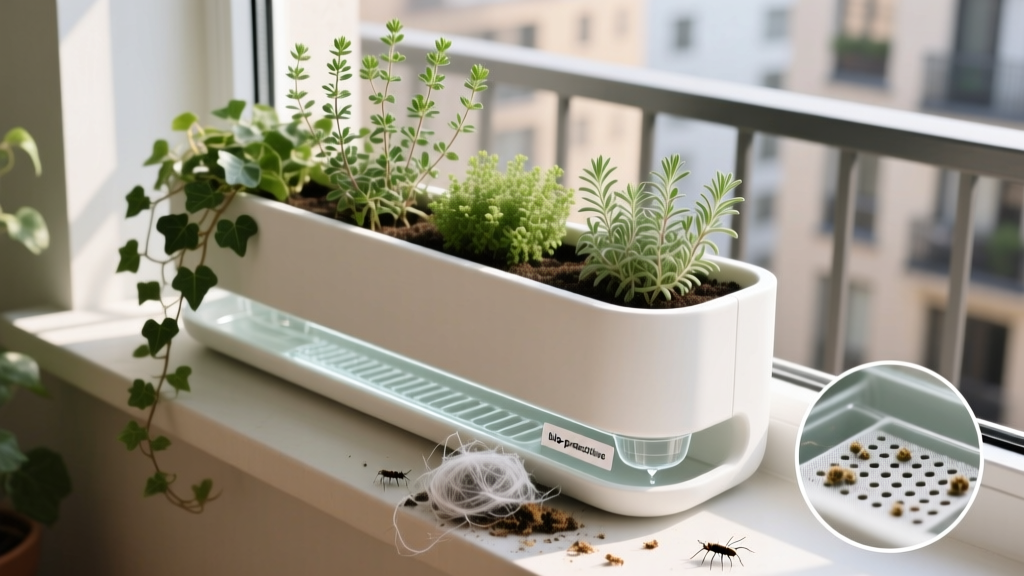
2026 Window Box Install: Self-Watering Liners & Webworm Guard
Robert HayesPublished
The Intersection of Window Box Gardening and Tree Webworm Control
As we navigate the 2026 growing season, the bridge between indoor comfort and outdoor living has never been more vital. Window boxes remain a premier way to elevate your home's exterior, but for homeowners with mature deciduous trees—such as pecan, walnut, sweetgum, and cherry—installing them comes with a unique biological challenge. From the perspective of tree webworm control, placing a standard planter beneath a susceptible canopy is a recipe for disaster. Fall webworms (Hyphantria cunea) and Eastern tent caterpillars create massive silken webs in the canopy above, eventually dropping significant amounts of leaf debris, silk, and highly acidic frass (caterpillar droppings) directly onto your window sills.
If you are installing a window box with a self-watering liner and drip tray beneath these trees, you must design the system to resist organic clogging and biological contamination. This comprehensive guide will walk you through a specialized 2026 installation method that protects your sub-irrigation hardware while utilizing the window box itself as a tool for integrated pest management (IPM).
Why Tree Webworms Threaten Self-Watering Window Boxes
Self-watering window boxes rely on a water reservoir at the base and a capillary wicking mat that draws moisture up into the soil. While this technology is excellent for conserving water and maintaining consistent soil moisture, it is highly vulnerable to the byproducts of tree webworm infestations.
The Mechanics of Frass and Silk Damage
According to University of Kentucky Entomology, fall webworms can defoliate large sections of a tree canopy in late summer and early fall. As they feed, they produce copious amounts of frass. When this frass falls into a standard window box, it washes down into the water reservoir during watering or rain events. The result is a nutrient-rich, stagnant sludge that breeds algae, fungus gnats, and harmful bacteria, ultimately rotting your plant roots from the bottom up.
Furthermore, the silken threads spun by webworms are incredibly strong and water-resistant. When blown down into the window box, these threads easily clog the overflow valves and capillary channels of self-watering liners. If the overflow valve is blocked by silk and debris, the reservoir will overfill, drowning your plants and causing the drip tray to overflow, potentially staining your home's exterior with acidic, frass-laden water.
Materials Needed for a 2026 Webworm-Resistant Installation
To successfully install a window box that withstands the pressures of an overhanging, webworm-prone tree, you need specific 2026-grade hardware. Gather the following materials:
- Composite or Cedar Window Box: Minimum 24x8x8 inches. Avoid cheap, thin plastics that can warp and crack under the weight of wet debris.
- Sub-Irrigation Planter (SIP) Liner: A high-quality self-watering insert featuring a raised aeration screen and an accessible overflow drain (e.g., the 2026 Aqua-Gro Capillary Insert).
- Heavy-Duty Capillary Wicking Mat: Made from recycled PET fibers, resistant to microbial breakdown.
- Brass Mesh Debris Screen: A fine, corrosion-resistant mesh to cover the reservoir opening and overflow tube.
- Deep-Profile Drip Tray with Slatted Insert: A drip tray that features a raised, slatted grid to keep the bottom of the window box elevated above any pooling water and falling frass.
- Stainless Steel Mounting Brackets: To secure the box and tray firmly to the exterior wall.
Step-by-Step Installation Guide
Step 1: Prepping the Box and Debris Mesh
Before inserting your self-watering liner, you must modify the primary planter box to act as the first line of defense against falling webworm debris. Cut your brass mesh screen to fit the bottom of the outer window box, just above the drainage holes. This mesh will catch large pieces of leaf litter and silken webbing before they can wash into the self-watering liner's reservoir. Secure the mesh using outdoor-rated silicone adhesive. Ensure that the primary drainage holes of the outer box remain unobstructed so that excess rain can bypass the SIP liner and wash away surface debris.
Step 2: Installing the Self-Watering Liner
Place the SIP liner into the window box. The liner should sit on small risers or the integrated feet provided by the manufacturer, creating a 2-inch void space for the water reservoir. Critical Step: Locate the overflow drain tube on the liner. Wrap the top intake of this tube with a small piece of fine brass mesh and secure it with a stainless steel hose clamp. This prevents webworm silk and fine frass from entering the tube and causing a backup. Lay your capillary wicking mat over the aeration screen of the liner, ensuring it touches the bottom of the reservoir through the designated wicking slots. Fill the upper chamber with a lightweight, well-draining 2026 potting mix amended with perlite.
Step 3: Mounting the Guarded Drip Tray
When mounting the drip tray beneath the window box, choose a deep-profile tray (at least 2.5 inches deep). During peak webworm season, the tray will catch not only water but also a heavy layer of frass and leaf drop. The slatted insert inside the tray ensures that even if the tray fills with an inch of debris, the bottom of your window box remains elevated and dry, preventing wood rot and structural degradation. Secure the brackets into your home's exterior studs or masonry using lag bolts, ensuring a slight 1-degree forward tilt so that frass-laden water washes out the front of the tray rather than pooling against your siding.
Comparison: Standard vs. Webworm-Guarded Drip Trays
Understanding the hardware differences is crucial for homes situated near susceptible tree species. Below is a comparison of standard setups versus our specialized webworm-guarded installation.
| Feature | Standard Window Box Setup | 2026 Webworm-Guarded Setup |
|---|---|---|
| Drip Tray Profile | Shallow (1 inch), flat bottom | Deep (2.5 inches), slatted insert grid |
| Overflow Valve | Exposed plastic tube | Mesh-guarded tube with steel clamp |
| Debris Management | None; debris enters soil/reservoir | Brass sub-mesh catches silk and frass |
| Frass Acidity Impact | Stains siding, rots wood boxes | Washes out forward, away from siding |
| Maintenance Frequency | Requires full teardown to clean | Quick vacuum or hose flush weekly |
Companion Planting: Using Your Window Box for Pest Control
As an expert in tree webworm control, I always recommend leveraging your garden infrastructure to fight back against pests. While the physical guards protect your hardware, the plants inside your self-watering window box can act as a biological deterrent. The adult moths of the fall webworm rely on olfactory cues to locate suitable host trees for egg-laying. By planting strongly scented companion herbs and flowers in your window box, you can mask the scent of the host trees and deter the moths.
For a 24-inch window box, consider the following 2026 companion planting layout:
- Alliums and Ornamental Onions: The high sulfur content in alliums is a natural repellent for many moth species. Plant dwarf varieties like 'Allium schoenoprasum' (chives) along the front edge of the box.
- French Marigolds (Tagetes patula): Known for their pungent aroma and root exudates that deter various nematodes and insects, marigolds provide a vibrant, low-growing border that confuses foraging pests.
- Tansy (Tanacetum vulgare): Historically used to repel flying insects, a small, contained tansy plant in the center of your window box can create an aromatic barrier. Ensure it is harvested regularly to prevent it from seeding.
According to Penn State Extension, while physical removal of web nests and encouraging natural predators like parasitic wasps are primary IPM strategies, creating a diverse, heavily scented under-canopy garden disrupts the reproductive cycles of many defoliating pests.
Seasonal Maintenance and Reservoir Flushing
Even with brass mesh guards and slatted drip trays, a window box situated directly beneath a heavily infested tree will require specific maintenance during the late summer and early fall months (typically August through October, depending on your hardiness zone).
Weekly Drip Tray Clearing: Use a stiff-bristled brush or a wet-dry vacuum to remove accumulated dry frass and leaf litter from the slatted drip tray. Do not allow frass to sit in standing water, as it will rapidly degrade into an acidic sludge that can damage your home's paint or stain your masonry.
Bi-Weekly Reservoir Flushing: Because fine frass dust can bypass even the best mesh screens over time, you must flush the self-watering reservoir. Pour a mixture of clean water and one tablespoon of 3% hydrogen peroxide directly into the fill tube of your SIP liner. The peroxide will oxygenate the water, kill any developing algae or fungal spores introduced by the tree debris, and flush out through the overflow tube. Catch the runoff with a bucket to prevent staining the wall below.
End-of-Season Teardown: Once the first hard frost arrives and the webworm life cycle concludes for the year, remove the capillary wicking mat and wash it in a mild bleach solution. This ensures that any microscopic pathogens or fungal spores harbored in the mat are eradicated before the 2027 spring planting season.
Conclusion
Installing a self-watering window box beneath a mature, webworm-prone tree does not have to result in clogged reservoirs and stained siding. By utilizing deep-profile drip trays, brass mesh debris guards, and strategic companion planting, you can enjoy the water-saving benefits of sub-irrigation while actively participating in your property's integrated pest management strategy. Approach your 2026 garden installations with both horticultural beauty and biological defense in mind, and your window boxes will thrive regardless of the canopy above.
