Home & Garden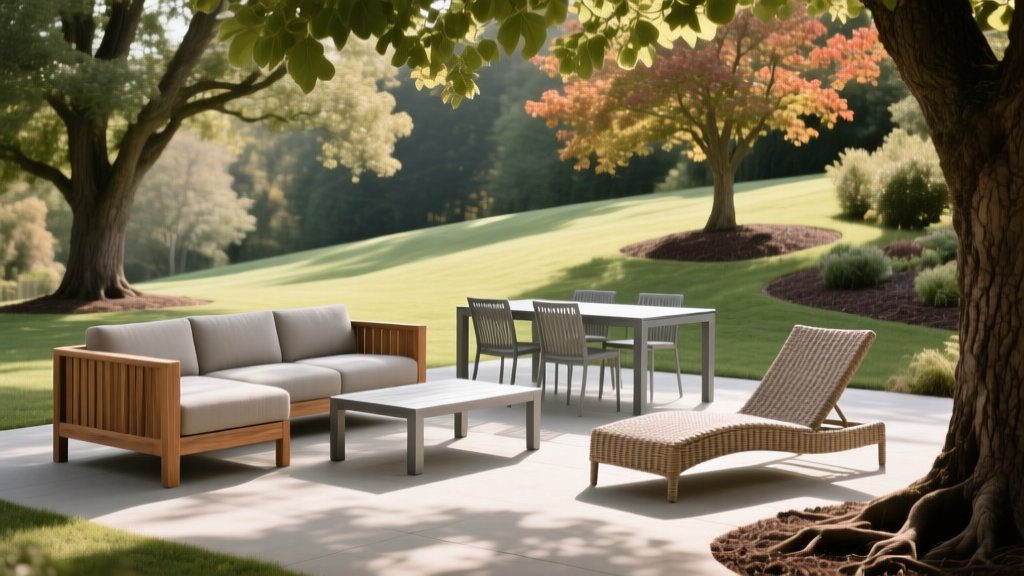
Best Shade Trees For Outdoor Furniture Durability 2026
Sarah ChenPublished
The Intersection of Tree Selection and Outdoor Furniture
As we navigate the 2026 landscaping season, homeowners are increasingly viewing their patios not just as isolated concrete slabs, but as fully integrated outdoor living rooms. When investing in premium outdoor furniture, the surrounding landscape architecture plays a critical role in preserving your investment. The intersection of tree selection and outdoor furniture durability is a nuanced science. Trees provide essential shade that blocks harmful UV rays, lowers ambient temperatures, and creates a tranquil microclimate. However, the wrong tree species can wreak havoc on your patio setup through aggressive root systems, acidic leaf litter, sticky sap drip, and constant moisture retention.
According to the Arbor Day Foundation, planting the right tree in the right place is the foundational rule of sustainable landscaping. When applied to outdoor living spaces, this means selecting tree species whose natural growth habits, debris profiles, and canopy densities complement the specific materials of your patio furniture. In this comprehensive 2026 guide, we will explore how to strategically plant and position shade trees to maximize the lifespan of teak, aluminum, and resin wicker furniture.
Material Breakdown: Teak, Aluminum, and Resin Wicker
Before digging your shovel into the soil, it is crucial to understand how different furniture materials interact with the natural byproducts of trees. Modern outdoor furniture manufacturing in 2026 has introduced advanced UV inhibitors and marine-grade coatings, but nature still poses unique challenges to each material.
| Material | UV Resistance | Sap & Stain Vulnerability | Moisture & Mold Risk | Ideal Tree Canopy Type |
|---|---|---|---|---|
| Grade-A Teak | High | Moderate | Low | Open, dappled shade |
| Powder-Coated Aluminum | High | Low | Low | Dense, broad shade |
| HDPE Resin Wicker | Moderate-High | High | High | High, umbrella canopy |
Best Trees to Plant Near Teak Furniture
Grade-A teak remains the gold standard for outdoor wood furniture in 2026. Its high natural oil content and tight grain make it incredibly resistant to rot, insects, and warping. However, teak is highly susceptible to surface staining from tree sap and the subsequent growth of black mildew that feeds on sugary tree excretions. If you are furnishing your patio with teak, you must avoid planting trees that drip sap or host aphids, which secrete a sticky substance known as honeydew.
Recommended Species:
- Japanese Maple (Acer palmatum): These stunning ornamental trees provide beautiful, dappled shade without the heavy sap drip associated with evergreens. Their delicate leaf structure allows sunlight to filter through, preventing the dark, damp conditions that promote mold on teak surfaces.
- Eastern Redbud (Cercis canadensis): A fantastic understory tree that offers a broad, vase-shaped canopy. Redbuds are relatively clean trees that drop their leaves efficiently in the fall without leaving behind a sticky residue.
Planting Strategy: Plant these trees 10 to 15 feet away from the edge of your patio. This distance ensures the canopy provides afternoon shade while keeping the bulk of the leaf litter and minor sap drip away from your teak dining sets and loungers.
Protecting Aluminum Furniture with Strategic Canopies
Powder-coated and marine-grade aluminum furniture dominates the 2026 market due to its lightweight nature and rust-proof properties. While aluminum does not degrade from moisture or sap, it is a highly conductive metal. In direct summer sunlight, aluminum frames can become uncomfortably hot to the touch and can even transfer heat to outdoor cushions, accelerating fabric fading and degradation. Therefore, aluminum furniture requires dense, broad shade to maintain a comfortable ambient temperature.
Recommended Species:
- Crape Myrtle (Lagerstroemia): Known for its spectacular summer blooms and smooth, exfoliating bark, the Crape Myrtle develops a thick, dense canopy that acts as an excellent thermal barrier. Modern 2026 cultivars are highly resistant to powdery mildew, ensuring the tree stays clean and healthy above your seating area.
- Flowering Dogwood (Cornus florida): Dogwoods offer a wide, tiered branching structure that casts deep, cooling shade. They are excellent for shielding large aluminum sectional sofas from the harsh midday sun.
Planting Strategy: Because aluminum is impervious to sap and moisture, you can plant these trees closer to the patio edge—typically 8 to 12 feet away. Ensure you prune the lower branches to a height of at least 7 feet to maintain clear sightlines and prevent leaves from constantly brushing against the furniture.
Shielding Resin Wicker from UV and Moisture
High-Density Polyethylene (HDPE) resin wicker has evolved significantly, with 2026 models featuring advanced UV stabilizers that prevent cracking and fading. However, resin wicker is essentially woven plastic. When exposed to constant, heavy shade that traps humidity, or when placed under trees that constantly drip morning dew and rain, the woven texture becomes a breeding ground for mildew, particularly on the cushions and within the deep crevices of the weave.
Recommended Species:
- Japanese Zelkova (Zelkova serrata): This tree is prized for its distinct vase shape and high, umbrella-like canopy. It provides excellent UV protection from above while allowing ample air circulation underneath, which is vital for keeping resin wicker dry and mildew-free.
- Ginkgo Biloba (Male Cultivars): Male Ginkgo trees offer brilliant yellow fall color and a relatively open canopy that promotes airflow. Note: Always ensure you purchase a certified male cultivar, as female Ginkgo trees drop foul-smelling fruit that will stain resin wicker and ruin patio aesthetics.
Planting Strategy: Position these trees 12 to 18 feet from the patio. The goal is to create a "roof" of shade without creating a "wall" of foliage that blocks the breeze. Airflow is just as important as shade when preserving resin wicker and outdoor fabrics.
Trees to Avoid Near Your Patio
When consulting the University of Minnesota Extension guidelines on urban tree selection, several species are consistently flagged as problematic for hardscapes and outdoor living areas. Avoid planting the following near any outdoor furniture:
- Pine Trees (Pinus species): Notorious for dripping highly acidic, sticky sap that will permanently ruin teak finishes and bond to resin wicker weaves. Pine needles also clog drainage holes in furniture feet.
- Sweetgum (Liquidambar styraciflua): Drops spiky, woody "gumballs" that are a nightmare to clean out of woven resin wicker and can scratch powder-coated aluminum surfaces when blown by the wind.
- Bradford Pear (Pyrus calleryana): While they offer beautiful spring blooms, their weak branch structure makes them highly susceptible to splitting during 2026's increasingly severe summer microbursts and storms, posing a severe physical threat to expensive furniture below.
2026 Planting Distances and Root Management
Selecting the right species is only half the battle; proper planting technique ensures your patio infrastructure remains intact. Tree roots naturally seek out the path of least resistance, and the gravel beds or sand bases beneath many patios can inadvertently attract aggressive root systems, leading to heaved pavers and uneven furniture placement.
According to planting best practices outlined by Penn State Extension, managing the root flare and utilizing physical barriers is essential for hardscape preservation. If you are planting fast-growing shade trees within 15 feet of a patio, consider installing a heavy-duty polyethylene root barrier in 2026. Trench a narrow line between the tree and the patio, and insert the barrier to a depth of at least 24 inches to deflect roots downward rather than laterally.
Furthermore, avoid piling mulch in "volcano" shapes against the tree trunk, as this invites rot and encourages surface roots. Instead, apply a 2-to-3-inch layer of organic mulch in a wide donut shape, keeping it several inches away from the trunk. This promotes deep, stable root growth that anchors the tree securely against high winds, ensuring your outdoor sanctuary remains both beautiful and structurally safe for years to come.
Conclusion
Harmonizing your landscape architecture with your outdoor furniture requires a strategic approach to tree selection. By understanding the unique vulnerabilities of teak, aluminum, and resin wicker, you can choose shade trees that protect rather than degrade your investment. Whether you are planting the dappled shade of a Japanese Maple over a teak dining set, or the broad canopy of a Crape Myrtle to cool an aluminum lounge, thoughtful placement in 2026 will guarantee a durable, beautiful, and comfortable outdoor living space for decades.
