Home & Garden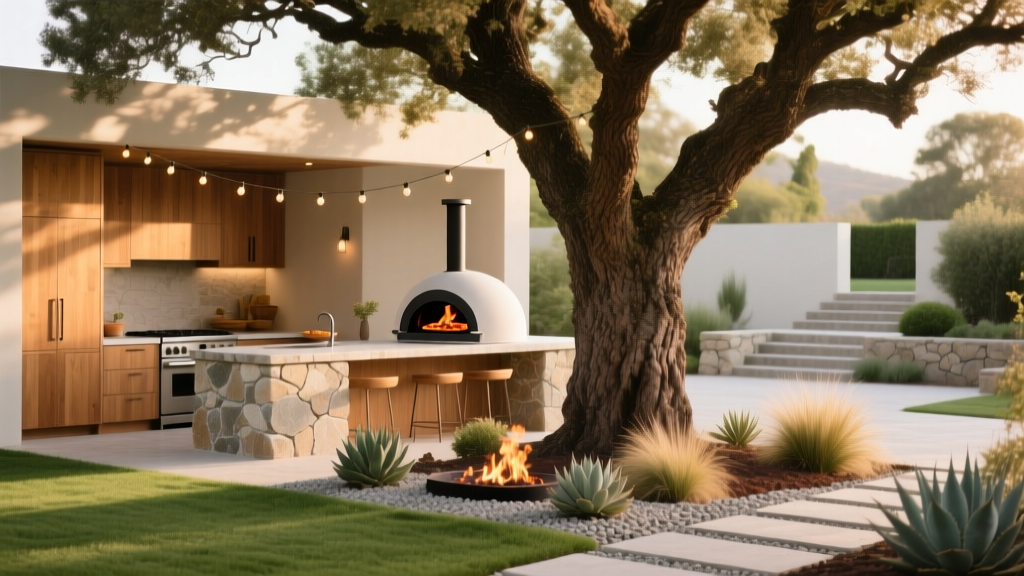
Best Shade Trees For Outdoor Kitchens & Pizza Ovens 2026
James MillerPublished
The 2026 Outdoor Kitchen Boom: Why Tree Placement Matters
As we navigate the landscaping trends of 2026, the backyard has fully evolved from a simple lawn into a sophisticated, secondary culinary hub. Homeowners are no longer satisfied with a standalone kettle grill; today's premier outdoor living spaces feature expansive masonry countertops, built-in gas and charcoal stations, and the crown jewel of alfresco dining: the wood-fired pizza oven. However, designing an outdoor kitchen with a built-in grill and pizza oven requires more than just selecting high-end stainless steel appliances and pouring a concrete slab. The surrounding landscape—specifically your tree selection and planting strategy—plays a critical role in the functionality, safety, and comfort of your culinary space.
Standing over a 900-degree pizza oven or a searing built-in grill in the direct midday sun is an exhausting experience. Strategic shade is essential for the chef's comfort and for keeping ambient temperatures around your refrigeration and beverage centers manageable. Yet, you cannot simply plant any tree near an outdoor kitchen. The unique combination of intense heat, flying sparks, heavy masonry foundations, and strict food safety requirements means that tree selection must be approached with precision. In this comprehensive 2026 guide, we bridge the gap between hardscape design and horticulture, showing you exactly which trees to plant, where to place them, and how to protect your investment.
Unique Challenges of Pizza Ovens and Built-In Grills
Before breaking ground on your planting beds, it is vital to understand the specific environmental challenges posed by outdoor kitchens. Unlike a standard patio dining set, a built-in grill and masonry pizza oven introduce severe heat, smoke, and structural weight into your landscape.
Chimney Clearance and Fire Safety
Wood-fired pizza ovens require a properly drafted chimney, which inevitably releases hot air, smoke, and occasional embers. Overhanging tree branches pose a severe fire hazard. According to defensible space principles adapted for backyard structures, you must maintain strict vertical and horizontal clearance between your oven's flue and any combustible foliage. Choosing trees with a high mature canopy or those that can be easily limbed up (pruned from the bottom) is non-negotiable.
Hardscape Heaving and Root Aggression
A masonry pizza oven, complete with its firebrick dome, stone veneer, and reinforced concrete foundation, can weigh several thousand pounds. If planted too close, aggressive surface-rooting trees like Willows, Poplars, or Silver Maples will heave and crack your patio slab, potentially compromising the structural integrity of the oven dome itself. In 2026, hardscape repair costs are at an all-time high, making proactive root management a financial necessity.
The 'Mess' Factor and Food Safety
When preparing food outdoors, the last thing you want is tree sap, dropping berries, or excessive pollen falling onto your prep counters or directly onto your pizza. Trees prone to aphid infestations (which produce sticky honeydew) or those that drop messy catkins and seed pods must be strictly avoided in the immediate vicinity of your outdoor kitchen.
Top Tree Species for Outdoor Kitchen Landscaping (2026 Guide)
Selecting the right tree requires balancing canopy spread, root behavior, and litter production. Below is our curated comparison chart of the best trees to plant near your outdoor kitchen and pizza oven this year.
| Tree Species | Mature Canopy Height | Root Aggression | Mess Factor | Best Placement |
|---|---|---|---|---|
| Male Ginkgo Biloba ('Autumn Gold') | 50-75 ft | Low (Deep Taproot) | Very Low (No Fruit) | Primary Shade Canopy |
| Fruitless Olive ('Swan Hill') | 20-30 ft | Moderate | None | Mediterranean Aesthetic / Perimeter |
| Japanese Maple ('Bloodgood') | 15-20 ft | Low | Low (Seasonal Leaf Drop) | Accent Shade / Lounge Zone |
| Crape Myrtle ('Natchez') | 20-30 ft | Low | Low | Sun-Filtering / Background |
| Thuja 'Green Giant' | 30-40 ft | Moderate | Very Low | Windbreak / Privacy Screen |
1. Male Ginkgo Biloba ('Autumn Gold')
The Ginkgo is a prehistoric survivor and an outstanding choice for primary shade over an outdoor kitchen. The 'Autumn Gold' cultivar offers a brilliant yellow fall display and a high, spreading canopy that allows for ample clearance above a pizza oven chimney. Crucially, you must ensure you are planting a male clone; female Ginkgos drop foul-smelling fruit that will ruin any outdoor dining experience. Its deep root system is generally respectful of nearby hardscaping, making it a top tier choice for 2026 landscape architects.
2. Fruitless Olive ('Swan Hill')
If your outdoor kitchen features a traditional Italian masonry pizza oven, the aesthetic synergy of an Olive tree is unmatched. The 'Swan Hill' variety is completely fruitless, eliminating the mess of dropped olives and the staining of your stone countertops. It thrives in the heat radiating off the pizza oven and requires minimal water once established, aligning perfectly with the drought-tolerant landscaping mandates seen in many regions this year.
3. Thuja 'Green Giant' (The Windbreak Solution)
While not a shade tree for directly over the grill, the 'Green Giant' Arborvitae is essential for the perimeter of your outdoor kitchen. Built-in grills and pizza ovens lose significant thermal efficiency when subjected to crosswinds. A prevailing wind can disrupt the draft of a pizza oven chimney, causing smoke to blow back into the chef's face, and can drop the ambient temperature of a gas grill by hundreds of degrees. Planting a dense evergreen screen 15 to 20 feet upwind from your cooking zone creates a vital microclimate buffer.
Strategic Planting: Microclimates and Temperature Control
The ambient temperature of your outdoor kitchen directly impacts both the chef's endurance and the performance of your appliances. According to the EPA's Trees and Vegetation cooling strategies, properly placed shade trees can reduce local air temperatures by up to 10°F to 20°F compared to unshaded hardscapes. In the context of a 2026 outdoor kitchen, this means the difference between a sweltering, unusable patio and a comfortable culinary retreat.
To maximize this cooling effect without compromising safety, position your primary shade trees (like the Ginkgo or Crape Myrtle) to the south and west of the outdoor kitchen. This orientation blocks the most intense afternoon sun, casting a protective shadow over the prep zones and seating areas, while leaving the pizza oven chimney exposed to the open sky for proper drafting.
Best Practices for Hardscape Protection and Root Management
Protecting the structural integrity of your outdoor kitchen foundation is paramount. The University of Minnesota Extension emphasizes that proper planting depth and spatial planning are the best defenses against root-related hardscape damage. When planting near heavy masonry structures like a pizza oven, follow these strict 2026 installation protocols:
- Minimum Planting Distance: Plant any medium-to-large shade tree at least 15 to 20 feet away from the edge of your outdoor kitchen's concrete footer. This accounts for the radial spread of the root system over the next two decades.
- Install HDPE Root Barriers: If you must plant closer for aesthetic reasons, install a High-Density Polyethylene (HDPE) root barrier between the tree and the hardscape. The barrier should be buried at least 36 inches deep and extend 2 inches above the soil grade to prevent roots from growing over the top.
- Chimney Clearance Zones: Applying principles from the Arbor Day Foundation's Right Tree, Right Place guide, calculate the mature canopy spread of your chosen tree before planting. Ensure that the mature canopy will not encroach within a 10-foot horizontal radius of the pizza oven's chimney cap to prevent fire hazards and smoke traps.
Smart Irrigation Integration for the 2026 Outdoor Kitchen
Trees require water, but your outdoor kitchen hardscape must remain dry to prevent slip hazards and protect built-in cabinetry. In 2026, integrating your tree planting zones with smart home irrigation is standard practice. Utilize a smart controller (such as the latest Rachio or Hydrawise models) paired with localized drip irrigation zones. Drip emitters deliver water directly to the tree's root ball, eliminating the overspray that plagues traditional sprinkler heads. This ensures your newly planted shade trees thrive without constantly soaking your pizza oven's hearth, your built-in grill's ignition system, or your expensive outdoor bar stools.
Conclusion
Designing an outdoor kitchen with a built-in grill and pizza oven is a significant investment in your home and lifestyle. By viewing your landscape design through the lens of culinary functionality, you can create a space that is as beautiful as it is practical. Selecting high-canopy, low-litter trees like the Male Ginkgo or Fruitless Olive, implementing robust root barriers, and strategically planting evergreen windbreaks will ensure your outdoor kitchen remains a safe, comfortable, and highly efficient environment for years to come. Plan your canopy today, and enjoy the perfect wood-fired pizza in the cool, dappled shade of tomorrow.
