Home & Garden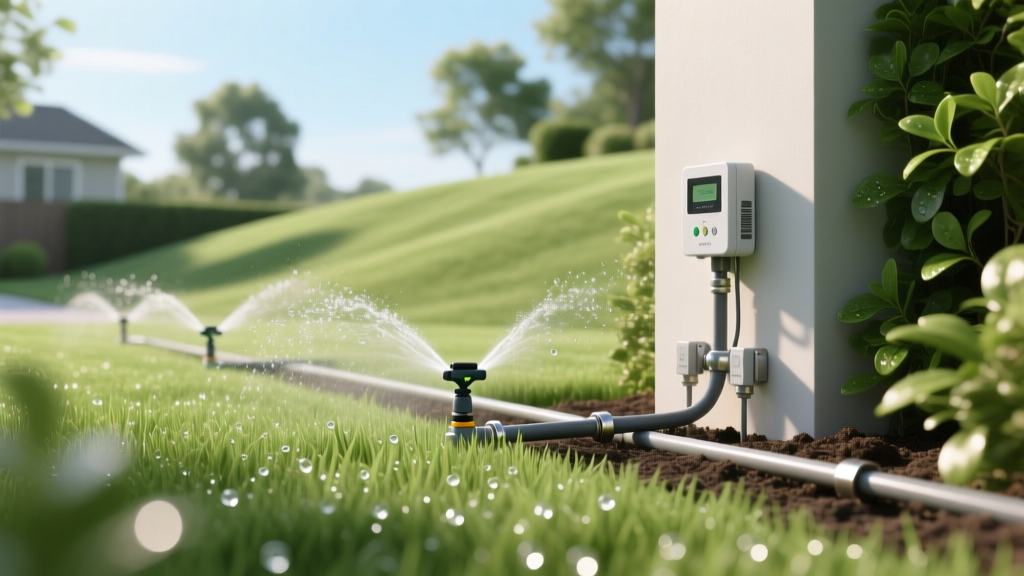
Smart Irrigation Costs and Water Savings ROI Guide
Mike RodriguezPublished
As homeowners increasingly look to bridge the gap between smart home technology and energy-efficient landscaping, the traditional sprinkler timer is rapidly becoming a relic of the past. Upgrading to a smart irrigation system is one of the most impactful seasonal home maintenance projects you can undertake, offering a seamless blend of convenience, environmental stewardship, and long-term financial savings. However, before ripping out your old dial-based timer, it is crucial to understand the financial landscape of this upgrade. This comprehensive pricing guide breaks down the costs of smart irrigation systems, explores the hidden fees, and helps you calculate the true return on investment (ROI) through water savings and utility rebates.
What Defines a Smart Irrigation System?
Unlike traditional timers that simply run on a fixed schedule regardless of the weather, smart irrigation controllers use real-time data to adjust watering cycles automatically. These systems generally fall into two categories: weather-based (evapotranspiration or ET) controllers and soil moisture sensor controllers. Weather-based controllers connect to your home Wi-Fi network and pull local meteorological data, adjusting run times based on recent rainfall, temperature, humidity, and wind speeds. Soil moisture sensors, on the other hand, are buried directly in the root zones of your lawn or garden beds and trigger irrigation only when the soil moisture drops below a specific threshold.
By integrating these controllers with smart home ecosystems like Amazon Alexa, Google Home, or Apple HomeKit, you can monitor your landscape's hydration levels from your smartphone, receive freeze or leak alerts, and manage your outdoor water usage with the same ease as your indoor smart lighting or thermostat.
The True Cost of Smart Irrigation Installation
The total cost of upgrading to a smart irrigation system depends heavily on the size of your property, the number of irrigation zones, and whether you choose a DIY installation or hire a licensed landscaping professional. For the average suburban home with an established sprinkler system, the primary expense is the smart controller itself, as the existing field wiring and solenoid valves can usually be repurposed.
| System Size (Zones) | Smart Controller Cost | Professional Installation | Total Estimated Cost |
|---|---|---|---|
| 4 to 6 Zones | $130 - $180 | $150 - $250 | $280 - $430 |
| 8 Zones | $180 - $250 | $200 - $350 | $380 - $600 |
| 12 to 16 Zones | $250 - $400 | $300 - $500 | $550 - $900 |
| Soil Moisture Sensors (Add-on) | $100 - $250 per zone | $150 - $300 per zone | $250 - $550 per zone |
If you are installing a completely new irrigation system from scratch—including trenching, laying PVC or polyethylene pipes, and installing new sprinkler heads—the costs will be significantly higher, typically ranging from $2,500 to $5,000 for an average-sized lawn. However, if you are simply retrofitting an existing system with a smart Wi-Fi controller, the labor is minimal. A professional will typically charge a flat service fee or an hourly rate of $75 to $125 to mount the new unit, wire it to your existing solenoids, and configure the software on your phone.
Calculating the ROI: Water Savings and Utility Rebates
The financial justification for a smart irrigation system lies in its ability to eliminate overwatering. According to the Environmental Protection Agency (EPA), outdoor water use accounts for nearly 30% of total household water consumption, and in arid regions, this figure can exceed 60%. Furthermore, the EPA estimates that up to 50% of water used for outdoor irrigation is wasted due to evaporation, wind, or runoff caused by inefficient, outdated scheduling.
By switching to a smart controller, homeowners typically reduce their outdoor water usage by 20% to 50%. Let us look at a practical ROI calculation. If your summer water bill averages $150 per month, and 50% of that is attributed to outdoor irrigation ($75), a conservative 30% reduction in outdoor water use saves you $22.50 per month. Over a six-month irrigation season, that equates to $135 in annual savings. For a $200 smart controller, the system pays for itself in roughly 1.5 to 2 years through utility savings alone.
Beyond monthly utility savings, the ROI is dramatically accelerated by local utility rebates. Many municipal water districts actively incentivize water conservation. The EPA WaterSense Irrigation Controllers program maintains a database of certified smart controllers that qualify for these rebates. It is incredibly common for local water authorities to offer rebates ranging from $50 to $150—or even covering 100% of the controller's cost—simply for upgrading to a WaterSense-labeled smart device. Always check with your local water provider before purchasing to ensure your chosen model qualifies for maximum reimbursement.
Smart Controllers vs. Traditional Timers: A Cost Comparison
When evaluating costs, it is helpful to compare smart controllers directly against traditional dial or digital timers. A standard, non-connected digital timer typically costs between $40 and $80. While the upfront savings of $100 might seem appealing, traditional timers lack the ability to adapt to environmental changes. If you go on vacation or experience an unexpected week of rain, a traditional timer will continue to water your lawn unless you manually intervene. This 'set it and forget it' mentality inevitably leads to water waste, higher utility bills, and an increased risk of fungal lawn diseases caused by over-saturation. The smart controller's higher initial price tag is effectively an insurance policy against water waste and landscape damage.
Hidden Costs and Ongoing Maintenance
While smart irrigation systems are generally low-maintenance, there are a few hidden costs and technical considerations to keep in mind. First, smart controllers require a stable 2.4GHz Wi-Fi connection. If your router is located deep inside your home and your irrigation controller is mounted in a detached garage or a far corner of the basement, you may need to purchase a Wi-Fi range extender or a mesh network node, adding $40 to $100 to your project cost.
Secondly, while most residential smart controllers (like those from Rachio, B-hyve, or Rain Bird) do not charge monthly subscription fees, some advanced commercial-grade systems or specialized agricultural soil sensors do require a monthly data plan. Always verify the software licensing model before purchasing. Finally, if you opt for soil moisture sensors, be aware that the probes have a limited lifespan. The electrodes can degrade over time due to soil acidity and salinity, requiring replacement every 3 to 5 years at a cost of $50 to $100 per sensor.
Actionable Steps to Maximize Your Landscaping Investment
To ensure your smart irrigation system delivers the highest possible ROI and keeps your garden thriving, follow these actionable best practices:
- Conduct a Pre-Installation Audit: Before connecting your new smart controller, run each zone manually to check for broken sprinkler heads, clogged nozzles, or misaligned spray patterns. A smart controller cannot fix physical hardware leaks; it can only optimize the scheduling.
- Implement Hydrozoning: Group plants with similar water needs on the same valve zones. Keep your thirsty turfgrass separate from drought-tolerant shrubs and flower beds. This allows the smart controller to apply precise amounts of water to each specific micro-climate in your yard.
- Upgrade to High-Efficiency Nozzles: Pair your smart controller with rotating multi-stream nozzles (such as MP Rotators). These nozzles apply water much slower than traditional spray heads, drastically reducing runoff and allowing the soil to absorb moisture more effectively.
- Utilize Seasonal Shift Features: Most smart apps feature a 'seasonal adjust' slider. Even though the system uses weather data, manually reducing the baseline watering percentage by 20% during the cooler months of early spring and late autumn can yield extra savings without stressing the turf.
- Winterize the System Properly: Smart controllers manage water, not air. In freezing climates, you must still hire a professional to blow out your irrigation lines with compressed air in the late fall to prevent catastrophic pipe bursts and costly spring repairs.
Environmental Impact and Long-Term Sustainability
The financial benefits of smart irrigation are deeply intertwined with environmental conservation. Data from the United States Geological Survey (USGS) highlights that landscape irrigation accounts for nearly one-third of all residential water use nationwide, totaling billions of gallons daily. By adopting smart home integration for your outdoor spaces, you are directly reducing the strain on local aquifers, decreasing the energy required by municipal facilities to pump and treat water, and minimizing the runoff of synthetic fertilizers into local watersheds. Energy-efficient landscaping is not just a trend; it is a critical component of modern, sustainable home ownership.
Final Thoughts on Landscaping ROI
Upgrading to a smart irrigation system is a premier DIY garden project that pays measurable dividends. While the upfront cost of a Wi-Fi-enabled controller and potential professional installation ranges from $280 to $900, the combination of drastically reduced water bills, robust utility rebates, and a healthier, more resilient lawn ensures a rapid return on investment. By taking control of your outdoor water usage through smart technology, you elevate your home's curb appeal, protect your landscaping investment, and contribute to vital water conservation efforts all season long.
