Home & Garden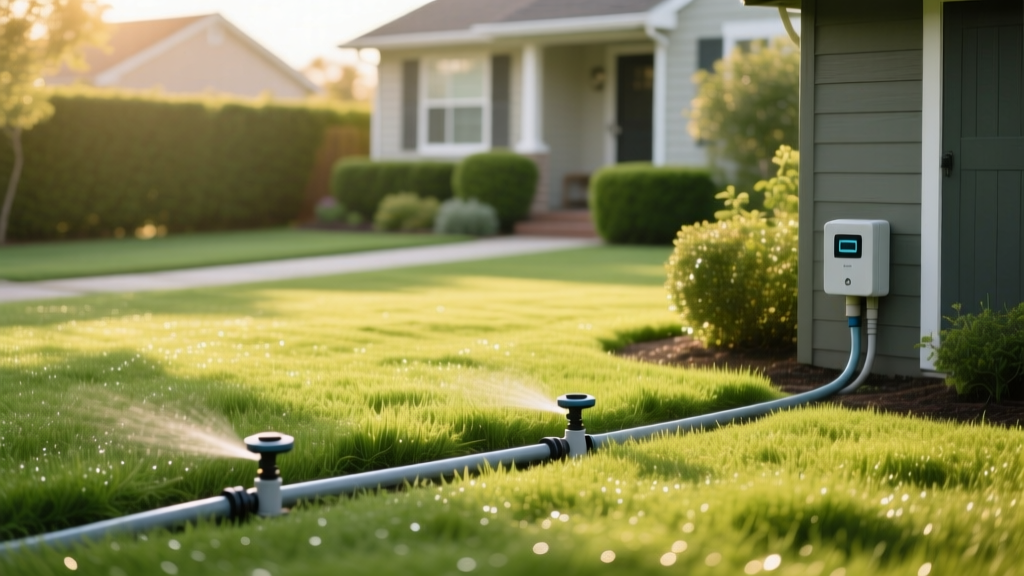
The Ultimate Smart Irrigation and Lawn Care Schedule
Lisa ThompsonPublished
Bridging Indoor Tech and Outdoor Turf Care
Maintaining a pristine, lush lawn while bridging the gap between indoor smart home technology and outdoor landscaping requires more than just a traditional sprinkler timer. As homeowners increasingly seek energy-efficient landscaping and water conservation methods, integrating a smart irrigation controller into your seasonal lawn care schedule has become a game-changer. According to the EPA WaterSense program, outdoor water use accounts for nearly 30 percent of total household water consumption, and much of that is wasted due to inefficient scheduling and evaporation. By upgrading to a weather-based smart controller and following a structured, season-by-season lawn care checklist, you can reduce water usage by up to 50 percent while keeping your turf healthier than ever.
Why Integrate Smart Irrigation with Your Lawn Care Schedule?
Traditional irrigation systems operate on fixed timers, completely ignoring real-time weather conditions, soil moisture levels, and seasonal evapotranspiration (ET) rates. This leads to overwatering during rainy weeks and underwatering during heatwaves. Smart irrigation controllers, such as the Rachio 3 or Rain Bird ST8I-2.0S, connect to your home Wi-Fi network and pull hyper-local weather data to automatically adjust watering schedules. When you pair this technology with a disciplined lawn care schedule—encompassing mowing, fertilizing, aerating, and overseeding—you create a synergistic ecosystem. Your grass receives exactly the hydration it needs to absorb nutrients, develop deep root systems, and resist pests, all while seamlessly integrating with your indoor smart home routines via platforms like Amazon Alexa, Google Home, or Apple HomeKit.
Seasonal Lawn Care and Smart Irrigation Schedule
Spring: System Startup and Soil Prep
As soil temperatures consistently reach 55°F, it is time to wake up your lawn and your irrigation system. Begin by performing a comprehensive spring audit of your sprinkler zones. Check for broken heads, misaligned nozzles, and leaks. Reprogram your smart controller to switch from winter dormancy to a spring baseline schedule. Cool-season grasses like Kentucky Bluegrass and Fescue typically require about 1 to 1.25 inches of water per week in spring. Apply a pre-emergent herbicide and a slow-release nitrogen fertilizer. Ensure your smart controller's rain delay and freeze skip features are actively enabled to prevent watering during late spring frosts, which can damage new growth and waste resources.
Summer: Peak Demand and Evapotranspiration
Summer is the most critical season for lawn hydration and the time when your smart controller proves its worth. Evapotranspiration rates skyrocket, meaning grass loses water rapidly through both soil evaporation and plant transpiration. Program your smart system to water deeply and infrequently, aiming for 1.5 inches of water per week, ideally split into two or three early morning sessions (between 4:00 AM and 6:00 AM) to minimize wind interference and evaporation. Utilize soil moisture sensors to override scheduled watering if the ground is already saturated. Mow your lawn at a higher setting (3 to 4 inches) to shade the soil and retain moisture. If your smart system supports it, enable 'cycle and soak' features to prevent runoff on compacted or clay-heavy soils.
Fall: Aeration, Overseeding, and Tapering Off
Fall is the season for lawn rehabilitation and preparing the root system for winter survival. Schedule core aeration to relieve soil compaction, followed by overseeding with a climate-appropriate grass seed blend. Newly planted seeds require frequent, shallow watering—sometimes two to three times a day for just a few minutes. Use your smart controller's temporary schedule feature to accommodate this without disrupting your main zones' deep-watering routines. As temperatures drop, the smart controller will naturally taper off watering based on local weather data. Apply a winterizer fertilizer high in potassium to strengthen cell walls against freezing temperatures.
Winter: Winterization and Smart Home Audits
Before the first hard freeze, you must winterize your irrigation system to prevent cracked pipes and damaged valves. Hire a professional to perform an air compressor blowout (typically costing between $75 and $150 depending on the number of zones). Once the system is drained, use the winter months to audit your smart home integration. Update the firmware on your irrigation hub, review your water usage reports via the companion app, and plan any landscape redesigns or drip irrigation conversions for garden beds to improve next year's energy-efficient landscaping footprint.
Monthly Lawn Care and Irrigation Checklist
Use the following table as a quick-reference guide to align your turf maintenance with your smart watering schedule throughout the year.
| Month | Lawn Care Task | Smart Irrigation Action | Target Water (Inches/Week) |
|---|---|---|---|
| March | Raking, soil testing | System audit, Wi-Fi check | 0.5 - 1.0 |
| April | Pre-emergent, first mow | Enable rain delay, baseline schedule | 1.0 - 1.25 |
| May | Weed control, edging | Check nozzle coverage, adjust zones | 1.25 |
| June | Grub prevention, high mow | Enable cycle and soak, ET tracking | 1.5 |
| July | Monitor for drought stress | Verify soil moisture sensor data | 1.5 - 2.0 |
| August | Spot treat weeds | Adjust for late summer heatwaves | 1.5 |
| September | Aeration, overseeding | Set temporary frequent shallow schedules | 1.0 + seed water |
| October | Leaf removal, winterizer | Taper off watering automatically | 0.5 - 1.0 |
| November | Final mow, clean beds | System blowout, winterize valves | 0.0 |
| December | Equipment maintenance | Firmware updates, app review | 0.0 |
Top Smart Irrigation Controllers for Home Automation
When selecting a smart controller to anchor your outdoor maintenance schedule, consider how it bridges with your indoor smart home ecosystem. The Rachio 3 Smart Sprinkler Controller is widely regarded for its seamless integration with Amazon Alexa and Google Assistant, allowing you to trigger manual zone tests or check water usage via voice commands. The Rain Bird ST8I-2.0S offers robust, contractor-grade durability with an intuitive app that excels in managing complex cycle-and-soak routines for sloped landscapes. For those heavily invested in the Apple ecosystem, HomeKit-enabled smart valves provide secure, localized control without relying on third-party cloud servers. According to the Irrigation Association, properly installed and managed smart irrigation technologies can save an average home nearly 7,600 gallons of water annually.
Advanced Features to Leverage for Energy-Efficient Landscaping
To truly maximize the intersection of home and garden care, look beyond basic scheduling. Flow sensors are a critical add-on; they monitor the volume of water passing through your mainline and will automatically shut off the system and send a push notification to your smartphone if a pipe bursts or a sprinkler head is sheared off by a lawnmower. This prevents catastrophic water waste and protects your foundation from flooding. Additionally, integrating drip irrigation zones into your smart controller for your garden-to-table vegetable patches and ornamental shrub beds delivers water directly to the root zone, eliminating wind drift and evaporation. This targeted approach not only conserves water but also reduces the humidity around plant foliage, significantly lowering the risk of fungal diseases like powdery mildew.
Troubleshooting Common Smart Irrigation Issues
Even the most advanced smart home integrations can experience hiccups. If your controller frequently drops offline, ensure your Wi-Fi router has adequate range to reach the exterior wall or garage where the unit is mounted; a simple Wi-Fi extender can resolve this. If the system skips watering despite dry conditions, check the placement of your local weather station data source within the app—switching to a closer, more accurate hyper-local weather station or installing a physical on-site rain and freeze sensor can correct phantom delays. Finally, if certain zones are failing to trigger, inspect the physical wiring connections at the controller terminal and the valve solenoids, as voltage drops or corroded wire nuts are the most common culprits for zone failure.
Conclusion
Bridging the gap between indoor convenience and outdoor vitality is the hallmark of modern home and garden care. By adopting a meticulous, season-by-season lawn care checklist and upgrading to a smart irrigation system, you transform your yard into a self-regulating, water-efficient landscape. Not only does this approach save you time and money on utility bills, but it also contributes to broader environmental conservation efforts, ensuring your lawn remains a lush, vibrant extension of your living space for years to come.
