Home & Garden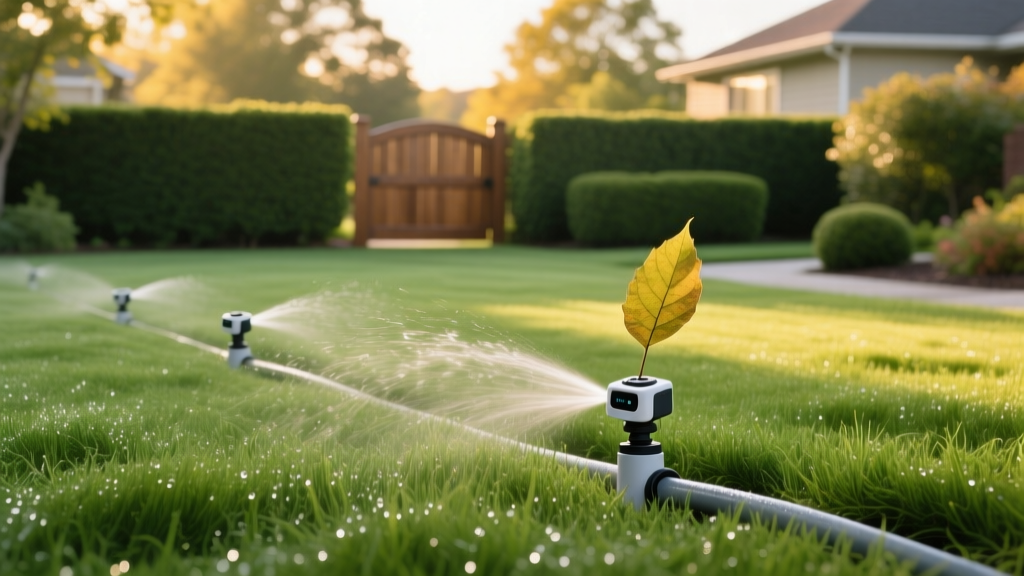
Smart Irrigation Schedule and Seasonal Lawn Care Checklist
Emily WatsonPublished
Bridging the Gap: Smart Home Tech Meets the Great Outdoors
The modern home is more connected than ever, but the digital revolution shouldn't stop at your back door. Bridging indoor and outdoor living means extending your smart home ecosystem into the garden, creating a seamless transition between your living room and your landscape. One of the most impactful ways to achieve this is by upgrading your outdoor maintenance routines. By combining a smart irrigation schedule with a meticulous seasonal lawn care checklist, you can drastically reduce your water bill, minimize your environmental footprint, and maintain a lush, vibrant yard that complements your outdoor living spaces.
Traditional lawn care often relies on guesswork and outdated analog timers that water your grass whether it's pouring rain or blazing hot. Today, energy-efficient landscaping and smart home integration allow you to automate these processes, ensuring your lawn gets exactly what it needs, precisely when it needs it. Below, we break down the ultimate seasonal checklist and smart watering schedule to keep your turf pristine year-round.
Why Upgrade to a Smart Irrigation System?
Before diving into the seasonal checklist, it is crucial to understand the hardware driving your landscape's hydration. Smart irrigation controllers replace standard clock timers by using local weather data or soil moisture sensors to adjust watering schedules automatically. According to the EPA WaterSense program, replacing a standard clock timer with a WaterSense labeled smart irrigation controller can save the average home nearly 7,600 gallons of water annually. These devices connect to your home's Wi-Fi, allowing you to monitor water usage, set rain delays, and manage distinct hydro-zones directly from your smartphone.
The Ultimate Seasonal Lawn Care Checklist
A smart sprinkler system is only as effective as the turf it waters. Proper soil health, mowing practices, and seasonal amendments are required to maximize the efficiency of your irrigation. The experts at the University of Minnesota Extension emphasize that seasonal timing is the most critical factor in turfgrass management.
Spring: Awakening and Preparation (March - May)
Spring is about waking up the soil and preventing weeds before they take root.
- Thatch Removal: Once the lawn is dry, use a flexible leaf rake to remove winter thatch and debris, allowing the soil to breathe.
- Pre-Emergent Herbicide: Apply a pre-emergent like Scotts Halts when soil temperatures consistently reach 55°F to prevent crabgrass.
- Smart Controller Setup: Connect your smart controller to your local Wi-Fi. Input your soil type (e.g., clay, loam, sand) and grass type into the app so the algorithm can calculate precise run times.
- Mower Tune-Up: Sharpen mower blades. A dull blade tears grass, leaving it vulnerable to disease and increasing water loss through evaporation.
Summer: Maintenance and Water Conservation (June - August)
Summer is a stress test for your lawn. The goal is to maintain health while conserving water during peak heat.
- Raise the Mowing Height: Set your mower deck to 3.5 or 4 inches. Taller grass shades the soil, reducing evaporation and naturally suppressing weeds.
- Deep, Infrequent Watering: Program your smart controller to deliver 1 to 1.5 inches of water per week, split into two or three deep watering sessions. This encourages deep root growth.
- Monitor for Dry Spots: Walk the lawn weekly. If you see footprints remaining in the grass, it's a sign of localized drought stress. Adjust your smart controller's zone multipliers for those specific areas.
- Pause Fertilization: Avoid high-nitrogen synthetic fertilizers during peak summer heat, as they can burn dormant or stressed turf.
Fall: Repair and Winterization (September - November)
Fall is the most important season for cool-season grasses. The focus shifts to root development and winter prep.
- Core Aeration: Rent a core aerator to relieve soil compaction. This allows water, oxygen, and nutrients to penetrate the root zone.
- Overseeding: Immediately after aeration, overseed bare patches with a premium fescue or Kentucky bluegrass blend.
- Winterizer Fertilizer: Apply a slow-release, high-potassium winterizer fertilizer in late October to promote deep root storage before the freeze.
- Irrigation Blow-Out: Before the first hard freeze, hire a professional to blow out your sprinkler lines with compressed air to prevent cracked PVC pipes and damaged sprinkler heads.
Winter: Dormancy and Planning (December - February)
While the lawn sleeps, the smart gardener plans.
- Minimize Traffic: Avoid walking on frozen grass, which can break dormant crowns and cause dead spots in the spring.
- Equipment Maintenance: Drain fuel from gas-powered equipment or remove lithium-ion batteries from your smart mower and store them indoors.
- Review Water Data: Use your smart irrigation app to review the previous year's water usage reports. Identify zones that consistently over-watered and plan to adjust nozzle types (e.g., swapping spray heads for high-efficiency rotary nozzles) in the spring.
Smart Irrigation Scheduling by Season
While smart controllers automate daily adjustments, it is vital to understand the baseline watering requirements for your specific grass type. The following table provides a foundational schedule. Always ensure your smart controller's "seasonal shift" or "water budget" feature is enabled to automatically scale these baselines up or down based on daily evapotranspiration (ET) rates.
| Season | Cool-Season Grass (e.g., Fescue, Bluegrass) | Warm-Season Grass (e.g., Bermuda, Zoysia) | Smart Controller Settings & Tips |
|---|---|---|---|
| Spring | 0.5 to 1 inch / week | 0.5 inch / week (mostly dormant) | Enable rain delay sensors. Set watering to early morning (4:00 AM - 6:00 AM). |
| Summer | 1.5 to 2 inches / week | 1 to 1.5 inches / week | Use "cycle and soak" to prevent runoff on clay soils. Water 3 days a week deeply. |
| Fall | 1 to 1.5 inches / week | 0.5 to 1 inch / week | Gradually reduce water budget percentage from 100% to 60% as temperatures drop. |
| Winter | Dormant (System Winterized) | 0.25 inch / week (if no rainfall) | Disable automatic schedules in freezing zones. Run manual tests only during mid-day thaws. |
The secret to a drought-tolerant lawn is not watering less frequently, but watering more deeply to encourage roots to grow downward. Shallow, daily watering creates weak, surface-level roots that scorch the moment the summer sun hits.
Integrating Smart Controllers with Home Automation
To truly bridge indoor and outdoor living, integrate your irrigation system with your broader smart home ecosystem. Platforms like Rachio, Orbit B-hyve, and Hunter Hydrawise integrate seamlessly with Amazon Alexa, Apple HomeKit, and Google Home.
By using automation platforms like IFTTT (If This Then That), you can create powerful triggers. For example, you can set a routine where your smart home hub checks the local weather API every evening; if high winds are forecasted, the system automatically pauses the sprinklers to prevent water waste and uneven distribution. Furthermore, organizations like Water Use It Wisely highly recommend pairing smart controllers with wireless soil moisture sensors placed in the sunniest and shadiest parts of your yard. This ensures your automation is responding to actual ground conditions, not just ambient air temperature.
You can also integrate smart outdoor lighting into these routines. Set your landscape path lights to dim automatically when the smart irrigation system activates, saving energy and preventing light pollution during your designated early-morning watering windows.
Conclusion
Transitioning to a smart irrigation schedule and following a disciplined seasonal lawn care checklist transforms yard work from a weekend chore into an automated, efficient system. By leveraging weather-based data, adhering to proper mowing and aeration timelines, and integrating your outdoor tech with your indoor smart home hub, you achieve a beautiful, resilient landscape. Not only will you elevate your outdoor living space, but you will also contribute to vital water conservation efforts while keeping your utility costs firmly under control.
