Home & Garden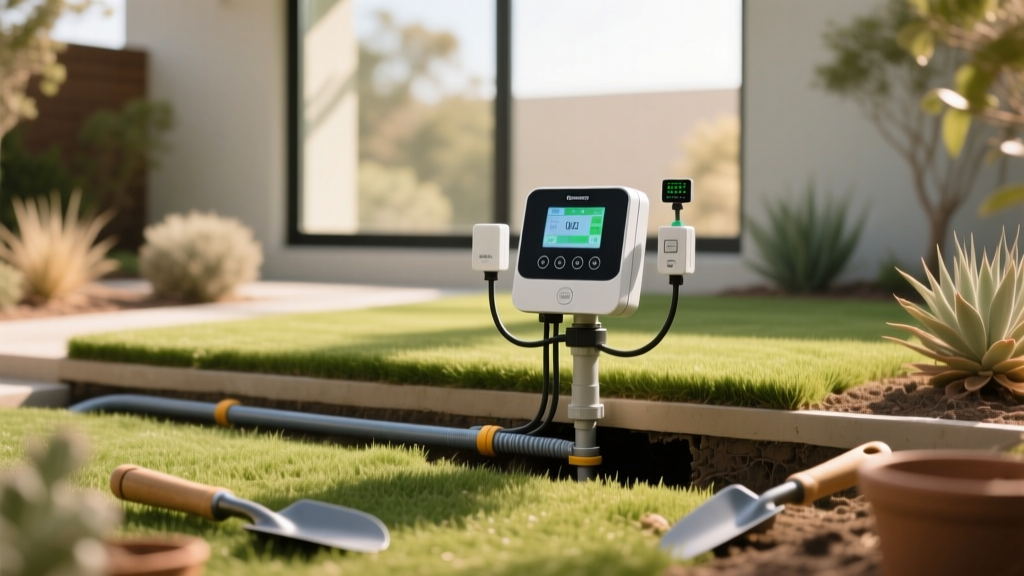
Smart Irrigation System Costs and Water Savings ROI Guide
Lisa ThompsonPublished
Bridging Smart Home Technology and Outdoor Landscaping
As homeowners increasingly look to bridge the gap between indoor smart home technology and outdoor landscape maintenance, the demand for energy-efficient landscaping solutions has skyrocketed. One of the most impactful upgrades you can make to your property is installing a smart irrigation system. Traditional sprinkler timers operate on rigid, pre-set schedules that ignore real-time weather conditions, often leading to overwatering, runoff, and inflated utility bills. In contrast, smart irrigation systems leverage Wi-Fi connectivity, local weather data, and soil moisture sensors to deliver the exact amount of water your lawn and garden need, precisely when they need it.
However, before making the leap, it is essential to understand the financial commitment involved. This comprehensive pricing guide breaks down the costs of smart irrigation systems, explores the variables that influence your final bill, and calculates the true return on investment (ROI) through water savings and utility rebates.
How Smart Irrigation Controllers Work
At the heart of any smart irrigation setup is the controller. Unlike legacy mechanical timers, smart controllers connect to your home's Wi-Fi network and communicate with cloud-based weather services. According to the EPA WaterSense program, the average American family uses more than 300 gallons of water per day, with roughly 30% dedicated to outdoor uses. By replacing a standard clock timer with a smart controller, homeowners can eliminate the guesswork from lawn care.
These devices automatically adjust watering schedules based on evapotranspiration (ET) rates, recent rainfall, freezing temperatures, and high wind conditions. Furthermore, they allow you to manage your outdoor watering directly from your smartphone, integrating seamlessly with broader smart home ecosystems like Amazon Alexa, Google Home, and Apple HomeKit.
Types of Smart Irrigation Systems
When budgeting for your upgrade, you will generally choose between two primary types of smart controllers:
- Weather-Based (ET) Controllers: These use local weather station data to adjust schedules. They are the most common, easiest to install, and generally more affordable. They are ideal for homeowners looking for a plug-and-play upgrade to their existing sprinkler valves.
- Soil Moisture Sensor Controllers: These systems rely on physical sensors buried in the root zones of your lawn or garden beds. They measure the actual volumetric water content in the soil and only trigger irrigation when moisture drops below a specific threshold. While more expensive and complex to install, they offer unparalleled precision, especially for gardens with mixed plant types or varying shade patterns.
Comprehensive Smart Irrigation Cost Breakdown
The total cost of upgrading to a smart irrigation system depends on whether you are retrofitting an existing sprinkler system or installing a brand-new one from scratch. Below is a detailed pricing table outlining the average costs for components and labor.
| Component / Service | Average Cost Range | Description |
|---|---|---|
| Basic Wi-Fi Controller (4-8 Zones) | $130 - $200 | Entry-level smart controllers (e.g., Orbit B-hyve, Wyze) |
| Premium Wi-Fi Controller (8-16+ Zones) | $200 - $350 | Advanced models with flow meters (e.g., Rachio 3, Hunter Hydrawise) |
| Soil Moisture Sensors (Per Zone) | $40 - $80 each | Physical probes buried in the soil for precise moisture reading |
| Smart Sprinkler Valves | $30 - $60 each | Required if replacing old, incompatible manual valves |
| Professional Installation (Retrofit) | $150 - $300 | Labor to swap out an old timer and wire the new smart unit |
| Full System Installation (New) | $2,500 - $4,500+ | Trenching, piping, wiring, smart controller, and sprinkler heads |
Note: If you already have a functioning traditional sprinkler system, you will only need to budget for the controller and a potential retrofit labor fee, keeping your total upgrade cost between $150 and $400.
Key Factors Influencing Your Total Cost
Several property-specific variables will push your project toward the higher or lower end of the pricing spectrum:
1. Number of Irrigation Zones
Controllers are priced based on their zone capacity. A small urban lawn may only require a 4-zone or 6-zone controller, while expansive suburban properties with separate zones for turf, flower beds, drip irrigation, and vegetable gardens may require a 16-zone or even a multi-controller commercial setup.
2. Existing Wiring and Compatibility
If you are retrofitting, the condition of your existing low-voltage wiring matters. If the wires are degraded, chewed by rodents, or improperly labeled, a professional will need to spend extra time troubleshooting and potentially pulling new wire, increasing labor costs.
3. Addition of Flow Meters and Master Valves
Premium smart systems can be paired with a physical flow meter installed on your main water line. This allows the app to monitor exact water usage in real-time and automatically shut off the system if a pipe breaks or a sprinkler head is sheared off by a lawnmower. Adding a flow meter and master valve can increase hardware and installation costs by $200 to $400.
Calculating the ROI: Water Savings and Utility Rebates
While the upfront cost of a premium smart controller might seem steep compared to a $30 mechanical dial timer, the return on investment is where these devices truly shine. The EPA notes that upgrading to a WaterSense labeled smart irrigation controller can save an average home nearly 7,600 gallons of water annually. In regions with high water costs or tiered utility pricing, this translates to significant monthly savings.
The Payback Period
Consider a homeowner in a drought-prone region who spends $120 per month on water during the peak summer season. By eliminating overwatering and skipping cycles after rain events, a smart controller can reduce outdoor water consumption by 20% to 30%. This yields a savings of $24 to $36 per month, or roughly $120 to $180 over a five-month watering season. A $250 premium smart controller will effectively pay for itself in just one to two seasons.
Utility Rebates and Incentives
Because municipal water treatment and distribution require massive amounts of energy, local water districts heavily incentivize conservation. Many municipalities and water providers offer rebates ranging from $50 to $150 for purchasing an EPA WaterSense-certified smart controller. In some cases, the rebate covers the entire cost of the hardware. Always check with your local water provider or consult the U.S. Department of Energy's efficient landscaping resources to find regional incentive programs before purchasing your equipment.
Smart Home Integration and App Features
Modern lawn care is no longer confined to the garage wall. Smart irrigation systems bridge outdoor maintenance with your indoor smart home hub. Key features that add immense value to your home include:
- Geofencing: Some systems can detect when you are away on vacation and automatically adjust watering to comply with local drought restrictions without you lifting a finger.
- IFTTT Routines: Integrate your sprinklers with other smart devices. For example, you can create a routine that turns on your smart outdoor lighting and starts the drip irrigation simultaneously at dusk.
- Freeze and Wind Skip: The system will automatically pause scheduled watering if local weather stations report high winds (which cause uneven water distribution) or freezing temperatures (which can create dangerous ice hazards on walkways).
DIY vs. Professional Installation
DIY Installation: If you are simply replacing an old indoor or outdoor timer with a new smart controller, this is a highly manageable DIY project. Most modern controllers feature push-in wiring terminals and step-by-step app-based setup wizards that take the guesswork out of matching low-voltage wires to zone ports. A DIY retrofit will cost you only the price of the hardware ($150 - $300).
Professional Installation: You should hire a licensed irrigation specialist if your system requires a new outdoor weatherproof enclosure, if you are adding soil moisture sensors that require trenching and burying wires, or if you are installing a flow meter on your main PVC water line. Professional labor rates typically range from $75 to $125 per hour.
Conclusion
Investing in a smart irrigation system is one of the most effective ways to modernize your home's exterior, conserve vital natural resources, and lower your monthly utility overhead. While the initial hardware cost for a premium Wi-Fi controller ranges from $200 to $350, the combination of drastic water savings, utility rebates, and the sheer convenience of app-based management ensures a rapid return on investment. Whether you are cultivating a delicate garden-to-table vegetable patch or maintaining a sprawling turf lawn, smart irrigation technology ensures your landscape receives precise, efficient, and intelligent care all year round.
