Home & Garden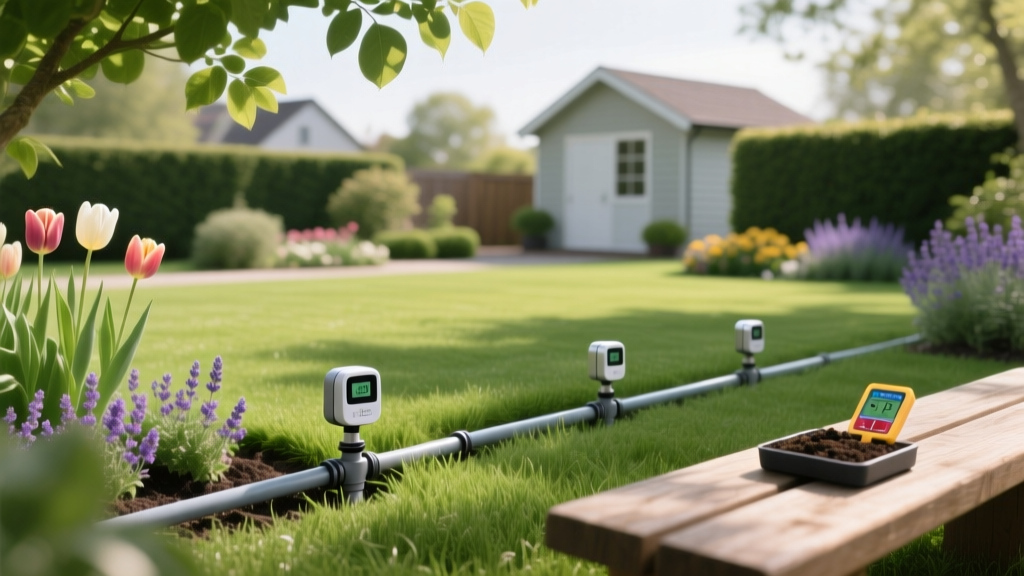
Smart Lawn Care Schedule: Seasonal Irrigation & Maintenance
Sarah ChenPublished
Bridging the Gap: Smart Home Tech Meets Traditional Lawn Care
The modern home seamlessly blends indoor comfort with outdoor beauty, and nowhere is this more apparent than in the evolution of lawn care. Gone are the days of manually twisting hose bibs and guessing when your grass has had enough water. Today, bridging the gap between indoor smart home ecosystems and outdoor landscaping requires a strategic, data-driven approach. By integrating smart irrigation technology with a disciplined seasonal maintenance schedule, homeowners can achieve a lush, vibrant yard while simultaneously conserving water and protecting local ecosystems.
According to the Environmental Protection Agency (EPA), the average American family uses 320 gallons of water per day, with nearly 30% dedicated to outdoor uses. In arid climates, this number can skyrocket to 60%. Transitioning to a smart lawn care schedule not only reduces your water bill but also ensures your garden-to-table vegetable beds, energy-efficient shade trees, and outdoor living spaces receive the precise care they need, exactly when they need it.
The Foundation: Smart Controllers and Soil Health
Before diving into the seasonal checklist, it is crucial to establish a baseline. The cornerstone of any modern lawn care schedule is a Wi-Fi-enabled smart irrigation controller. Devices like the Rachio 3, Orbit B-hyve, or Hunter Hydrawise connect to your home network and pull real-time hyper-local weather data. They adjust watering schedules based on evapotranspiration (ET) rates, soil type, and sun exposure.
Pair your smart controller with a soil moisture sensor. While weather data is excellent, soil sensors provide ground-truth data, preventing the system from watering if the ground is already saturated. This DIY garden project typically costs between $50 and $150 and can save thousands of gallons of water annually. Furthermore, consider the aesthetic integration of your outdoor technology. Modern smart controllers can be mounted discreetly in the garage or integrated into weatherproof outdoor enclosures that blend with your exterior decor. Ensure your irrigation zones are properly mapped: separate your turfgrass from your garden-to-table raised beds and flower borders, as each requires vastly different watering depths and frequencies.
Spring Checklist: Calibration and Awakening
Spring is about waking up your lawn and calibrating your technology after the winter freeze. As soil temperatures consistently reach 55°F, your turf will break dormancy.
- Audit and Flush: Inspect all sprinkler heads for damage from winter frost. Flush the lines to clear out debris and check for leaks that could undermine your hardscaping or outdoor furniture zones.
- Soil Testing: Purchase a comprehensive soil test kit ($30-$50) from your local university extension office. This will dictate your spring fertilizer regimen, ensuring you only apply the nutrients your soil actually lacks.
- Smart Controller Setup: Update your smart controller's zone parameters. Input the specific grass type (e.g., Kentucky Bluegrass, Bermuda, or Fescue), soil type (clay, loam, or sand), and shade levels for each zone.
- Pre-Emergent Application: Apply a pre-emergent herbicide when soil temperatures hit 55°F to prevent crabgrass. Water it in according to the product label, using your smart controller's manual override feature.
Summer Checklist: Peak Efficiency and Drought Management
Summer stresses your lawn with high heat and potential drought. The goal is deep, infrequent watering to encourage roots to grow down to 6 inches, making the turf more resilient.
- Implement Cycle and Soak: If you have clay soil or sloped terrain, program your smart controller to use the 'cycle and soak' method. This splits the watering time into shorter intervals (e.g., three 5-minute cycles with an hour between each) to prevent runoff and protect your nearby garden-to-table beds from erosion.
- Monitor ET Data: Let your EPA WaterSense certified smart controller handle the heavy lifting. These devices automatically skip watering when rain is forecasted and increase runtimes during heatwaves.
- Mow High: Raise your mower deck to 3.5 or 4 inches. Taller grass shades the soil, reducing evaporation and outcompeting weeds.
- Protect Outdoor Living Zones: Adjust spray patterns to ensure water is not hitting your outdoor furniture, wooden decks, or stone patios, which can lead to mold, mildew, and premature material degradation.
- Manage Culinary Herbs: Keep an eye on your garden-to-table culinary herbs. Mediterranean herbs like rosemary and thyme prefer drier conditions and will suffer from root rot if subjected to the same heavy watering schedule as your turfgrass. Use your smart controller's independent zone scheduling to keep these culinary delights thriving.
Fall Checklist: Recovery and Energy-Efficient Landscaping
Fall is the most critical season for cool-season grasses. It is the time to repair summer damage and prepare your landscape for winter.
- Core Aeration and Overseeding: Rent a core aerator to relieve soil compaction. Immediately follow up with overseeding. Program your smart controller for frequent, short watering cycles (e.g., 5 minutes, three times a day) to keep the new seed moist until germination.
- Fertilize for the Winter: Apply a winterizer fertilizer high in potassium to strengthen root systems against freezing temperatures.
- Maintain Energy-Efficient Landscaping: According to the U.S. Department of Energy, strategically placed trees and shrubs can reduce home cooling costs by up to 25% in the summer and heating costs in the winter. Ensure your drip irrigation zones targeting these vital shade trees are functioning correctly before winter sets in.
- Optimize Outdoor Lighting: Fall is also the ideal time to evaluate your outdoor lighting. As days grow shorter, ensure your smart landscape lighting is synced with local sunset times, providing safe illumination for your walkways and patio spaces without wasting electricity.
- Winterize the System: Before the first hard freeze, shut off the main water supply to your irrigation system and use an air compressor to blow out the lines, preventing catastrophic pipe bursts.
Winter Checklist: System Audits and Indoor-Outdoor Planning
While the lawn sleeps, the smart homeowner plans. Winter is the perfect time to bridge your indoor and outdoor living spaces through design and system upgrades.
- Data Review: Access your smart controller's mobile app to review the previous year's water usage reports. Identify zones that consistently overwatered or underwatered and plan for hardware adjustments.
- Upgrade to Drip Irrigation: Plan a DIY project to convert your shrub and vegetable garden zones to drip irrigation. Drip systems deliver water directly to the root zone with 90% efficiency, compared to the 65% efficiency of traditional spray heads.
- Tool Maintenance: Sharpen mower blades, clean air filters, and inventory your soil amendments so you are ready the moment spring arrives.
Seasonal Smart Lawn Care Matrix
The following table provides a quick-reference guide for aligning your smart home irrigation settings with traditional lawn care tasks throughout the year.
| Season | Primary Grass Focus | Smart Controller Setting | Key Landscape Task | Garden-to-Table Integration |
|---|---|---|---|---|
| Spring | Cool-Season Awakening | Weather-based baseline; 1 inch/week | Soil testing & Pre-emergent | Prepare raised beds; test drip lines |
| Summer | Deep Root Hydration | Cycle & Soak; ET-driven adjustments | High mowing; drought monitoring | Mulch vegetable beds to retain moisture |
| Fall | Repair & Root Storage | Frequent/Short for seed; taper off | Aeration & Overseeding | Plant cool-weather crops (garlic, kale) |
| Winter | Dormancy & Protection | System OFF; Winterized | Blow-out lines; Audit water data | Plan spring crop rotation & soil amendments |
Pro Tip: Integrate your smart irrigation controller with your indoor smart home ecosystem. For example, you can set an IFTTT routine or use native Alexa/Google Home integrations to receive a voice alert in your kitchen if your smart controller detects a broken pipe or a zone that is drawing too much water, allowing you to stop the leak before it damages your property.
Conclusion
Mastering your lawn care schedule is no longer just about setting a mechanical timer and hoping for the best. By embracing smart home integration, understanding the seasonal needs of your specific turf, and aligning your irrigation with broader goals like energy-efficient landscaping and garden-to-table sustainability, you transform your yard into a high-performing extension of your home. Stick to this checklist, leverage the data provided by your smart controllers, and enjoy a beautiful, resilient landscape year-round.
