Home & Garden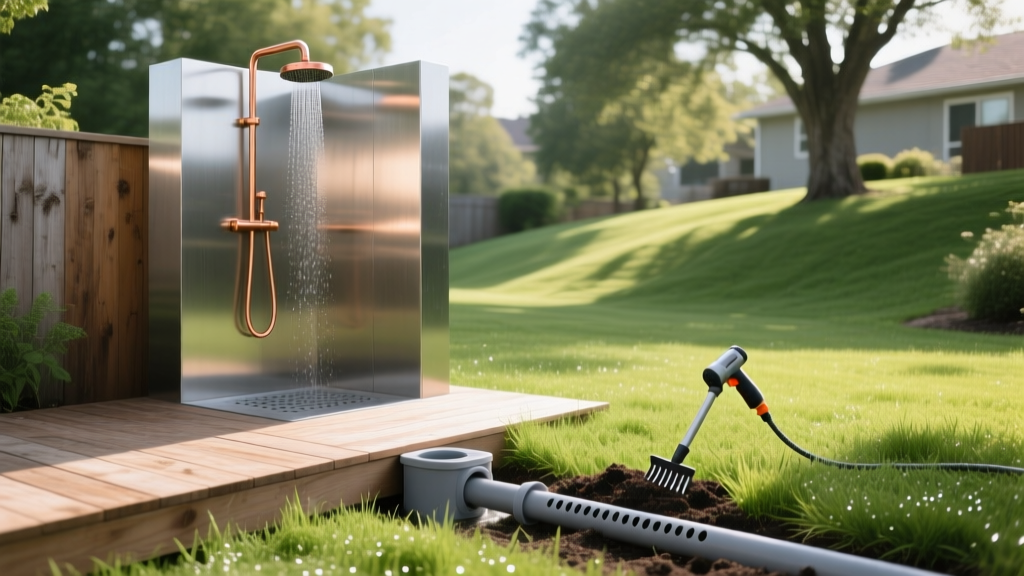
2026 Solar Outdoor Shower Install & Lawn Aeration Guide
Mike RodriguezPublished
The Rise of the Solar-Heated Outdoor Enclosure in 2026
As we navigate the landscaping trends of 2026, the boundary between indoor luxury and outdoor living continues to blur. One of the most highly sought-after landscape upgrades this year is the outdoor shower installation featuring a solar-heated enclosure. Homeowners are increasingly turning away from grid-dependent electric water heaters in favor of passive solar thermal enclosures. These modern setups utilize advanced EVA (Ethylene Vinyl Acetate) solar tubing integrated directly into the cedar or composite privacy walls, absorbing ambient UV rays to heat water naturally without requiring a single watt of electricity.
While the environmental benefits and aesthetic appeal of these solar-heated enclosures are undeniable, they introduce a unique set of challenges for your lawn. The combination of daily foot traffic, concentrated water runoff, and the introduction of soapy greywater can devastate an unprepared turfgrass ecosystem. To successfully integrate an outdoor shower into your garden, you must approach the project from an aeration and seeding perspective, ensuring the soil structure and grass varieties can handle the unique microclimate created by your new shower.
The Hidden Lawn Killers: Compaction and Greywater
When you install an outdoor shower directly onto a grassy surface or a minimal gravel pad, the surrounding turf takes a massive hit. The primary culprit is soil compaction. Stepping in and out of the shower enclosure daily, often with wet, heavy feet, compresses the soil particles in the shower zone. According to turfgrass experts at the University of Minnesota Extension, compacted soil loses its pore space, effectively suffocating grass roots by cutting off their oxygen supply and preventing water infiltration. Paradoxically, while the soil becomes hard and impermeable, the immediate surface is constantly bombarded with shower runoff.
This brings us to the second threat: greywater accumulation. Even if you are using 2026-certified biodegradable, plant-friendly soaps, the continuous influx of water alters the soil's pH balance and washes away essential nitrogen. The constant moisture creates a breeding ground for fungal pathogens like Pythium blight, while the lack of oxygen due to compaction drowns the roots. Without a strategic aeration and seeding plan, the area immediately surrounding your beautiful new solar shower will quickly turn into a muddy, barren wasteland.
Core Aeration Strategies for Shower Zones
To combat the severe compaction caused by high-traffic shower zones, standard lawn maintenance is not enough. You must implement a targeted aeration strategy specifically designed for the perimeter of your outdoor enclosure.
Deep Core Aeration vs. Liquid Aeration
For the heavy-traffic entry and exit points of your shower, mechanical core aeration is mandatory. Using a stand-on or walk-behind core aerator, pull 3-inch deep plugs from the soil in a 5-foot radius around the enclosure. This physically removes cylinders of compacted dirt, allowing the soil to expand and breathe. While liquid aeration products (which use surfactants to break surface tension) have gained popularity in 2026 for general lawn care, they are insufficient for the severe, localized compaction caused by daily human foot traffic in a shower zone.
Topdressing with Compost
Immediately after core aeration, topdress the shower perimeter with a quarter-inch layer of finely screened organic compost. The compost will fall into the aeration holes, improving the soil structure, introducing beneficial microbes that can help break down mild soap residues, and creating a hospitable bed for new grass seed.
Selecting Greywater-Tolerant Grass Seed
Not all grass species can survive the dual assault of physical trampling and alkaline greywater runoff. When overseeding the shower zone, you must select a seed blend engineered for high traffic and moderate salt/soap tolerance. The Texas A&M AgriLife Extension notes that while greywater is an excellent conservation tool, plant selection is critical to prevent sodium buildup from damaging root systems.
Below is a comparison chart of the best turfgrass varieties for outdoor shower perimeters in 2026:
| Grass Type | Greywater Tolerance | Traffic Resistance | Best Climate Zone |
|---|---|---|---|
| Hybrid Bermuda | High | Excellent | Warm-Season / Southern |
| Zoysia (Palisades) | Moderate-High | Very Good | Transition / Warm |
| Tall Fescue (TTTF) | Moderate | Good | Cool-Season / Northern |
| Buffalo Grass | High | Moderate | Arid / Drought-Prone |
For northern climates, a Turf-Type Tall Fescue (TTTF) blend is your best option due to its deep root system, which helps it access clean water below the greywater saturation zone. For southern and transition zones, Zoysia and Hybrid Bermuda offer the aggressive rhizomatic growth required to recover from daily foot traffic.
Drainage Solutions to Protect New Seed
Even the most resilient grass seed will rot if left sitting in two inches of soapy water. To protect your newly aerated and seeded lawn, you must integrate a passive drainage system into your solar shower installation.
- The French Drain Perimeter: Dig a trench 12 inches wide and 18 inches deep directly beneath the shower floor grating. Fill the bottom with washed river rock and lay a perforated PVC pipe wrapped in landscaping fabric. This will capture the bulk of the greywater and route it away from the seeded lawn into a designated dry well or rain garden.
- Gravel Splash Margins: Extend a 2-foot wide margin of decorative pea gravel outward from the enclosure walls. This catches the initial splash and high-velocity water droplets, preventing the physical displacement of your newly sown grass seed and topsoil.
- Elevated Teak or Composite Mats: Place interlocking, elevated drainage mats in the primary standing zone. This keeps the user's feet above the soil, distributing weight more evenly and drastically reducing the localized soil compaction that necessitates frequent aeration.
Step-by-Step 2026 Installation & Seeding Timeline
To ensure your lawn thrives alongside your new solar-heated enclosure, follow this seasonal timeline tailored for the current year's climate patterns and turfgrass science.
Phase 1: Pre-Installation Hardscaping (Early Spring)
Before the shower enclosure is erected, excavate the area for your French drain and gravel margins. Install the drainage pipe and fill with gravel. This prevents you from having to dig up newly established grass later in the season.
Phase 2: Enclosure Setup and Soil Prep (Mid-Spring)
Assemble your solar-heated enclosure, ensuring the integrated EVA solar panels face true south for maximum thermal efficiency. Once the structure is secure, perform your deep core aeration on the surrounding 5-foot perimeter. Remove the plugs and apply your compost topdressing.
Phase 3: Seeding and Germination (Late Spring / Early Fall)
Sow your chosen greywater-tolerant grass seed at a rate of 6 to 8 pounds per 1,000 square feet. Use a starter fertilizer that is low in nitrogen but high in phosphorus to encourage rapid root development. Water the seed lightly with fresh, clean water (not shower greywater) three times a day until germination occurs.
Phase 4: The First Flush and Maintenance (Ongoing)
Once the grass is established, you can begin using the shower. To maintain soil health, the EPA WaterSense program recommends periodically flushing greywater-irrigated soils with fresh rainwater or hose water to prevent salt accumulation. Plan to perform a secondary core aeration in the fall to relieve any summer compaction, keeping your outdoor oasis green, lush, and perfectly integrated into your landscape.
