Home & Garden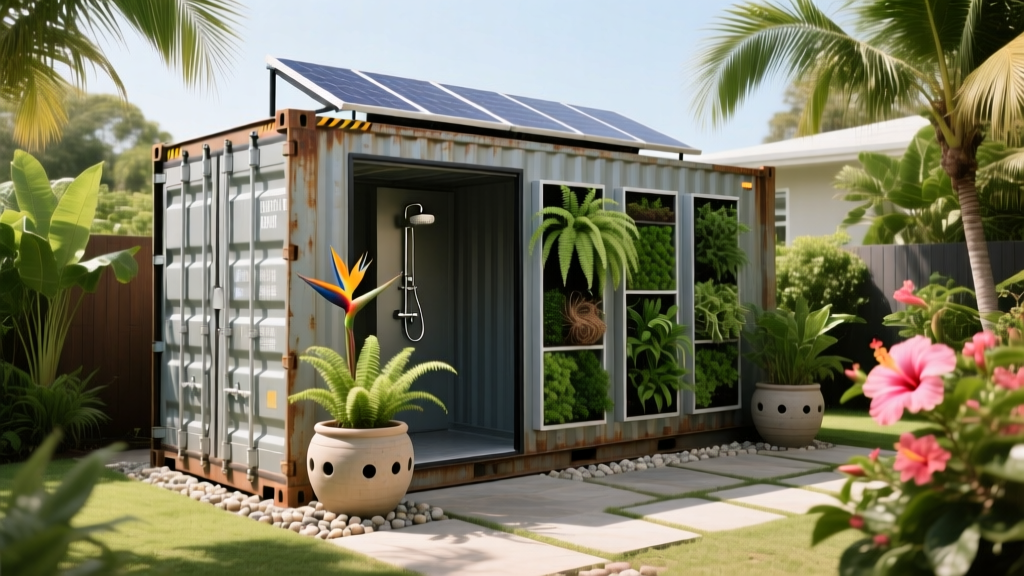
2026 Solar Outdoor Showers: Container Privacy Enclosures
Lisa ThompsonPublished
The Intersection of Solar Bathing and Container Gardening
In 2026, the boundaries between hardscaping, home plumbing, and horticulture have beautifully blurred. One of the most exciting trends in outdoor living is the integration of solar-heated outdoor showers with living container garden enclosures. Rather than building a static, expensive wooden fence or a masonry wall to create privacy, homeowners and landscape designers are turning to oversized planters and strategic container gardening to cultivate lush, tropical privacy screens. This approach not only provides a secluded, spa-like bathing experience but also transforms a utilitarian backyard fixture into a vibrant, living oasis.
From the perspective of container gardening, an outdoor shower presents a unique microclimate. The constant splashing, elevated humidity, and ambient warmth from solar-heated fixtures create an ideal environment for moisture-loving tropicals and semi-tropical perennials. By carefully selecting the right pots, soil mixes, and plant species, you can create a self-sustaining green enclosure that thrives on the shower's runoff while providing total privacy. This guide will walk you through the mechanics of modern solar showers, the best container strategies for wet zones, and how to manage water runoff intelligently in your 2026 landscape.
Choosing the Right 2026 Solar-Heated Shower System
Modern solar showers have evolved significantly from the simple black PVC pipes of the past. The latest 2026 models utilize advanced UV-stabilized HDPE (High-Density Polyethylene) polymers and integrated thermal-absorption fins that heat water rapidly, even on partially cloudy days. When designing a container-based enclosure, the physical footprint and aesthetic of the shower tower are paramount. You want a system that blends seamlessly with your planters or serves as a striking focal point amidst the foliage.
Most premium solar showers in 2026 feature built-in mixing valves, allowing you to connect a standard garden hose and adjust the temperature using a secondary cold-water feed. Some high-end models even include smart-flow technology that pauses water delivery when no motion is detected, conserving water while you lather up. When positioning your shower, ensure it receives at least six to eight hours of direct, unfiltered sunlight to maximize the thermal efficiency of the solar reservoir column.
| Shower Type | Material | Heat Retention | Aesthetic Fit for Containers | 2026 Avg. Cost |
|---|---|---|---|---|
| Monolithic Polymer Tower | UV-Stabilized HDPE | Excellent (Holds heat post-sunset) | Sleek, modern, mimics dark stone | $450 - $800 |
| Cedar-Wrapped Solar Column | Aluminum core, Cedar shell | Moderate (Wood insulates core) | Rustic, blends with terracotta/wood pots | $900 - $1,400 |
| Flexible Hose & Stand | Silicone & Powder-coated Steel | Poor (Rapid heat loss) | Minimalist, easily hidden by tall ferns | $150 - $300 |
Designing Your Container Privacy Enclosure
The success of a living privacy screen relies on the scale and placement of your containers. To block sightlines from neighbors or the street, you need a layered approach using pots of varying heights and diameters. A U-shaped or L-shaped arrangement around the shower base works best, leaving the rear open for drainage or a subtle gravel pathway.
Selecting the Best Planters for Wet Zones
Not all pots are created equal, especially in an environment that will be subjected to daily drenching, chlorinated or saltwater splashes, and nutrient-rich soap runoff. In 2026, the top choices for shower enclosures include:
- Corten Steel Planters: These develop a beautiful, protective rust patina that contrasts stunningly with bright green tropical foliage. They are incredibly durable, heavy enough to resist wind, and their dark color absorbs ambient heat, keeping the root zones warm during cooler evenings.
- Fiberglass & Resin Composites: Lightweight and frost-resistant, modern resin planters can be molded to look like carved stone or woven wicker. They are non-porous, meaning they won't absorb soapy water or degrade from constant moisture exposure.
- Glazed Ceramic Urns: For a more traditional or Mediterranean garden aesthetic, large glazed ceramic pots offer excellent water retention and a brilliant pop of color. Ensure they have adequate drainage holes to prevent root rot.
Avoid unsealed terracotta or porous clay pots directly in the splash zone, as the constant wet-dry cycle and mineral deposits from hard water will cause them to spall and crack within a single season.
Top Moisture-Loving Tropicals for Shower Pots
To create a dense, jungle-like enclosure, select plants that naturally thrive in high-humidity, high-moisture environments. Here are the top performers for 2026 container shower gardens:
- Elephant Ears (Colocasia esculenta): With their massive, heart-shaped leaves, these provide instant, dramatic privacy. They thrive in wet soil and can easily reach 5 to 6 feet tall in a single season when planted in 24-inch wide containers.
- Hardy Bananas (Musa basjoo): Fast-growing and architectural, hardy bananas love the extra water from shower runoff. Plant them in heavy, half-barrel-sized planters to prevent them from toppling in the wind.
- Boston Ferns (Nephrolepis exaltata): Perfect for the inner ring of your enclosure or hanging baskets suspended from a pergola above the shower. They love the ambient humidity and dappled shade created by the taller plants.
- Canna Lilies (Canna indica): Offering both striking foliage and vibrant blooms, cannas are water-hungry plants that will happily grow in the damp conditions surrounding your shower base.
- Horsetail Rush (Equisetum hyemale): For a modern, minimalist privacy screen, plant horsetail rush in tall, narrow, rectangular trough planters. It grows vertically, creating a dense, bamboo-like wall without the invasive root risks of running bamboo.
Managing Runoff with Container Bog Gardens
An outdoor shower can use anywhere from 10 to 20 gallons of water per use. Managing this runoff is critical to preventing soil erosion, patio flooding, and foundation damage. According to guidelines from EPA WaterSense, optimizing outdoor water use and managing runoff locally is a cornerstone of sustainable landscaping. Instead of letting shower water pool on your deck, channel it into a dedicated drainage system or a container-based bog garden.
A container bog garden is a brilliant way to utilize the greywater from your shower. By using a large, shallow, watertight trough planter (such as a galvanized steel stock tank) filled with a peat-and-sand mixture, you can cultivate carnivorous plants, water irises, and moisture-loving sedges. Position the shower base on a slight elevation or a permeable gravel pad, and use a subtle French drain pipe to route the excess water directly into the bog container. This not only solves your drainage problem but also creates a secondary, fascinating horticultural feature in your yard.
When using soaps and shampoos in your outdoor shower, always opt for 100% biodegradable, phosphate-free, and eco-friendly products. This ensures that the water reaching your container bog garden or the surrounding landscape remains safe for plant life and local groundwater systems. For more on managing yard runoff and protecting local waterways, resources from institutions like the University of Minnesota Extension provide excellent frameworks for residential water management.
Step-by-Step Installation and Arrangement
- Site Preparation: Choose a level, south-facing spot that receives ample sunlight. Lay down a 4-inch base of crushed gravel to ensure rapid drainage and prevent mud from splashing onto your plants and shower tower.
- Plumbing the Shower: Connect your solar shower to a frost-free sillcock. In 2026, many homeowners are installing smart-water timers on their outdoor spigots to monitor usage and detect leaks via smartphone apps.
- Anchor the Tower: Solar showers become top-heavy when their reservoirs are full of water. Use the included flange to bolt the shower securely into a concrete footing or a heavy, reinforced wooden deck block hidden beneath the gravel.
- Position the Planters: Arrange your largest pots (30+ inches) on the outer perimeter to block the primary sightlines. Place medium-sized pots (18-24 inches) closer to the shower to catch the direct splashes.
- Soil and Planting: Fill your containers with a moisture-retentive potting mix. A blend of 60% high-quality potting soil, 20% coco coir (for water retention), and 20% perlite (for aeration) is ideal for tropical shower plants.
- Mulching: Top the soil in your containers with a layer of river rock or decorative pebbles. This prevents the soil from splashing out of the pots when hit by the shower spray and adds a polished, spa-like finish.
Winterizing Your Solar Shower and Container Oasis
As the growing season ends, proper winterization is essential to protect your investment. Solar showers must be completely drained before the first freeze. Disconnect the hose, open the mixing valve, and tilt the tower to empty the internal reservoir. Any trapped water will expand and crack the polymer or aluminum columns when temperatures drop below freezing.
For your container enclosure, the strategy depends on your climate zone. Tropicals like Elephant Ears and Canna Lilies should be cut back after the first frost. You can either move the pots into a frost-free garage or dig up the tubers, dry them, and store them in peat moss for the winter. Hardy perennials like Horsetail Rush can remain in their pots, but it is wise to wrap the containers in bubble insulation or burlap to protect the roots from deep freezes, as containerized plants are far more susceptible to cold damage than those planted directly in the earth. By treating your outdoor shower and its living enclosure as a unified, seasonal ecosystem, you ensure that your private, solar-heated oasis remains lush, functional, and breathtaking year after year.
