Home & Garden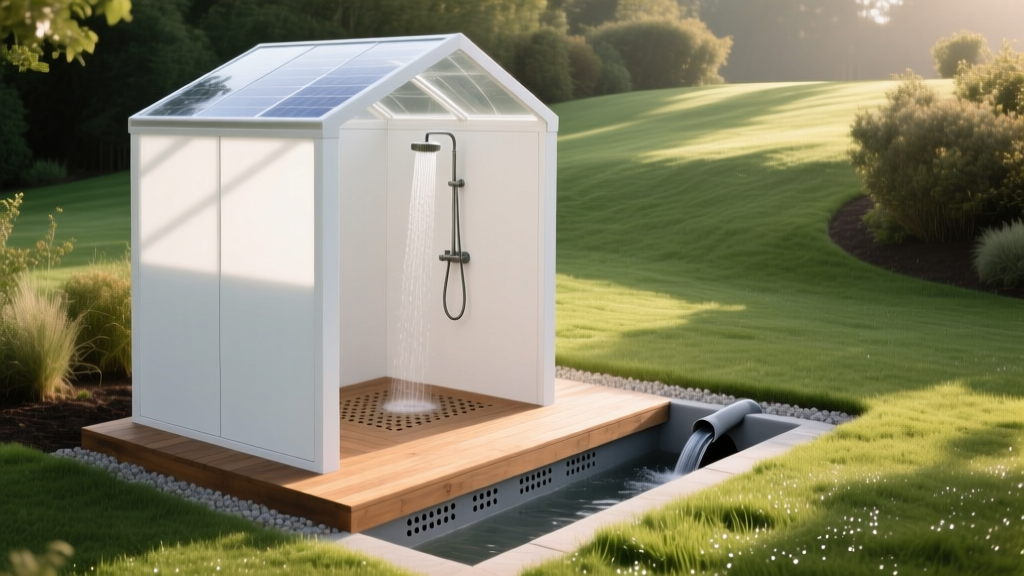
2026 Solar Outdoor Shower Install: Core Aeration & Drainage
Emily WatsonPublished
The Rise of the Solar-Heated Outdoor Shower in 2026
As homeowners continue to blur the lines between indoor luxury and outdoor living in 2026, the solar-heated outdoor shower enclosure has emerged as a premier landscape upgrade. Modern passive solar thermal panels and advanced polymer heating mats now allow for hot, off-grid showers without the need for complex plumbing or electrical hookups. According to the U.S. Department of Energy, integrating solar water heating into outdoor structures is one of the most energy-efficient landscaping trends of the decade, significantly reducing the carbon footprint of residential water heating.
However, while the visual appeal and eco-friendly nature of a cedar-framed solar shower are undeniable, the construction process and subsequent daily use introduce a severe, often overlooked threat to your surrounding landscape: soil compaction and greywater pooling. This is where the lawn care practice of core aeration becomes an indispensable part of your outdoor construction and maintenance strategy.
The Hidden Cost: Soil Compaction and Drainage Failures
Building an outdoor shower enclosure requires staging heavy materials. Lumber, stone pavers, solar thermal collectors, and bags of gravel are routinely dragged across the turf or piled onto the soil for days or weeks. Furthermore, once the shower is operational, the immediate surrounding area becomes a high-traffic zone. Wet feet, dropped towels, and daily pacing create a relentless pattern of foot traffic.
This combination of heavy static loads and repetitive dynamic traffic crushes the soil structure, collapsing the vital pore spaces between soil particles. When soil becomes compacted, it forms an impermeable crust. For an outdoor shower, this is disastrous. The greywater—runoff from your shower—has nowhere to go. Instead of percolating safely into the earth, the water pools around the base of your enclosure, creating a muddy, mosquito-breeding swamp that will quickly rot your wooden shower floor and kill the surrounding grass.
Core Aeration: The Landscaper’s Secret to Perfect Drainage
To combat the impermeable layer of compacted earth, core aeration is the most effective, scientifically backed solution. Unlike spike aeration, which merely pokes holes and can actually worsen compaction by pressing soil outward, core aeration uses hollow tines to physically extract plugs of soil from the ground.
Turfgrass experts at Penn State Extension note that removing these cores (typically 2 to 3 inches deep and 0.5 to 0.75 inches in diameter) immediately relieves soil pressure, opens pathways for oxygen and water, and stimulates deep root growth. For an outdoor shower zone, these extracted channels act as microscopic French drains, allowing greywater to rapidly infiltrate the subsoil rather than pooling on the surface.
Seasonal Timing for Aeration and Construction
If you are planning your solar shower installation in 2026, timing your core aeration correctly is vital for turf survival. The golden rule of aeration is to perform the service when your grass is actively growing, allowing it to quickly recover and fill in the open holes.
- Cool-Season Grasses (Kentucky Bluegrass, Tall Fescue, Perennial Ryegrass): Best aerated in early fall (late August to October) or early spring. If you are building your shower in the spring, aerate the staging area beforehand to prep the soil for drainage, and plan a heavy post-construction aeration in the fall to repair the damage.
- Warm-Season Grasses (Bermuda, Zoysia, Centipede): Best aerated in late spring to early summer (May through July) when the turf is aggressively expanding. Schedule your shower build for early spring, and follow up with aeration once the summer heat triggers peak growth.
Step-by-Step: Integrating Aeration with Your Shower Build
To ensure your lawn survives the installation and thrives alongside your new solar enclosure, follow this integrated timeline:
Phase 1: Pre-Installation Prep
- Map the Traffic Zone: Identify not just the footprint of the shower, but the pathway from your back door to the enclosure. This entire corridor will suffer compaction.
- Initial Aeration: Two weeks before materials arrive, core aerate the entire staging and traffic zone.
- Topdress with Compost: Sweep a high-quality, screened organic compost into the aeration holes. This improves the soil's water-holding capacity and introduces microbes that will help break down organic greywater residues later on.
Phase 2: Post-Installation Recovery
- Clear Debris: Once the solar shower is built, remove all leftover construction materials, sawdust, and gravel from the turf.
- Deep Core Aeration: Rent or purchase a heavy-duty core aerator and make two overlapping passes over the compacted traffic zones. Ensure the tines are penetrating at least 3 inches deep.
- Leave the Plugs: Do not rake up the soil cores. Let them dry and naturally break down over the next two weeks, returning vital microorganisms to the surface.
- Overseed and Fertilize: Apply a starter fertilizer and overseed with a durable, moisture-tolerant grass variety to repair any bare spots caused by construction.
2026 Aeration Equipment Comparison
For homeowners tackling the shower zone and surrounding yard, choosing the right equipment is crucial. The 2026 market offers excellent battery-powered alternatives to noisy, gas-guzzling traditional aerators. Below is a comparison of the top methods for residential landscape recovery:
| Aeration Method | Best For | Pros | Cons |
|---|---|---|---|
| Manual Step-on Core Aerator | Small shower footprints & tight corners | Zero emissions, inexpensive, highly maneuverable around enclosure bases. | Labor-intensive, slow, requires significant physical force in clay soils. |
| Battery-Powered Walk-Behind (e.g., EGO Power+ 2026) | Medium to large lawns and extended pathways | Quiet, zero gas fumes, self-propelled, excellent torque for deep plug extraction. | Higher upfront cost, requires battery ecosystem investment. |
| Gas-Powered Walk-Behind | Severely compacted, rocky, or expansive rural properties | Maximum weight and penetration power, easily rented from local hardware stores. | Noisy, heavy, requires engine maintenance, emits exhaust. |
| Tow-Behind Aerator | Large estates with riding mowers or ATVs | Covers massive areas quickly, utilizes existing equipment. | Poor turning radius, cannot get close to the shower enclosure without damaging it. |
Managing Greywater and Turf Recovery
An outdoor shower generates a significant amount of greywater. While core aeration solves the physical drainage issue by opening the soil profile, you must also manage the chemical impact of the runoff. Standard body washes and shampoos contain high levels of sodium, synthetic fragrances, and phosphates that can alter soil pH and burn turfgrass roots.
To protect your newly aerated lawn, exclusively use biodegradable, low-sodium, and phosphate-free soaps in your outdoor shower. Furthermore, the aeration holes provide a direct pathway for these soaps to reach the root zone. To buffer the soil, apply a thin layer of peat moss or acidic compost during your post-aeration topdressing routine. This organic matter acts as a natural filter, binding to excess salts and preventing them from damaging the delicate root hairs of your grass.
If you live in an arid climate where water conservation is paramount, consider routing your shower base drainage into a subterranean French drain lined with river rock and surrounded by aeration-amended soil. This allows the greywater to slowly percolate into the deep root zones of nearby ornamental trees and shrubs, turning your shower runoff into a passive, solar-heated irrigation system.
Final Thoughts
Installing a solar-heated outdoor shower enclosure in 2026 is a brilliant way to embrace sustainable, luxurious outdoor living. However, the success of your landscape depends entirely on what happens beneath the surface. By proactively utilizing core aeration to combat construction-induced soil compaction, you ensure that your greywater drains efficiently, your turf remains vibrant, and your beautiful new cedar enclosure stands on a foundation of healthy, thriving earth. Treat your soil with the same care you put into selecting your solar panels, and your outdoor oasis will remain a pristine retreat for years to come.
