Home & Garden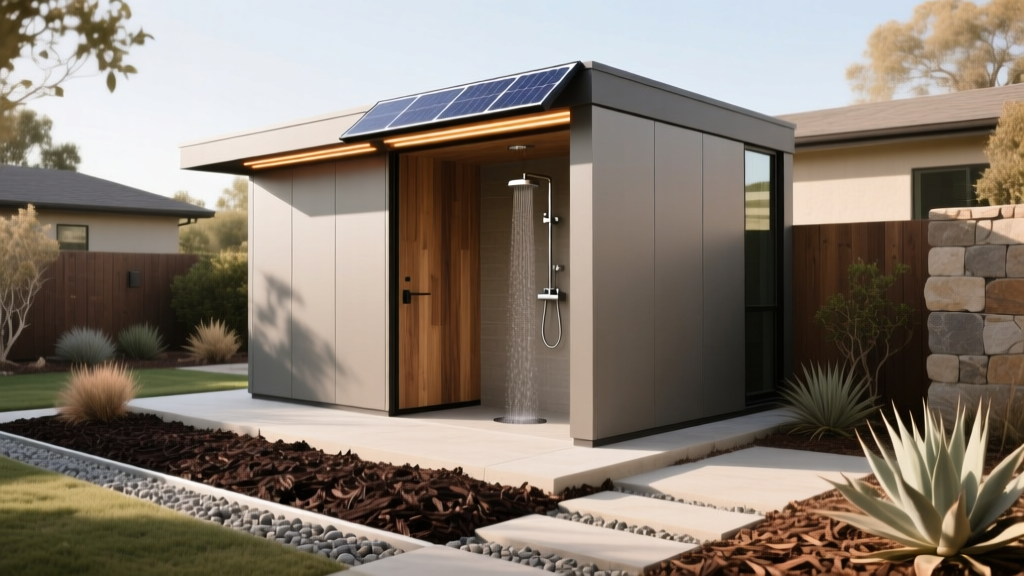
2026 Solar Shower Enclosure: Best Mulch & Drainage Methods
Sarah ChenPublished
The Rise of the Solar-Heated Outdoor Shower in 2026
As we navigate the outdoor living trends of 2026, the boundary between indoor luxury and backyard landscaping continues to dissolve. One of the most sought-after upgrades this year is the outdoor shower installation with a solar-heated enclosure. These modern, eco-friendly units harness the sun's energy to provide on-demand hot water, eliminating the need for complex electrical or gas plumbing. However, while homeowners often focus on the sleek aesthetics of the solar shower panels and the cedar or composite slats of the enclosure, the foundation of a successful outdoor shower lies in what is directly beneath and around it. Proper mulching methods and drainage materials are the unsung heroes of outdoor shower longevity, privacy, and ecological integration.
Integrating an outdoor shower into your garden requires a strategic approach to moisture management. Unlike a standard garden bed, the ground surrounding a shower enclosure is subjected to daily deluges of water, biodegradable soaps, and fluctuating temperatures. Choosing the right mulch and base materials ensures that your shower area remains free of mold, structural rot, and standing water, while simultaneously supporting the lush privacy screens that make outdoor bathing so appealing.
The Microclimate Challenge: Why Standard Mulch Fails
An outdoor shower enclosure creates a unique, high-humidity microclimate. Standard landscaping practices simply do not apply here. If you were to surround your shower floor or enclosure base with typical dyed hardwood mulch or shredded pine bark, you would quickly encounter severe issues. Constant moisture accelerates the decomposition of organic mulches, leading to a soggy, anaerobic environment that breeds fungal pathogens and artillery fungus (Sphaerobolus stellatus), which can shoot tar-like spores onto your pristine solar panels and enclosure walls.
Furthermore, decaying wood mulch attracts termites and carpenter ants, which can compromise the structural integrity of wooden enclosure frames. In 2026, landscape architects strongly advise against using fine, organic wood chips directly on the shower floor or within the immediate splash zone. Instead, a hybrid approach utilizing inorganic drainage aggregates for the wet zones and specialized organic mulches for the surrounding privacy plantings is the industry standard.
Selecting the Right Base Materials for the Shower Floor
The floor of your outdoor shower must drain rapidly to prevent slipping and stagnant water. While some homeowners opt for slatted wood decks, a mulched and aggregated base is far more cost-effective, permeable, and natural-looking. The goal is to create a deep, porous basin that allows water to percolate into the soil without displacing the surface material.
- 3/4-Inch River Rock: This is the gold standard for shower floors in 2026. The smooth, rounded edges are comfortable on bare feet, and the large size prevents the stones from washing away or shifting under the force of the showerhead. River rock does not decompose, harbor mold, or alter the soil pH.
- Pea Gravel: While cheaper and easier to spread, pea gravel can shift and feels less stable underfoot. It is best used as a secondary drainage layer beneath the river rock or in French drains surrounding the enclosure.
- Large Cedar Rounds or Coarse Cedar Bark: If you prefer an organic look, massive cedar rounds (4 to 6 inches in diameter) or very coarse cedar bark nuggets can be used. Cedar contains natural oils (thujone) that resist rot and repel insects. However, these will eventually need to be replaced every few years.
2026 Drainage and Mulch Comparison Chart
| Material | Type | Drainage Rate | Rot Resistance | Best Application |
|---|---|---|---|---|
| 3/4" River Rock | Inorganic | Excellent | Immune | Primary shower floor base |
| Pea Gravel | Inorganic | Very Good | Immune | Sub-base drainage trenches |
| Coarse Cedar Nuggets | Organic | Moderate | High | Transitional zones outside splash area |
| Arborist Wood Chips | Organic | Good | Moderate | Greywater mulch basins |
| Recycled Rubber Mulch | Synthetic | Excellent | Immune | High-traffic entry steps |
Mulching Privacy Screens and Living Walls
Privacy is paramount for any outdoor shower. In 2026, the trend has shifted away from synthetic privacy screens toward living walls and dense botanical borders. Plants like Clumping Bamboo (Fargesia), Arborvitae, and tall ornamental grasses (such as Miscanthus) are frequently planted directly adjacent to the shower enclosure to create a natural, lush barrier. These plants require a completely different mulching strategy than the shower floor.
According to horticultural experts at Penn State Extension, proper mulching of landscape plants is critical for moisture retention and root insulation, but over-mulching can lead to stem rot and root suffocation. For the privacy plants surrounding your solar shower, apply a 2 to 3-inch layer of high-quality, composted hardwood mulch or shredded leaves. Crucially, maintain a 3-inch "donut" of clear space around the base of the plant stems or bamboo culms. This prevents the constant moisture from the shower and the mulch from rotting the plant's crown.
Because the shower area is frequently watered, the privacy plants will receive ample hydration. The organic mulch here serves primarily to suppress weeds, regulate soil temperature, and slowly feed the soil microbiome as it breaks down. Avoid using landscape fabric beneath the organic mulch in these planted borders, as it inhibits the natural exchange of gases and water in the soil profile.
Greywater Management and Mulch Basins
Sustainability is a core driver of outdoor living design in 2026. Modern solar-heated showers are frequently paired with greywater diversion systems. Instead of letting soapy water pool or run off into storm drains, the shower floor is pitched slightly toward a designated "mulch basin."
A mulch basin is a shallow trench or depression filled with coarse arborist wood chips. As the greywater flows through the wood chips, the organic matter acts as a biological filter, breaking down biodegradable soaps and shampoos before the water percolates safely into the surrounding soil. The Environmental Protection Agency (EPA) emphasizes the importance of managing outdoor water use and preventing runoff contamination; utilizing a mulch basin is an excellent, eco-friendly way to comply with local greywater guidelines while nourishing nearby deep-rooted trees and shrubs. To maintain a greywater mulch basin, you must rake the wood chips monthly to prevent anaerobic compaction and top off the basin with fresh chips annually as the old ones decompose.
Protecting Solar Plumbing Lines with Trench Mulching
Installing a solar-heated enclosure requires running PEX or copper plumbing lines from the solar collector (often mounted on a nearby roof or ground rack) to the shower mixing valve. These lines must be trenched underground to protect them from UV degradation and physical damage. How you backfill and mulch over these trenches is vital for the system's thermal efficiency.
The U.S. Department of Energy notes that heat loss in solar water heating pipes can significantly reduce system efficiency, especially in cooler months. When trenching for your outdoor shower, lay the pipes, cover them with a layer of insulating sand, and then backfill with native soil. Finally, cap the trench with a thick layer of insulating organic mulch, such as straw or pine needles, before topping it with your aesthetic river rock or cedar bark. This mulch layer acts as a thermal blanket, preventing the ground from freezing deeply in winter and keeping the water in the lines closer to ambient ground temperature, reducing the workload on your solar heating system.
Geotextile Fabric: The Unsung Hero of the Shower Base
No discussion of shower mulching is complete without addressing the barrier between the soil and the aggregate. Never place river rock or gravel directly on bare dirt; over time, the stones will sink into the mud, and weeds will push through. However, you must also avoid using solid plastic sheeting, which traps water and creates a stagnant, mosquito-breeding puddle beneath your shower.
The correct material is a heavy-duty, woven geotextile landscape fabric. This fabric allows water to drain freely into the soil while providing the tensile strength needed to support the weight of the river rock and the people standing on it. In 2026, eco-conscious homeowners are opting for biodegradable geotextiles made from woven jute or coir for the outer planted zones, while reserving synthetic, UV-stabilized woven polypropylene fabrics strictly for the high-traffic, heavily aggregated shower floor.
Seasonal Maintenance for Your Shower Landscape
Even the most meticulously planned outdoor shower landscape requires seasonal maintenance to remain functional and beautiful. In the spring, rake the river rock on the shower floor to dislodge trapped leaves, hair, and organic debris that can impede drainage. Use a leaf blower on a low setting or a stiff-bristled broom. Inspect the privacy screen mulch for signs of fungal growth; if you spot white mycelium mats or sour-smelling anaerobic sludge, turn the mulch with a pitchfork to introduce oxygen and add a fresh 1-inch layer of composted bark on top.
By treating your outdoor shower not just as a plumbing fixture, but as an integrated landscape project, you ensure that your solar-heated enclosure remains a pristine, private, and sustainable oasis for years to come. The right mulching methods bridge the gap between hardscape functionality and garden ecology, proving that the foundation of great outdoor living is literally grounded in the soil.
