
Landscaping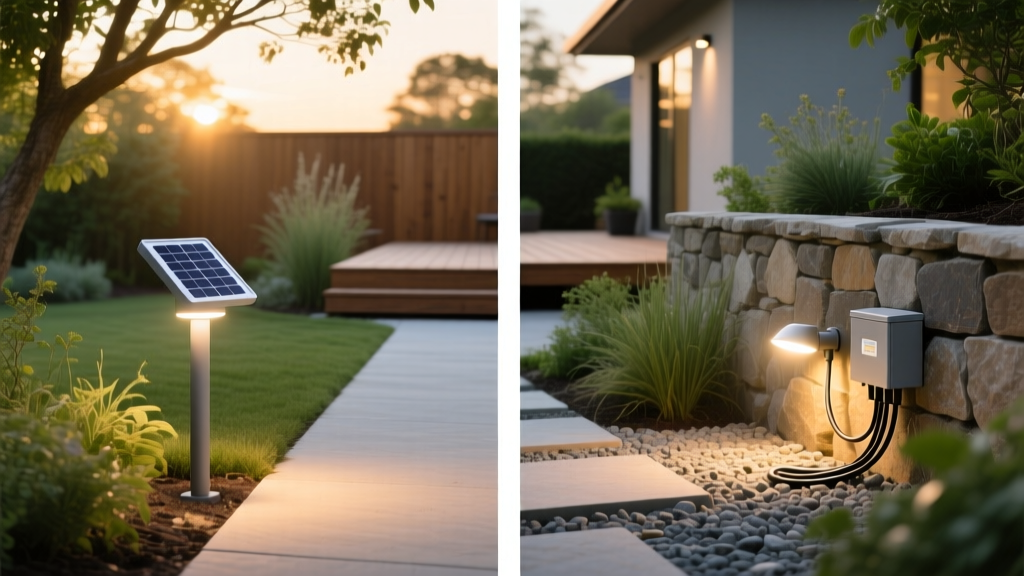
Solar vs Low-Voltage LED Landscape Lighting Review
Lisa ThompsonPublished
Introduction to Landscape Lighting
Landscape lighting transforms a dark, uninviting yard into a secure, visually stunning outdoor living space. Whether you are illuminating a newly installed paver patio, highlighting the texture of a mature oak tree, or guiding guests safely along a winding garden bed, the right lighting is an essential component of modern landscape design. But when it comes to choosing between modern smart solar pathway lights and traditional low-voltage LED kits, homeowners and DIY landscapers often find themselves stuck. The market is flooded with options, and the wrong choice can lead to dim pathways, frustrating maintenance, or unnecessarily high electricity bills.
In this comprehensive product review and comparison, we test the top contenders on the market to help you decide which system deserves a permanent spot in your hardscape and garden beds. We will break down lumens, installation realities, long-term costs, and how each system integrates with different landscaping materials.
The Core Debate: Solar vs. Low-Voltage Wiring
Solar technology has advanced exponentially over the last decade. Gone are the days of dim, bluish LEDs that died by 9 PM and relied on toxic, short-lived NiCd batteries. Today’s premium solar lights utilize high-efficiency monocrystalline panels and long-lasting lithium-iron-phosphate (LiFePO4) batteries. However, low-voltage LED systems remain the gold standard for professional landscape architects due to their unwavering reliability, superior lumen output, and ability to operate flawlessly in heavily shaded environments.
According to the U.S. Department of Energy, transitioning to energy-efficient outdoor lighting not only reduces your carbon footprint but also significantly cuts down on long-term utility and maintenance costs. Furthermore, selecting ENERGY STAR certified LED fixtures ensures that your landscape lighting meets strict efficiency and performance guidelines, guaranteeing both longevity and optimal light distribution.
Top Product Reviews: The Contenders
1. Ring Solar Pathlight (Best Smart Solar)
The Ring Solar Pathlight represents the cutting edge of smart solar landscaping. Priced around $34.99 per unit, it requires a Ring Bridge (sold separately for about $50) to unlock its full suite of smart features. Outputting a respectable 120 lumens at a warm 3000K color temperature, it provides ample illumination for pathway edges without causing harsh glare. The IP66 weather resistance rating means it can withstand heavy rain, snow, and dust ingress. The primary drawback is its reliance on direct sunlight; if your garden bed is heavily shaded by a dense tree canopy or a tall privacy fence, the integrated 2.5W solar panel will struggle to maintain a full charge through the night.
2. Malibu 200W Low-Voltage LED Kit (Best Hardwired)
For traditionalists and those with shaded yards, the Malibu 200W Low-Voltage LED Landscape Lighting Kit (typically $160 to $190) is an absolute powerhouse. This comprehensive kit includes a 200-watt transformer, 100 feet of 16-gauge cable, and eight cast-aluminum path lights. Each fixture outputs roughly 200 lumens at a cozy, incandescent-matching 2700K. Because it draws power from your home’s electrical grid via a step-down transformer, the brightness remains 100% consistent from dusk to dawn, regardless of seasonal weather changes. The cast-aluminum construction also vastly outlasts plastic alternatives, developing a natural, earthy patina over time that blends beautifully with organic mulch and natural stone hardscapes.
3. Hampton Bay Smart Solar Path Lights (Best Budget)
If you are on a strict budget but still want app-controlled convenience, the Hampton Bay Smart Solar LED Path Lights (approximately $80 for a 4-pack) offer a compelling middle ground. These lights connect via Bluetooth and a proprietary hub, allowing you to change color temperatures, adjust brightness, and set custom schedules directly from your smartphone. However, the build quality relies heavily on ABS plastic, and the maximum output peaks at just 60 lumens. They are best suited for small, decorative garden borders or marking the edges of a raised planter box, rather than providing primary security or pathway navigation.
Head-to-Head Comparison Chart
| Feature | Ring Solar Pathlight | Malibu 200W Low-Voltage | Hampton Bay Smart Solar |
|---|---|---|---|
| Power Source | Solar (LiFePO4 Battery) | 120V to 12V Transformer | Solar (NiMH Battery) |
| Lumen Output | 120 Lumens | 200 Lumens per fixture | 60 Lumens |
| Color Temp | 3000K (Warm White) | 2700K (Warm White) | Adjustable RGBW |
| Smart Features | Wi-Fi (via Bridge), Motion | Photocell / Mechanical Timer | Bluetooth App Control |
| Build Material | ABS Plastic / Glass Lens | Cast Aluminum / Glass Lens | ABS Plastic |
| Est. Cost (8 lights) | $280 + $50 Bridge | $180 (Kit includes 8) | $160 (Two 4-packs) |
Installation Realities: Trenching vs. Staking
The most significant difference between these systems lies in the installation process. Solar lights are the undisputed champions of ease. You simply unbox them, stake them into the soil, and let them charge. However, for optimal performance, you must ensure they receive 6 to 8 hours of direct, unfiltered sunlight daily. This means avoiding placement under the drip line of dense evergreens or the shadow of your home's eaves.
Low-voltage systems require physical labor. You will need to dig a shallow trench (about 4 to 6 inches deep) to bury the 16-gauge main wire, protecting it from aeration, lawn mowers, and foraging wildlife. You will also need to strip wires and use waterproof, silicone-filled wire nuts to connect the fixtures to the main line, preventing corrosion from soil moisture. While a 100-foot run of low-voltage lighting might take a weekend warrior 4 to 6 hours to install properly, the result is a permanent, commercial-grade infrastructure that increases your property value.
Hardscaping Integration: Pavers, Gravel, and Retaining Walls
When integrating lighting into hardscapes, the physical design of the fixture matters immensely. The Malibu cast-aluminum fixtures feature a rugged ground stake that can easily be driven into gravel pathways or the soil joints between permeable pavers. If you need to mount lights directly onto a concrete retaining wall or a wooden deck, low-voltage systems offer specialized surface-mount brackets that allow you to secure the fixtures with masonry or wood screws.
Solar lights, conversely, are often limited by their integrated ground stakes. While you can remove the stakes on some models (like the Ring Pathlight) and use aftermarket mounting brackets to attach them to cedar planter boxes or stone walls, the solar panel must still face the sky. Drilling into expensive natural stone or stamped concrete to accommodate a solar light's specific footprint is rarely recommended, making low-voltage systems vastly superior for complex hardscape designs.
Long-Term Cost & Maintenance Breakdown
Upfront costs heavily favor solar lighting if you only need a few fixtures. However, as you scale up to illuminate a large suburban property, the economics shift. An 8-light solar setup from Ring will cost over $330 once you include the necessary smart bridge. The Malibu 8-light kit costs roughly $180. While the low-voltage kit will add a negligible amount to your monthly electricity bill (LEDs are incredibly efficient, drawing less than 15 watts total for the entire 8-light run), you must factor in the cost of the trenching tools and wire connectors.
Maintenance is another critical factor. Solar batteries, even high-quality LiFePO4 cells, will eventually degrade and require replacement every 3 to 5 years. Furthermore, solar panels must be wiped clean of pollen, dust, and snow regularly to maintain charging efficiency. Low-voltage LEDs are virtually maintenance-free; the integrated LED diodes are rated for 30,000 to 50,000 hours of use, meaning you likely will never need to replace a bulb or a transformer during your time in the home.
Light Pollution and Dark Sky Compliance
Responsible landscaping involves respecting the local ecosystem and minimizing light pollution. The International Dark-Sky Association (IDA) recommends using fixtures that shield the light source, directing illumination downward rather than outward or upward. Both the Ring and Malibu fixtures reviewed here feature excellent optical shielding that prevents harsh glare from shining into your neighbor's windows or disrupting local nocturnal wildlife. When planning your layout, always aim for the lowest lumen output necessary to safely navigate the path, preserving the natural ambiance of your outdoor living space.
Final Verdict: Which Should You Choose?
If your landscape features heavy shade, complex hardscaping, or you demand a maintenance-free, professional-grade aesthetic, the Malibu 200W Low-Voltage LED Kit is the clear winner. The upfront labor of trenching is easily offset by the decades of reliable, brilliant illumination it provides.
However, if you are renting, have a highly sunny property, or want the flexibility to move your lights around your garden beds as your plants grow and change, the Ring Solar Pathlight offers unmatched convenience and smart-home integration. Ultimately, understanding your yard's unique sun exposure and hardscape layout will guide you to the perfect lighting solution for your home's curb appeal.

