
Landscaping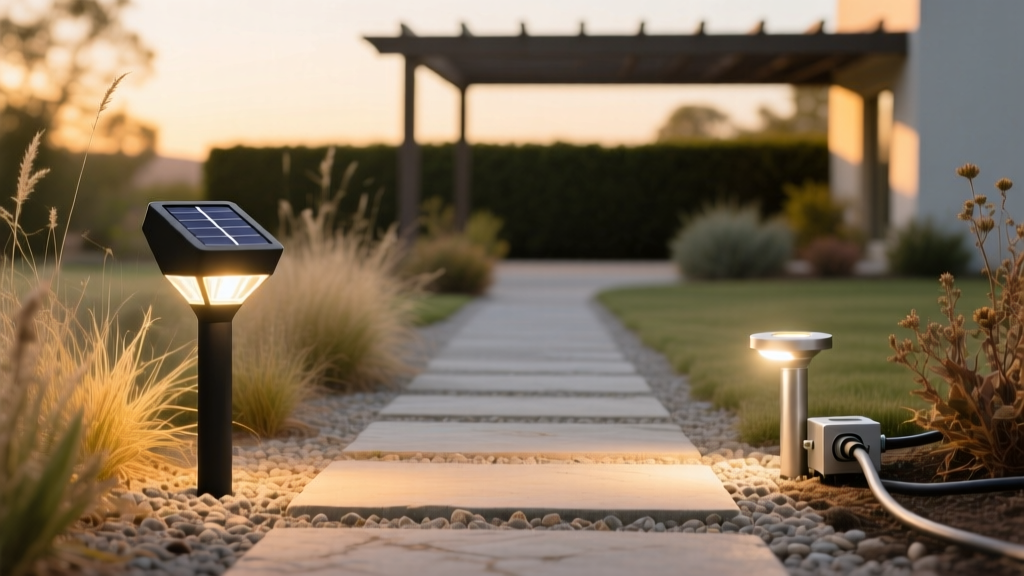
Solar vs. Low-Voltage LED Landscape Lighting Compared
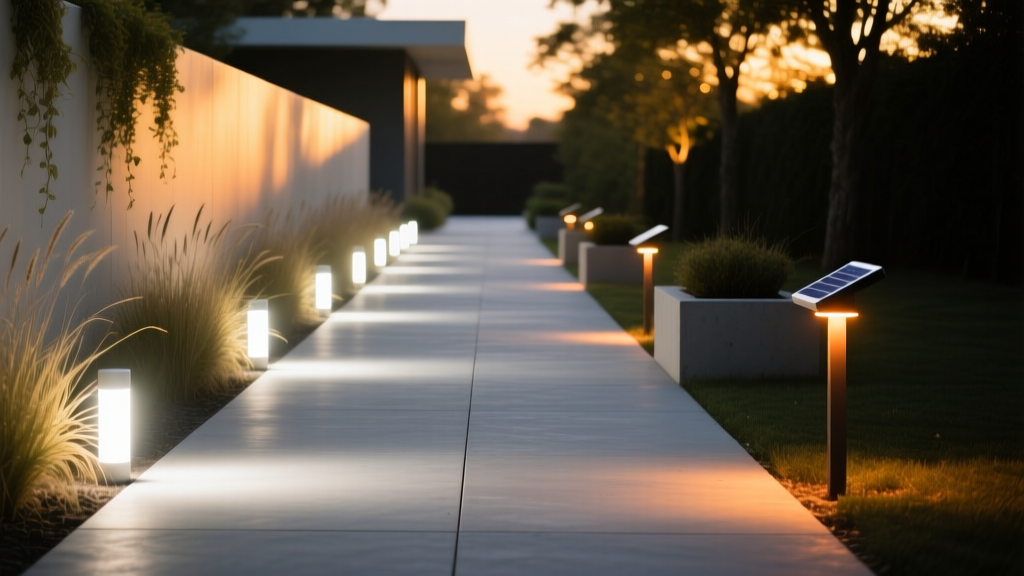
Low voltage landscape lighting offers superior brightness, reliability, and lifespan for primary yard illumination, while solar lighting is best for budget-friendly, temporary, or off-grid accent lighting. For most homeowners seeking consistent security and aesthetic path lighting, a 12-volt low voltage Light Emitting Diode (LED) system outperforms solar alternatives. This guide is designed for homeowners and DIY landscapers evaluating outdoor illumination upgrades for security, aesthetics, and property value.
Low Voltage Landscape Lighting is an outdoor illumination system that uses a transformer to step down standard 120-volt household current to a safer 12-volt output, powering hardwired Light Emitting Diode (LED) fixtures through buried cables.
Solar Landscape Lighting consists of standalone, wireless fixtures equipped with photovoltaic panels, rechargeable batteries, and Light Emitting Diode (LED) bulbs that harvest sunlight during the day to illuminate areas at night.
Key Takeaways
- Brightness: 12-volt low voltage fixtures produce 150-300 lumens; solar fixtures average 10-50 lumens.
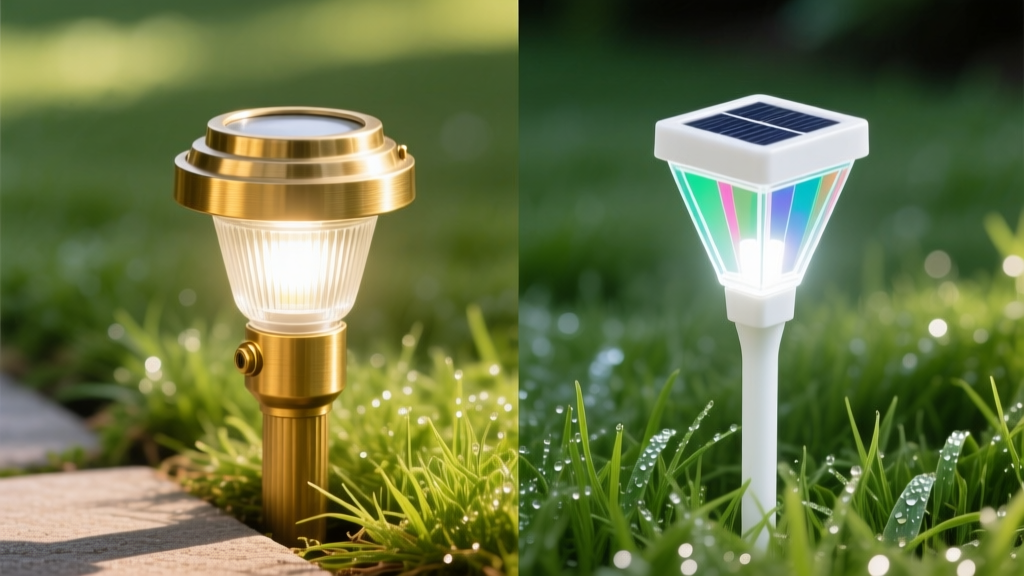
- Lifespan: Hardwired brass LED fixtures last 20+ years; solar plastic fixtures degrade in 3-5 years.
- Installation: Low voltage requires trenching and a transformer; solar requires zero wiring but strict sun exposure.
Core Differences: Low Voltage Landscape Lighting vs Solar
Brightness and Lumens Output
A standard 12-volt low voltage LED path light typically produces between 150 and 300 lumens, providing consistent, wide-beam coverage. In contrast, most consumer-grade solar stake lights average only 10 to 50 lumens, creating narrow, dim pools of light. According to the Department of Energy Lighting Facts program, hardwired LEDs maintain 90% of their initial lumen output over 50,000 hours of use. Solar fixtures degrade faster because their integrated Lithium Iron Phosphate (LiFePO4) or Nickel-Metal Hydride (NiMH) batteries lose capacity after 2 to 3 years.
Installation and Wiring Requirements
Installing a low voltage system requires burying 10-gauge or 12-gauge direct-burial wire and connecting it to a weatherproof transformer plugged into a Ground Fault Circuit Interrupter (GFCI) outlet. This process takes an average of 8 to 12 hours for a standard 10-fixture residential setup. Solar lighting requires zero wiring; users simply push the stakes into soil that receives at least 6 hours of direct, unshaded sunlight daily. However, solar placement is strictly limited by sun exposure, whereas low voltage wires can be routed up to 100 feet from the power source.
Cost Analysis: Upfront vs. Long-Term Expenses
Initial Investment Breakdown
A professional-grade 10-fixture low voltage LED kit, including a 300-watt smart transformer and wiring, costs between $400 and $800. Professional installation adds $150 to $250 per fixture, bringing a full-yard project to roughly $2,000 to $4,000. Conversely, a 10-pack of reputable solar path lights costs $50 to $150, requiring no professional labor. While solar wins on day-one costs, the Consumer Reports Outdoor Lighting Guide notes that cheap solar fixtures often require total replacement every two seasons.
Maintenance and Lifespan
Low voltage LED fixtures constructed from brass or copper can last 20 to 25 years with minimal maintenance, requiring only occasional lens cleaning and modular bulb replacement. Solar fixtures typically feature plastic or thin aluminum housings that degrade under ultraviolet (UV) exposure within 3 to 5 years. Furthermore, replacing depleted solar batteries costs $5 to $15 per unit, negating the initial savings over a decade of ownership.
Decision Framework: Which System Fits Your Yard?
| Feature | 12-Volt Low Voltage LED | Solar LED Lighting |
|---|---|---|
| Primary Use Case | Security, primary pathways, architectural highlighting | Temporary accents, garden borders, off-grid spots |
| Brightness | High (150 - 300+ lumens) | Low (10 - 50 lumens) |
| Reliability | 100% consistent (hardwired power) | Variable (depends on daily sun exposure) |
| Winter Performance | Unaffected by weather or short days | Poor (shorter days and snow block panels) |
| Smart Home Integration | High (Wi-Fi transformers, astronomical timers) | Low (basic dusk-to-dawn sensors) |
Frequently Asked Questions
Are solar lights bright enough for security?
No, solar lights are generally not bright enough for security purposes. Most security lighting requires a minimum of 700 to 1,300 lumens to properly illuminate driveways and deter intruders, a threshold that only hardwired low voltage or line voltage fixtures can reliably achieve.
Can you mix solar and low voltage landscape lighting?
Yes, you can mix both systems in the same yard. Many landscapers use 12-volt low voltage lighting for primary walkways and security zones, while deploying solar lights in distant, sunny garden beds where running underground wire would be too costly or disruptive.
Do low voltage lights increase home value?
Yes, professionally installed low voltage landscape lighting increases curb appeal and perceived property value. Real estate appraisers frequently note that permanent, hardwired outdoor lighting systems yield a 5% to 15% return on investment by enhancing nighttime architectural aesthetics and security.
Conclusion and Next Steps
Low voltage landscape lighting is the definitive choice for permanent, bright, and reliable yard illumination, whereas solar lighting remains a niche solution for temporary or heavily shaded accent spots. To move forward, map out your yard's primary pathways and calculate the total wire run needed to select the correct transformer wattage for a 12-volt system.

